/ Feeds, compound feeds, supplements / Different feeds, compound feeds, supplements + in assortment / I will sell corn gluten from the manufacturer

I will sell / buy
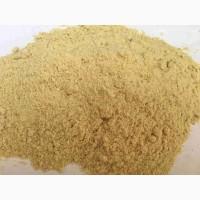
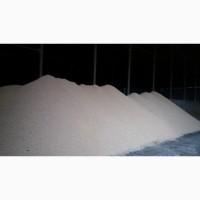
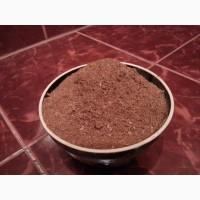
I will sell corn gluten from the manufacturer, Kyiv
Region:all Ukraine,
Kyiv
(Ul. Vasylkovskaya 15/14)
Corn gluten is a natural, high-protein, containing a large amount of essential amino acidsadditive for rapid growth of pigs, bulls, broilers, laying hens, fish. Which contains up to 72% protein.
Gluten is an almost pure protein obtained during the processing of corn grain.
The high-calorie supplement contains a sufficient amount of methionine and cystine - important and irreplaceable amino acids, as well as linoleic acid.
Such a unique composition has a beneficial effect on the productivity of all agricultural animals. Therefore, the product from corn grains is included in the fodder ration of almost all agricultural animals and poultry, supplementing it with the necessary substances and making it completely balanced.
Composition:
protein up to 72%, fat up to 7%, amino acids (methionine, cystine, leucine, phenylalanine, alanine, proline), vitamins: E, B1, B2, B3, B4, B5, B6), macroelements (calcium, phosphorus, sodium), trace elements, exchangeable energy concentration 4600-4800 kCal/kg of dry matter.
Advantages of using corn gluten in the diet of animals:
1. In terms of energy, 1 kg of corn gluten is equivalent to 7 kg of corn;
2. Gluten contains 37% more exchangeable energy and 28% more protein thansoybean meal;
3. 1 kg. of corn gluten is equal to 1 kg. high-protein fish meal with protein 64-68%;(//tractor-service.com)
4. Corn gluten is absorbed by 90%, and soybean meal by 69%;
5. Ensures high and sustainable productivity of animals and poultry;
6. Reduces the cost offeed, while increasing the growth of the animal due to protein components;
7. Contains a large number of essential amino acids and significantly increases the content of carotenoids in products;
8. Increases milk yield and fat content in cows.
The rate of introduction of corn gluten:
- Laying hens 4-6%
- Broilers 7-10%
- Young birds 3-5%
- Pigs 9-15%
- Fish 5-7%.
Gluten is an almost pure protein obtained during the processing of corn grain.
The high-calorie supplement contains a sufficient amount of methionine and cystine - important and irreplaceable amino acids, as well as linoleic acid.
Such a unique composition has a beneficial effect on the productivity of all agricultural animals. Therefore, the product from corn grains is included in the fodder ration of almost all agricultural animals and poultry, supplementing it with the necessary substances and making it completely balanced.
Composition:
protein up to 72%, fat up to 7%, amino acids (methionine, cystine, leucine, phenylalanine, alanine, proline), vitamins: E, B1, B2, B3, B4, B5, B6), macroelements (calcium, phosphorus, sodium), trace elements, exchangeable energy concentration 4600-4800 kCal/kg of dry matter.
Advantages of using corn gluten in the diet of animals:
1. In terms of energy, 1 kg of corn gluten is equivalent to 7 kg of corn;
2. Gluten contains 37% more exchangeable energy and 28% more protein thansoybean meal;
3. 1 kg. of corn gluten is equal to 1 kg. high-protein fish meal with protein 64-68%;(//tractor-service.com)
4. Corn gluten is absorbed by 90%, and soybean meal by 69%;
5. Ensures high and sustainable productivity of animals and poultry;
6. Reduces the cost offeed, while increasing the growth of the animal due to protein components;
7. Contains a large number of essential amino acids and significantly increases the content of carotenoids in products;
8. Increases milk yield and fat content in cows.
The rate of introduction of corn gluten:
- Laying hens 4-6%
- Broilers 7-10%
- Young birds 3-5%
- Pigs 9-15%
- Fish 5-7%.
Ad ID: #900220
(added by a registered user)
Permanent Ad Address:
Impressions / views for today: ?, total: ?
Similar ads


Total940 similar adsin the category "Feeds, compound feed, additives"
All Ukraine: Feed, compound feed, additives 940 / Different feed, compound feed, additives + in assortment 245