/ Seeds, seedlings and sowing materials / Seeds of vegetables, greens, spices / Onion seeds / Seeds of winter onions by Ellan and Zimovei ot avtorov...

For sale / buy
Seeds of winter onions Ellan and Zimovey from authors and producers., AR Crimea
Region:
AR Crimea
KFH Tugolukov realizes
High-quality originalseeds winter onions, from the authors and producers
Winter onions of the Ellan variety
* Early ripening variety of winter onion
* Yield 30-40 t/ha
* Dry matter content -10%
* The average weight of the bulb is 90-110 gr.
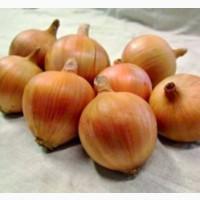
* Round and round-flat yellow bulbs
* Quickly forms bulbs
* It is distinguished by its high resistance to freezing.
* To be implemented in a fresh form from the end of May.
* Resistant to root rot.
Sowing seeds - end of August, beginning of September
Harvesting – End of May, beginning of June
In 1996, the first ultra-early winter onion variety Ellan - Ellan - was created at the department of horticulture of KGAU.
Its distinctive feature is the formation of bulbs on a short bottom, which contributes to obtaining an early harvest at the end of May - the beginning of June. It is possible to grow the variety by sowing seeds in the soil - winter culture and planting seedlings - winter culture, as well as in spring culture.(//tractor-service.com)
Onions of the Ellan variety have been regionalized in the Krasnodar region for more than 15 years, won the recognition of fruit growers, spread widely and are very popular in the region and beyond. Currently, it is grown in winter culture in the Krasnodar, Stavropol and Primorsky Krai, the republics of the North Caucasus, Rostov Region and Ukraine. In a number of regions of the European territory and Southern Siberia, ego is grown in spring culture through sevok.
Winter onions of the Zimovey variety
• Early ripening variety of winter onion
• Yield 35-45 t/ha
• Dry matter content -10%
• The average weight of the bulb is 90-120 g.
• Bulbs are round, dark yellow.
• Quickly forms bulbs
• Resistant to shooting
•
The cultivation of winter onion varieties in the south of our country makes it possible to supply industrial centers of Russia with them, eliminating the import of early onions from abroad, and has the following advantages:
• High rate of growth of above-ground and root systems of plants in the spring period;
• Formation of the crop due to autumn-winter moisture reserves (a minimum amount of irrigation is required).
• Less damage to plants by fungal diseases (downy mildew, root rot) and pests (thrips, onion fly);
• Intensive land use;
• Reduction of tension in carrying out spring field and harvesting works;
• Obtaining super early production of onions and turnips.
• Due to the above-mentioned factors, the cost of production is much lower than when growing onions in the spring crop.
High-quality originalseeds winter onions, from the authors and producers
Winter onions of the Ellan variety
* Early ripening variety of winter onion
* Yield 30-40 t/ha
* Dry matter content -10%
* The average weight of the bulb is 90-110 gr.
* Round and round-flat yellow bulbs
* Quickly forms bulbs
* It is distinguished by its high resistance to freezing.
* To be implemented in a fresh form from the end of May.
* Resistant to root rot.
Sowing seeds - end of August, beginning of September
Harvesting – End of May, beginning of June
In 1996, the first ultra-early winter onion variety Ellan - Ellan - was created at the department of horticulture of KGAU.
Its distinctive feature is the formation of bulbs on a short bottom, which contributes to obtaining an early harvest at the end of May - the beginning of June. It is possible to grow the variety by sowing seeds in the soil - winter culture and planting seedlings - winter culture, as well as in spring culture.(//tractor-service.com)
Onions of the Ellan variety have been regionalized in the Krasnodar region for more than 15 years, won the recognition of fruit growers, spread widely and are very popular in the region and beyond. Currently, it is grown in winter culture in the Krasnodar, Stavropol and Primorsky Krai, the republics of the North Caucasus, Rostov Region and Ukraine. In a number of regions of the European territory and Southern Siberia, ego is grown in spring culture through sevok.
Winter onions of the Zimovey variety
• Early ripening variety of winter onion
• Yield 35-45 t/ha
• Dry matter content -10%
• The average weight of the bulb is 90-120 g.
• Bulbs are round, dark yellow.
• Quickly forms bulbs
• Resistant to shooting
•
The cultivation of winter onion varieties in the south of our country makes it possible to supply industrial centers of Russia with them, eliminating the import of early onions from abroad, and has the following advantages:
• High rate of growth of above-ground and root systems of plants in the spring period;
• Formation of the crop due to autumn-winter moisture reserves (a minimum amount of irrigation is required).
• Less damage to plants by fungal diseases (downy mildew, root rot) and pests (thrips, onion fly);
• Intensive land use;
• Reduction of tension in carrying out spring field and harvesting works;
• Obtaining super early production of onions and turnips.
• Due to the above-mentioned factors, the cost of production is much lower than when growing onions in the spring crop.
Ad ID: #277579
(added by unregistered by the user)
Permanent Ad Address:
Impressions / views for today: ?, total: ?
Similar recent ads
There are many interesting ones among them...




Total27 similar fresh adsin the heading "Onion seeds"
All Ukraine: Seeds, seedlings and seedlings materials 1259 / Seeds of vegetables, herbs, spices 305 / Seeds onions 27
AR Crimea: Seeds, seedlings and sowing materials 3 / Seeds of vegetables, greens, spices 0 / Onion seeds 0