For sale / buy
HawkeyePedershaab ROCO concrete pipe transportation system, Kyiv
Region:all Ukraine,
Kyiv
Updated:
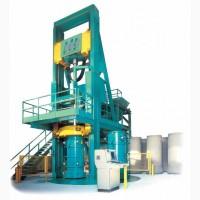
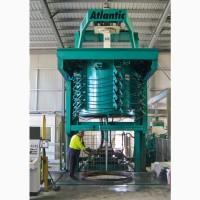
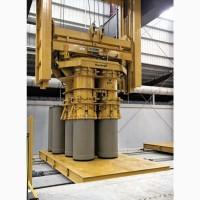
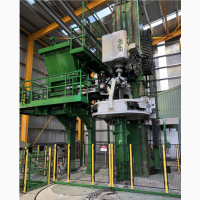
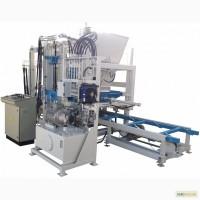
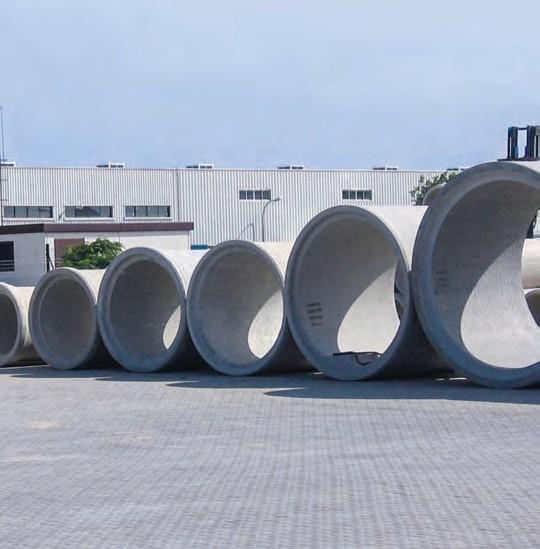
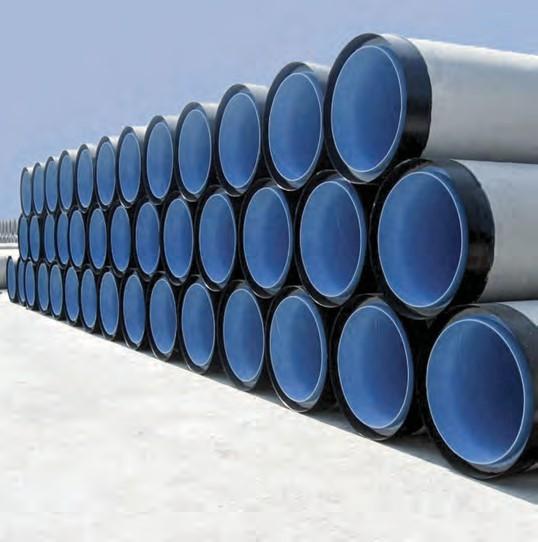
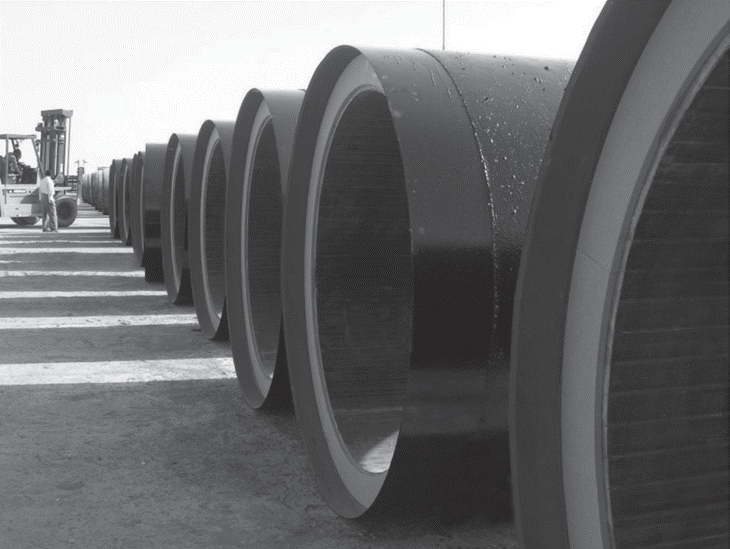
Product transportation systemтранспортування продукції HawkeyePedershaab ROCO concrete pipes.
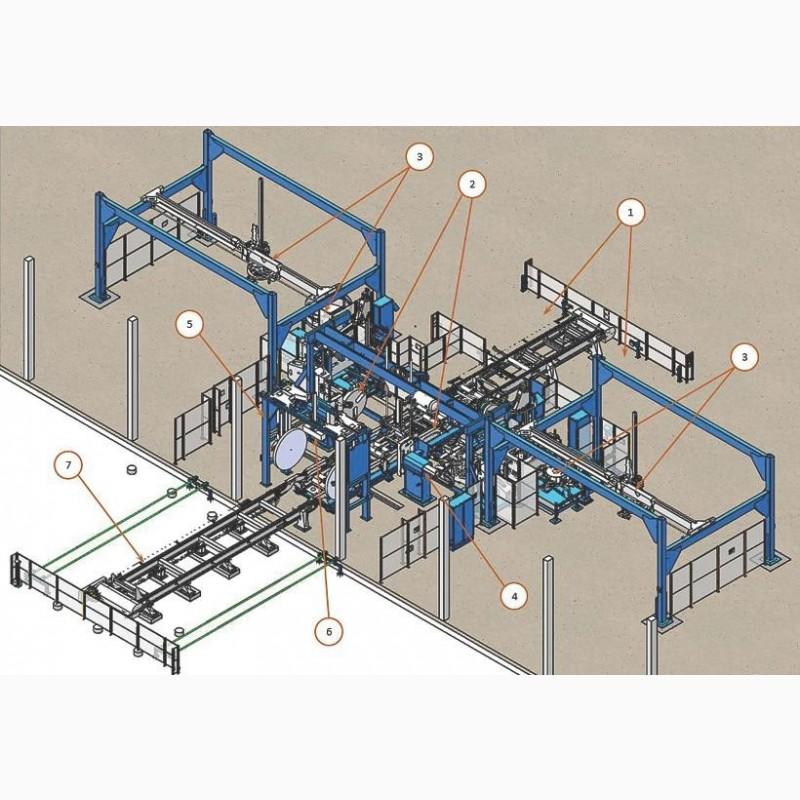
ROCO Handling equipment automates the removal of the pallet and collector from the finished products, stacks the sealing rings and places the products on the conveyor for further processing or transport outdoors. Modules are available for automatic deburring, marking, vacuum testing, O-ring cleaning, storage and retrieval. ROCO Handling equipment is designed for pipe diameters from 12 inches (300 mm) to 48 inches (1200 mm) and can be fully integrated into new pipe mills or added to existing pipe mills as a stand-alone system.
Transportation
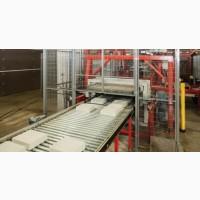
The hardened pipes are transported to a conveyor belt that feeds ROCO. Pipes can be transported automatically using a manipulator or horizontally (individually or in pairs) using a forklift. A feeding conveyor transports pipes to various further processing stations.
Removal of sealing rings
A top clamp secures the pipe, while two manipulators clamp both the tray and the manifold. Joint rings are removed using a combination of drawing and pneumatic machining. Removed joint rings are automatically fed to special cleaners. The pipe is fed to the deburring station.
Cleaning, storage and removal of pallets
Removed pallets are cleaned with a special pallet cleaner. Cleaned pallets are picked up and placed in the storage and retrieval area. Pallets are stored and waiting for automatic or manual retrieval. Pallets can also be stacked on transport skids for manual transport to a pipe rolling mill or external warehouse.
(//tractor-service.com)
Cleaning, storage and removal of collectors
Removed collectors are cleaned with a special collector cleaner. Cleaned collectors are picked up and placed in the storage and removal area. Collectors are stored and waiting for automatic or manual extraction. Collectors can also be stacked on transport skids for manual transport to a pipe rolling machine or an external warehouse.
Burr removal
The flared and smooth ends of the pipe are automatically removed from the burrs. Rotating cones remove burrs from both the inner and outer edges of the pipe. Burrs are automatically adjusted to the diameter of the pipe entering the system.
Vacuum tests
Pipes are subjected to vacuum tests. Two closed-cell plates covered with neoprene material are pressed against the ends of the pipe, creating a vacuum. The vacuum is maintained for a given time and at a given pressure. If the pipe passes vacuum tests, the plates are automatically reset. Otherwise, a sound signal is given. The results of measurements are measured and recorded.
Marking
The pipe cylinder is marked using an inkjet printer. Both internal and external markers are available. Markings may include pipe size and class, date of manufacture, date of vacuum test, and manufacturer's name and logo.
Pipe outlet
The output conveyor transports the finished pipe outside for storage. The system is designed in such a way that it is possible to remove several pipes from the output conveyor and deliver them to the warehouse.
ROCO Handling equipment automates the removal of the pallet and collector from the finished products, stacks the sealing rings and places the products on the conveyor for further processing or transport outdoors. Modules are available for automatic deburring, marking, vacuum testing, O-ring cleaning, storage and retrieval. ROCO Handling equipment is designed for pipe diameters from 12 inches (300 mm) to 48 inches (1200 mm) and can be fully integrated into new pipe mills or added to existing pipe mills as a stand-alone system.
Transportation
The hardened pipes are transported to a conveyor belt that feeds ROCO. Pipes can be transported automatically using a manipulator or horizontally (individually or in pairs) using a forklift. A feeding conveyor transports pipes to various further processing stations.
Removal of sealing rings
A top clamp secures the pipe, while two manipulators clamp both the tray and the manifold. Joint rings are removed using a combination of drawing and pneumatic machining. Removed joint rings are automatically fed to special cleaners. The pipe is fed to the deburring station.
Cleaning, storage and removal of pallets
Removed pallets are cleaned with a special pallet cleaner. Cleaned pallets are picked up and placed in the storage and retrieval area. Pallets are stored and waiting for automatic or manual retrieval. Pallets can also be stacked on transport skids for manual transport to a pipe rolling mill or external warehouse.
(//tractor-service.com)
Cleaning, storage and removal of collectors
Removed collectors are cleaned with a special collector cleaner. Cleaned collectors are picked up and placed in the storage and removal area. Collectors are stored and waiting for automatic or manual extraction. Collectors can also be stacked on transport skids for manual transport to a pipe rolling machine or an external warehouse.
Burr removal
The flared and smooth ends of the pipe are automatically removed from the burrs. Rotating cones remove burrs from both the inner and outer edges of the pipe. Burrs are automatically adjusted to the diameter of the pipe entering the system.
Vacuum tests
Pipes are subjected to vacuum tests. Two closed-cell plates covered with neoprene material are pressed against the ends of the pipe, creating a vacuum. The vacuum is maintained for a given time and at a given pressure. If the pipe passes vacuum tests, the plates are automatically reset. Otherwise, a sound signal is given. The results of measurements are measured and recorded.
Marking
The pipe cylinder is marked using an inkjet printer. Both internal and external markers are available. Markings may include pipe size and class, date of manufacture, date of vacuum test, and manufacturer's name and logo.
Pipe outlet
The output conveyor transports the finished pipe outside for storage. The system is designed in such a way that it is possible to remove several pipes from the output conveyor and deliver them to the warehouse.
|
Store, contacts | |
BudTechnika / feedback, info. / evaluation activities | |
|
Phone:
+38 xxxxxx
show
| |
| Telegram: +38 (096) 67-66-285 | |
| Viber: 380966766285 | |
| Whatsapp: 380966766285 | |
All user ad ~238 | |

Ad ID: #1350228
(added by registered user, registration date: 2016-09-12)
Added / Updated: 2026-09-23 11:11 (current, until: 09-23-2027)
Permanent Ad Address:
Impressions / views for today: ?, total: ?
Similar ads
There are many interesting ones among them...