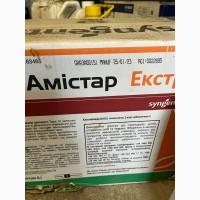
/ Fertilizers and plant protection products / Fungicides / IMPACT SUPER - Combined fungicide for protection...


For sale / buy
IMPACT SUPER - Combined fungicide to protect grain crops from complex diseases, Kyiv region.
Price12$
Region:
Kyivska region.
(Vyshhorodok)
Updated:
IMPACT ® SUPER - Combined fungicide of systemic action to protectcereal crops from a complex of diseases
Active ingredient: 75 g/l flutriafol + 225 g/l tebuconazole
Chemical class: triazole derivatives
Preparative form: suspension concentrate
Manufacturer: Keminova JSC
packaging: Canister 5 l. the price is indicated for 1 liter.
Advantages of IMPACT ® SUPER:
A balanced combination of two active substances ensures a high level of effectiveness.
Fast curative effect, thanks to the high speed of penetration to the place of localization of the infection.
Long-lasting protective effect, thanks to the low rate of detoxification in the protected tissues.
High efficiency against a complex of the most harmful diseases.
Wide technological window in terms of application.
Excellent value for money.
Purpose of IMPACT ® SUPER:
A two-component systemic fungicide with a wide spectrum of action, which has healing and protective (basidiomycetes and ascomycetes), as well as fumigant action (powdery mildew) for the protection of grain crops against rust, septoriosis, powdery mildew and helminthosporosis spots.
Mechanism of action:
IMPACT ® SUPER exhibits a fungicidal effect by inhibiting the biosynthesis of sterols, which leads to the disruption of the function of cell membranes of the pathogen and the death of fungal hyphae. Flutriafol and tebuconazole are systemic fungicides that are quickly absorbed through the leaf surface. The uniqueness of the drug is that, due to the high speed of movement inside the plant, flutriafol has a quick curative (curative) and protective effect on an already existing infection, and tebuconazole extends the protective effect on the plant for up to 30 days or more.
Period of protective action:
Protects cultivated plants from a complex of leaf and stem diseases for 3-4 weeks, depending on the culture, type of pathogen and weather conditions during and after application.
Impact speed:
Like all triazole fungicides, IMPACT ® SUPER has a more pronounced protective than curative effect. Under the influence of the drug, mycelia of powdery mildew and pustules of rust fungi die almost instantly. In the case of an internal infection (septoriasis), the destruction of the pathogen occurs within 10-14 days.
Phytotoxicity:
The drug has no phytotoxic effect on cultivated plants.
The possibility of resistance:
To prevent the possible emergence of resistance, it is recommended to alternate the use of the drug with fungicides that have a different mechanism of action.
Human hazard class: 2 (medium-dangerous drug).
Danger class for bees: 3 (low-dangerous drug).
Recommendations for use:
Begin processing at the first signs of one of the diseases or apply a fungicide prophylactically when favorable conditions for the development of one of the diseases occur.
Spraying should be carried out with the help of mass-produced rodsprayers in the morning or evening hours in windless weather.(//tractor-service.com)
Use a sufficient amount of working fluid to ensure complete wetting of the protected leaf surface.
Regulations for the use of the drug Impact Super, CS:
Rate of application of the drug (l/ha, kg/ha, l/t, kg/t) Culture, processed object Harmful object Method, time of processing, particularities of application Waiting time (frequency of processing) Release times for manual (mechanically operated) work
=0.7-0.9
Wheat spring and winter wheat
Powdery mildew, brown rust, stem rust, yellow rust, septoria, pyrenophorosis, dark brown spotting, black
Spraying during the vegetation period in the phases of the appearance of the flag leaf - the beginning of earing, against black and fusarium head - the end of earing - the beginning of flowering.
Consumption of working fluid - 300 l/ha
30(1-2) 3(3)
=0.9
Spring and winter wheat Fusarium head blight
Spraying during the vegetation period in the phases of the appearance of a flag leaf - the beginning of earing, against black and fusarium head - the end of earing - the beginning of flowering.
Consumption of working fluid - 300 l/ha
30(1-2) 3(3)
=0.7-0.9
Spring and winter barley
Powdery mildew, dwarf rust, reticular spotting, tecmno-brown spotting, rhynchosporiosis
Spraying during the vegetation period in the phases of the appearance of the flag leaf and the emergence of the ear.
Consumption of working fluid - 300 l/ha
30(1-2) 3(3)
=0.25-0.5
Peas
Ascochitosis, powdery mildew, rust
Spraying during the vegetation period with the appearance of single symptoms of one of the diseases, followed by an interval of 14 days.
Consumption of working fluid - 300 l/ha
40(2)-(3)
=0.75-0.9
Fig.
Pyricularia
Spraying during the vegetation period: the first is prophylactic or when the single signs of the disease appear in the phase of the appearance of the flag leaf; the second is the beginning of sweeping panicles.
Consumption of working fluid - 200-400 l/ha
30(2)-(3)
=0.7-0.9
Winter rape
Alternaria, fomosis, white rot
Spraying during the vegetation period in the fall in the phase of 6-8 leaves and in the spring when the first signs of one of the diseases appear in the phase of stretching the stems - the beginning of the formation of pods in the lower tier.
Consumption of working fluid - 200-400 l/ha
40(2)-(3)
=0.7-0.9
Rapeseed spring
Alternaria, fomosis, white rot
Spraying during the vegetation period when the first signs of one of the diseases appear in the phase of stretching the stems - the beginning of the formation of pods in the lower tier.
Consumption of working fluid - 200-400 l/ha
40(1) -(3)
Active ingredient: 75 g/l flutriafol + 225 g/l tebuconazole
Chemical class: triazole derivatives
Preparative form: suspension concentrate
Manufacturer: Keminova JSC
packaging: Canister 5 l. the price is indicated for 1 liter.
Advantages of IMPACT ® SUPER:
A balanced combination of two active substances ensures a high level of effectiveness.
Fast curative effect, thanks to the high speed of penetration to the place of localization of the infection.
Long-lasting protective effect, thanks to the low rate of detoxification in the protected tissues.
High efficiency against a complex of the most harmful diseases.
Wide technological window in terms of application.
Excellent value for money.
Purpose of IMPACT ® SUPER:
A two-component systemic fungicide with a wide spectrum of action, which has healing and protective (basidiomycetes and ascomycetes), as well as fumigant action (powdery mildew) for the protection of grain crops against rust, septoriosis, powdery mildew and helminthosporosis spots.
Mechanism of action:
IMPACT ® SUPER exhibits a fungicidal effect by inhibiting the biosynthesis of sterols, which leads to the disruption of the function of cell membranes of the pathogen and the death of fungal hyphae. Flutriafol and tebuconazole are systemic fungicides that are quickly absorbed through the leaf surface. The uniqueness of the drug is that, due to the high speed of movement inside the plant, flutriafol has a quick curative (curative) and protective effect on an already existing infection, and tebuconazole extends the protective effect on the plant for up to 30 days or more.
Period of protective action:
Protects cultivated plants from a complex of leaf and stem diseases for 3-4 weeks, depending on the culture, type of pathogen and weather conditions during and after application.
Impact speed:
Like all triazole fungicides, IMPACT ® SUPER has a more pronounced protective than curative effect. Under the influence of the drug, mycelia of powdery mildew and pustules of rust fungi die almost instantly. In the case of an internal infection (septoriasis), the destruction of the pathogen occurs within 10-14 days.
Phytotoxicity:
The drug has no phytotoxic effect on cultivated plants.
The possibility of resistance:
To prevent the possible emergence of resistance, it is recommended to alternate the use of the drug with fungicides that have a different mechanism of action.
Human hazard class: 2 (medium-dangerous drug).
Danger class for bees: 3 (low-dangerous drug).
Recommendations for use:
Begin processing at the first signs of one of the diseases or apply a fungicide prophylactically when favorable conditions for the development of one of the diseases occur.
Spraying should be carried out with the help of mass-produced rodsprayers in the morning or evening hours in windless weather.(//tractor-service.com)
Use a sufficient amount of working fluid to ensure complete wetting of the protected leaf surface.
Regulations for the use of the drug Impact Super, CS:
Rate of application of the drug (l/ha, kg/ha, l/t, kg/t) Culture, processed object Harmful object Method, time of processing, particularities of application Waiting time (frequency of processing) Release times for manual (mechanically operated) work
=0.7-0.9
Wheat spring and winter wheat
Powdery mildew, brown rust, stem rust, yellow rust, septoria, pyrenophorosis, dark brown spotting, black
Spraying during the vegetation period in the phases of the appearance of the flag leaf - the beginning of earing, against black and fusarium head - the end of earing - the beginning of flowering.
Consumption of working fluid - 300 l/ha
30(1-2) 3(3)
=0.9
Spring and winter wheat Fusarium head blight
Spraying during the vegetation period in the phases of the appearance of a flag leaf - the beginning of earing, against black and fusarium head - the end of earing - the beginning of flowering.
Consumption of working fluid - 300 l/ha
30(1-2) 3(3)
=0.7-0.9
Spring and winter barley
Powdery mildew, dwarf rust, reticular spotting, tecmno-brown spotting, rhynchosporiosis
Spraying during the vegetation period in the phases of the appearance of the flag leaf and the emergence of the ear.
Consumption of working fluid - 300 l/ha
30(1-2) 3(3)
=0.25-0.5
Peas
Ascochitosis, powdery mildew, rust
Spraying during the vegetation period with the appearance of single symptoms of one of the diseases, followed by an interval of 14 days.
Consumption of working fluid - 300 l/ha
40(2)-(3)
=0.75-0.9
Fig.
Pyricularia
Spraying during the vegetation period: the first is prophylactic or when the single signs of the disease appear in the phase of the appearance of the flag leaf; the second is the beginning of sweeping panicles.
Consumption of working fluid - 200-400 l/ha
30(2)-(3)
=0.7-0.9
Winter rape
Alternaria, fomosis, white rot
Spraying during the vegetation period in the fall in the phase of 6-8 leaves and in the spring when the first signs of one of the diseases appear in the phase of stretching the stems - the beginning of the formation of pods in the lower tier.
Consumption of working fluid - 200-400 l/ha
40(2)-(3)
=0.7-0.9
Rapeseed spring
Alternaria, fomosis, white rot
Spraying during the vegetation period when the first signs of one of the diseases appear in the phase of stretching the stems - the beginning of the formation of pods in the lower tier.
Consumption of working fluid - 200-400 l/ha
40(1) -(3)
|
Shop, contacts | |
Yuriy / отзывы, инфо. / evaluation activities | |
|
Phone:
+38(xxxxxx
показать
| |
All user ads ~1000 | |
Ad ID: #998904
(added by a registered user, registration date: 10-08-2016)
Added / Updated: 28-09-2026 11:59 (current, until: 09-28-2027)
Permanent ad address:
Showed / watched for today: ?, total: ?
Similar ads
Among them there are many interesting ones...