Sell / buy
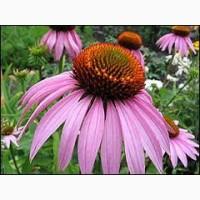
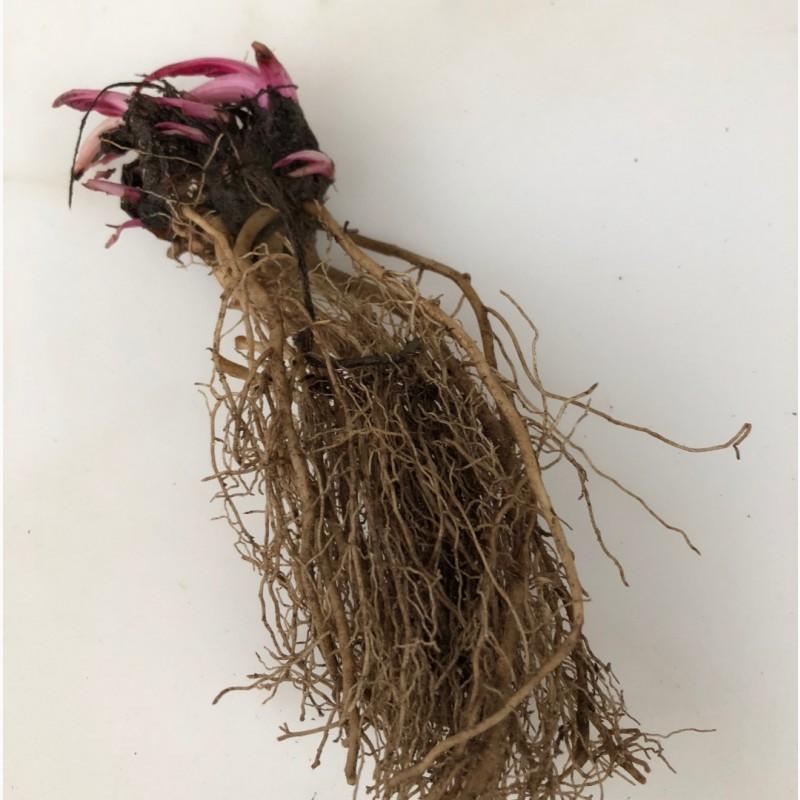
Echinacea purple roots 1 kg, Kharkiv region.
Region:all Ukraine,
Kharkov region.
(Kharkiv)
Updated:
Extracts from the roots and grass of Echinacea with flowers are part of more than 240 medicinal products. Echinacea is used to treat a wide variety of diseases, including colds, toothaches, ulcers, wounds, and herpes. Echinacea has proven itself as a means that stimulates and models immunity. At present, research is being conducted on the use of echinacea for the treatment of cancer, arthritis and chronic fatigue syndrome. Laboratory and clinical studies have shown that echinacea acts as an antibiotic and is the most powerful and effective stimulator of the immune system among all known herbal preparations. It has been established that this plant helps in the treatment of influenza, smallpox, poliomyelitis, infections urinary tract, cystitis, as well as in the case of insufficiently effective antibacterial and anti-inflammatory therapy. Echinacea preparations inhibit the growth and reproduction of streptococcus, staphylococcus, Escherichia coli, are effective in inflammatory diseases, various wound processes and microbial eczema. The detoxification properties of this plant are proven (the metabolic processes in the liver and kidneys are improved, which carry out the processing and elimination of various toxins, heavy metals and radionuclides). Echinacea is used as a fodder plant due to its beneficial effect on the growth of pigs andyoung cattle. Echinacea contains biologically active substances: polysaccharides, flavonoids, derivatives of caffeic acid, essential and fattyoils, vitamins, macroelements - potassium and calcium, microelements - silver, zinc, selenium, cobalt, cast iron, copper, etc.
|
Author, contacts | |
Юлия/ отзывы, инфо./ activity evaluation | |
|
Phone:
+38(xxxxxx
show
| |
| Viber: 380672594366 | |
All user ads ~206 | |
Ad ID: #1115899
(added by a registered user, registration date: 04-30-2021)
Added / Updated: 09-02-2026 18:42 (relevant, until: 02-09-2027)
Permanent ad address:
Showed / watched for today: ?, total: ?
Similar ads
Among them there are many interesting...