For sale / buy
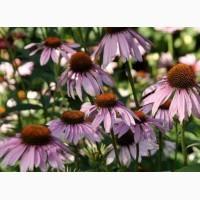
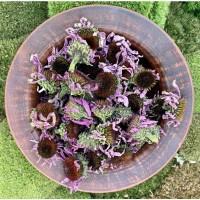
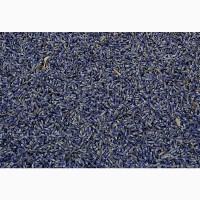
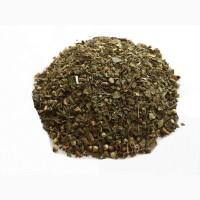
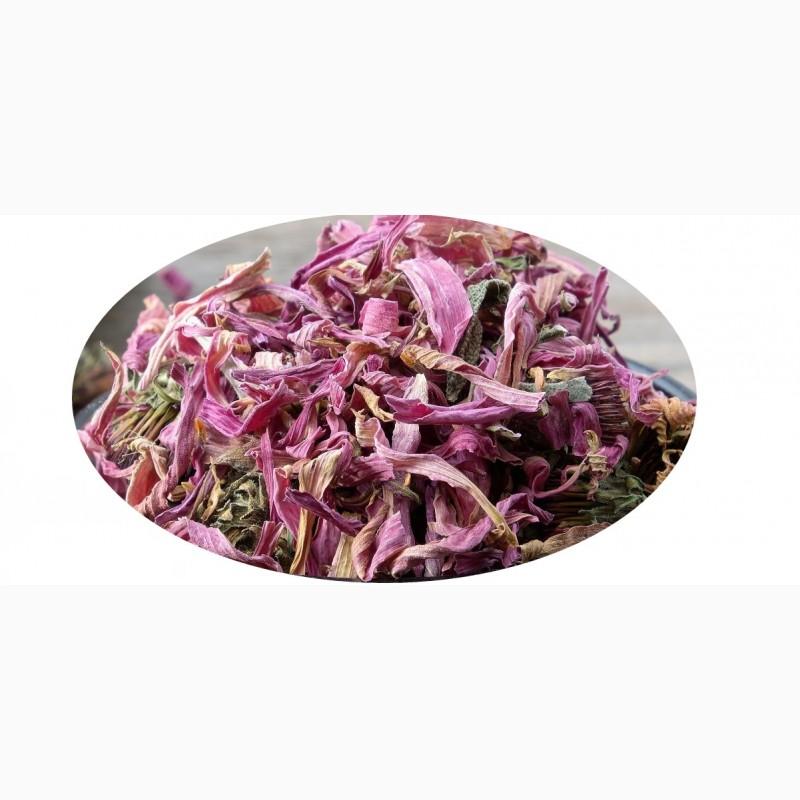
Echinacea (flower) 1kg, Kharkiv region.
Region:all Ukraine,
Kharkov region.
(Kharkiv)
Updated:
Echinacea purple is an extremely valuable plant for the treatment of diseases of the genitourinary sphere. Thanks to its anti-inflammatory properties, it helps against female inflammatory diseases and inflammation of the genitourinary organs, as well as against other inflammatory processes of internal organs; it treats adnexitis, parametritis, cystitis and prostatitis. Infertility - male and female - and potency disorders are also treated with echinacea. In addition, it helps in the treatment of diseases of the upper respiratory tract: bronchitis, bronchial asthma, pneumonia, colds, as well as coughs, flu and colds. External use of preparations based on echinacea helps with skin diseases: furunculosis, herpes, psoriasis, burns, itching after insect bites, eczema, wounds. This plant treats diseases caused by metabolic disorders: obesity and diabetes. With its help, you can get rid of tonsillitis, tonsillitis, sinusitis, bladder and liver diseases, polyarthritis, immune deficiency, as well as alcohol addiction. Decorative varieties of echinacea are used by gardeners. In folk medicine, this plant has long been used as a medicine in the fight against a huge number of diseases. With the advent of modern medicine and the appearance of a large number of drugs, the importance of echinacea has somewhat declined, but it still remains an incredibly valuable plant due to its anti-inflammatory, immunostimulating and antimicrobial properties. The chemical composition of the echinacea herb includes essentialoils, polysaccharides, caffeic, ferulic, chicory and coumaric acid, flavonoids, saponins, echinacin, tannins, echinolone, polyamines, organic acids, glycoside echinacoside, pyrocachetin and phytosterols.
|
Author, contacts | |
Юлия/ отзывы, инфо./ activity evaluation | |
|
Phone:
+38(xxxxxx
show
| |
| Viber: 380672594366 | |
All user ads ~206 | |
Ad ID: #1115898
(added by a registered user, registration date: 04-30-2021)
Added / Updated: 09-02-2026 18:42 (current, until: 02-09-2027)
Permanent ad address:
Showed / watched for today: ?, total: ?
Similar ads
Among them there are many interesting...