When a shovel is difficult and a tractor is expensive and inefficient: we choose a walk-behind tractor
Modern agriculture in Ukraine is developing in holdings, large, medium and small enterprises. Production in large agricultural enterprises is ensured by modern high-performance machinery. In small farms and private farms, the following are used for mechanization:
- mini-tractors;
- motoblocks;
- other small-sized motorized equipment (for example,motor cultivators, tillers,mowers).
Among the small-sized equipment, various types of walk-behind tractors have become the most widespread. Motoblocks are irreplaceable on areas with a small area or when it is difficult to use large equipment (with small row spacings and on slopes).
The use of walk-behind tractors allows:
- to cultivate the soil on homestead plots;
- perform various works in greenhouses, gardens and vineyards;
- effectively work on slopes and areas with a complex configuration;
- to transport goods.
Something about the design of walk-behind tractors
To perform operations during production, walk-behind tractors are equipped with various attachments. Like large-sized machinery, walk-behind tractors have:
- engine;
- transmission;
- management bodies;
- mounted and other equipment
Spare parts for walk-behind tractors


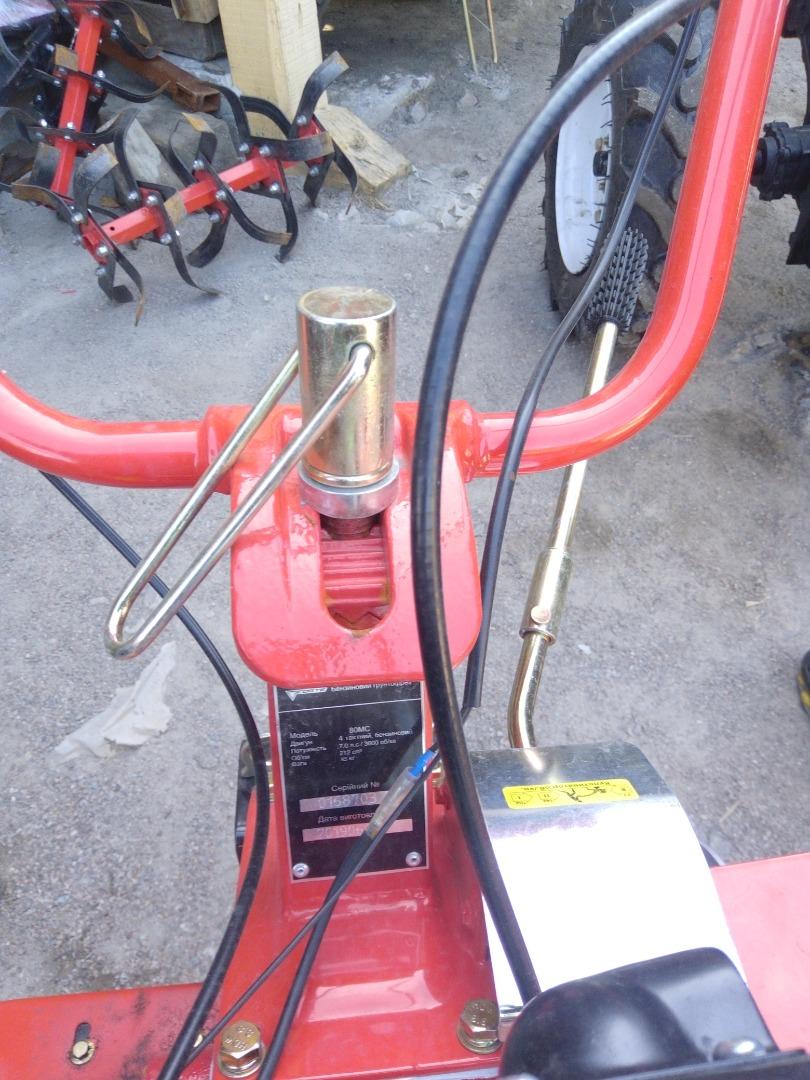


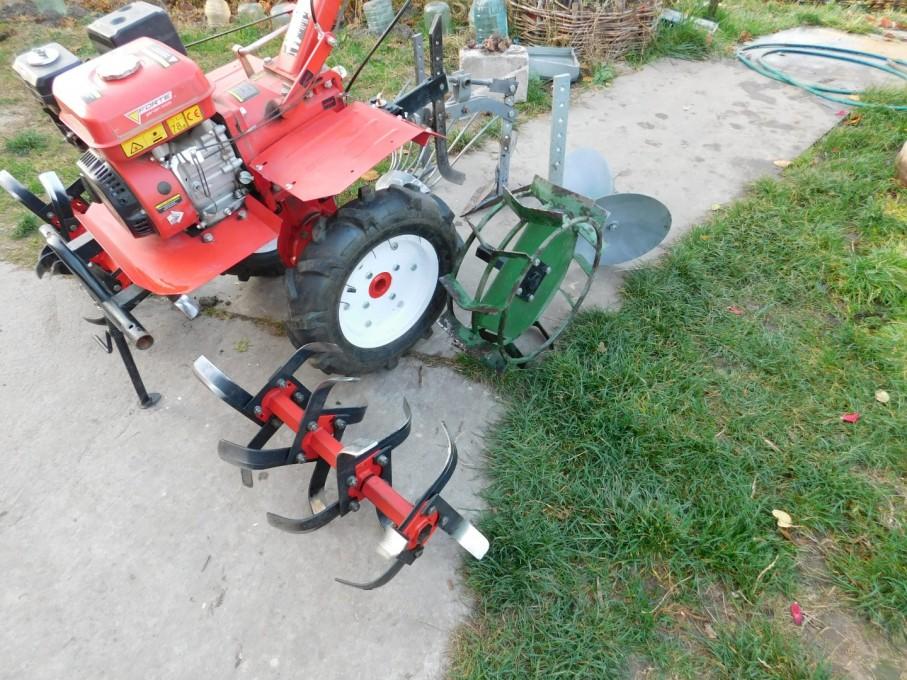
Among the main features of the designs of motor-blocks, it should be mentioned:
- motor-block engines with power from 3.0 to 6.0 hp. can have different power and determine the possibility of performing various operations;
- different types of clutches: single and multi-disc, the most common is a V-belt transmission;
- gearbox with movable spur gears provides selection of 2...6 forward gears and 1...2 reverse gears;
- in the transmission of walk-behind tractors, chain gears are often quite often used;
- brakes are not used on walk-behind tractors of small weight, engine power and at low speeds;
- band brakes are used on walk-behind tractors of greater power and weight and when working at higher speeds;
- motoblocks have a frameless design;
- running system of walk-behind tractors - wheeled (with two or one wheels) or tracked;
- rod control of the direction of movement with a turning angle of up to 180 degrees.


It should be noted that walk-behind tractors are equipped with engines of different manufacturers. But in most cases, with an increase in engine power, the price of the equipment will also increase.
As noted, the V-belt transmission became the most widespread as a clutch. Controlling its operation is quite simple and is carried out by changing the tension of the belt with a roller tensioning mechanism.
An important feature of the walk-behind tractor is the possibility of installing different types of wheels depending on the working conditions (for example, metal wheels are used for soil cultivation). For active loosening of the soil, instead of wheels, a milling working body can be installed.
In most brands of walk-behind tractors, the rod, which is used to change the direction of movement and turns, can be easily changed for the convenience of workers.
In the photo below, we show the most used cultivators and walk-behind tractors in terms of power and equipped weight:


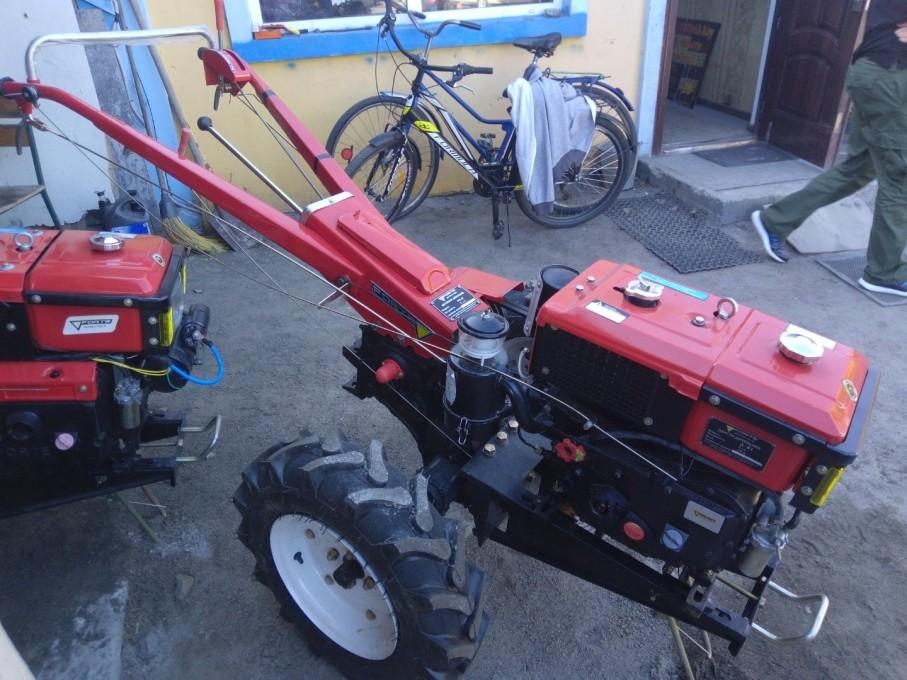
Choosing a walk-behind tractor
One of the difficult tasks for a farmer is the choice of the equipment that best meets his demand. When choosing a walk-behind tractor, it is necessary to pay attention to the following:
- the dimensions of the wheels must ensure the necessary passability;
- pay attention to the materials from which the walk-behind tractor is made. This significantly affects the duration of trouble-free operation of the equipment;
- suitability of the walk-behind tractor to its use, namely the area of the site and the operations that will be performed by the walk-behind tractor. And in this case, it is advisable to purchase attachments for the walk-behind tractor at the same time to perform the relevant operations. If the walk-behind tractor is used for transporting goods, the trailer for the walk-behind tractor must be selected accordingly;
- The tractor must have sufficient width of grip and engine power to perform these operations.
How to choose the engine power of a walk-behind tractor
In general, it is recommended to use:
- for plots up to 0.3 ha - light walk-behind tractors with a capacity of up to 6.5 hp. with a gasoline engine and a working width of up to 0.8 m;
- for plots of 0.3...0.6 ha - medium walk-behind tractors with a power of up to 6.0 hp. with a diesel engine or up to 9.0 hp. with a gasoline engine and a working width of 0.8...0.9 m;
- for plots with an area of up to 1.0 ha - medium walk-behind tractors with a capacity of 8.0...9.0 hp. and with a width of 0.9 m;
- for plots of 1.0...2.0 ha - heavy walk-behind tractors equipped with diesel engines with a capacity of 8.0...9.0 hp;
- for plots up to 5.0 ha - heavy walk-behind tractors with diesel engines with a capacity of 10.0...12.0 hp;
- for plots with an area of more than 5.0 hectares - heavy walk-behind tractors with diesel engines with a capacity of about 15.0 hp.
In the case of using walk-behind tractors in greenhouses and other types of closed premises, it is necessary to pay attention to the level of smoke from exhaust gases or to ensure ventilation of the premises! It is also possible to use less powerful electric cultivators in this case.
It is important, when choosing a walk-behind tractor, to know about its warranty service and location of service centers. And among the main ones, of course, follow the recommendations and warnings of the manufacturing companies. This will make it possible to ensure longer proper use, the possibility of high-quality service and receiving consultations if necessary.
[email protected]