/ Fertilizers and plant protection products / Herbicides / Acenor - herbicide against weeds in crops...
For sale / buy
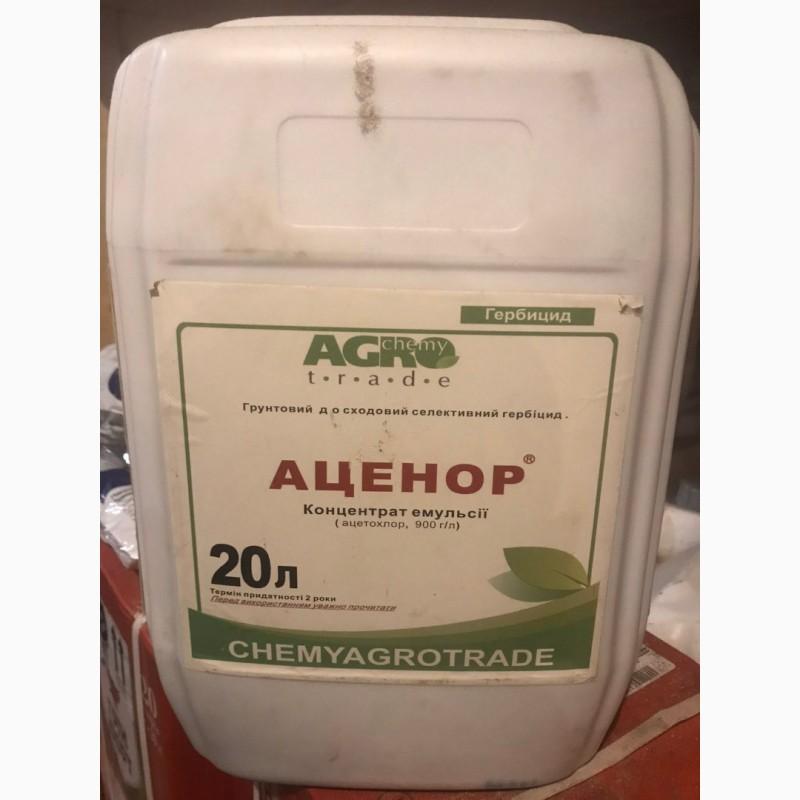
Acenor - herbicide against weeds in sunflower, soybean and corn crops, Kyiv region.
Price10$
Region:
Kyiv region.
(Vyshhorodok)
Updated:
Acenor (Harnes) - Selective soil herbicide for controlling annual grass and dicotyledonous weeds in cropssunflower, soybeans and corn.
Active substance: Acetochlor, 900 g/l.
Preparative form: Emulsifiable concentrate.
Chemical group: Chloracetamides.
Toxicity: WHO classification: hazard class 2.
Container: 20 l canister, the price is for 1 l.
Advantages of the drug:
- ensures high efficiency of action for a long time (4-6 weeks), depending on weather conditions;
- destroys weeds even before their seedlings appear;
- excludes inter-row tillage;
- removes the problem of weediness at the initial stages of growth and development of culture;
- ensures effective destruction of weeds and obtaining a significant increase in crop yield; quickly decomposes in the soil into non-toxic compounds.
Compatibility:
Compatible with soil herbicides on appropriate crops, liquid fertilizers, except alkaline. Before preparing the working mixtures, it is advisable to check the drugs for compatibility (absence of sediment, foam, delamination, clumping, incomplete dissolution of one of the drugs, etc.).
Mechanism of action:
Systemic herbicide. The action of the herbicide leads to suppression of the development and growth of the roots and stem part of the weed seedlings. Weed seedlings absorb the active substance from the top layer of the soil during germination and die without appearing on its surface.(//tractor-service.com)
Range of action:
Annual cereals: chicken millet, gray mouse, green mouse, sundew, fenugreek, sedge.
Annual dicotyledons: ragweed, ambrosia, common buckwheat, white quinoa, dahlia, chamomile, bitter gorse, black nightshade, garden purslane, star anemone, small-flowered gorse, rutka, common gill.
Perennial: pink thistle (seedlings from seeds), gumay orsorghum Aleppo (seedlings from seeds).
Acenor application regulations:
Culture - Drug consumption rate, l/ha - Spectrum of action - Method, processing time
* Sunflower, soy,corn
-1.8-3.0
- Annual cereal and dicotyledonous weeds
-Spraying the soil before sowing, during sowing, after sowing, but before the appearance of crop seedlings
-The maximum number of treatments is 1.
Features of the use of Acenor:
There is no waiting period from the last treatment to harvest. The consumption rate of the working solution is 200-300 l/ha.
The rate of use of Acenor depends on: the content of humus in the soil, the mechanical composition of the soil (light, medium, heavy), as well as on the predicted current weediness and weather conditions. The drug is applied to the surface of the soil. The soil should be sufficiently moist and with small lumps, since large lumps increase the area of absorption and reduce the effectiveness of the action. If the soil is wet, digging into the soil is not carried out. In conditions of insufficient soil moisture, it is necessary to apply the herbicide mechanically (light harrows), adjusting to the depth of cultivation of the cultivated plant.
Acenor is applied before sowing, during sowing, after sowing, but before the emergence of seedlings. Optimal conditions are precipitation or irrigation within 7-10 days after spraying, which enhances the penetration of the herbicide into the weed seed germination zone. In conditions of excessive soil moisture and low air temperatures, phytotoxicity may occur in the form of leaf curling and stem bending near the soil surface, and in some cases partial death of sunflower and soybean crops. On heavy soils with a high content of humus, the norms are maximum; on light soils with a low humus content, it is advisable to reduce the application rate.
The time limit for workers to leave the treated area for mechanized work is 3 days, for manual work it is not required.
Active substance: Acetochlor, 900 g/l.
Preparative form: Emulsifiable concentrate.
Chemical group: Chloracetamides.
Toxicity: WHO classification: hazard class 2.
Container: 20 l canister, the price is for 1 l.
Advantages of the drug:
- ensures high efficiency of action for a long time (4-6 weeks), depending on weather conditions;
- destroys weeds even before their seedlings appear;
- excludes inter-row tillage;
- removes the problem of weediness at the initial stages of growth and development of culture;
- ensures effective destruction of weeds and obtaining a significant increase in crop yield; quickly decomposes in the soil into non-toxic compounds.
Compatibility:
Compatible with soil herbicides on appropriate crops, liquid fertilizers, except alkaline. Before preparing the working mixtures, it is advisable to check the drugs for compatibility (absence of sediment, foam, delamination, clumping, incomplete dissolution of one of the drugs, etc.).
Mechanism of action:
Systemic herbicide. The action of the herbicide leads to suppression of the development and growth of the roots and stem part of the weed seedlings. Weed seedlings absorb the active substance from the top layer of the soil during germination and die without appearing on its surface.(//tractor-service.com)
Range of action:
Annual cereals: chicken millet, gray mouse, green mouse, sundew, fenugreek, sedge.
Annual dicotyledons: ragweed, ambrosia, common buckwheat, white quinoa, dahlia, chamomile, bitter gorse, black nightshade, garden purslane, star anemone, small-flowered gorse, rutka, common gill.
Perennial: pink thistle (seedlings from seeds), gumay orsorghum Aleppo (seedlings from seeds).
Acenor application regulations:
Culture - Drug consumption rate, l/ha - Spectrum of action - Method, processing time
* Sunflower, soy,corn
-1.8-3.0
- Annual cereal and dicotyledonous weeds
-Spraying the soil before sowing, during sowing, after sowing, but before the appearance of crop seedlings
-The maximum number of treatments is 1.
Features of the use of Acenor:
There is no waiting period from the last treatment to harvest. The consumption rate of the working solution is 200-300 l/ha.
The rate of use of Acenor depends on: the content of humus in the soil, the mechanical composition of the soil (light, medium, heavy), as well as on the predicted current weediness and weather conditions. The drug is applied to the surface of the soil. The soil should be sufficiently moist and with small lumps, since large lumps increase the area of absorption and reduce the effectiveness of the action. If the soil is wet, digging into the soil is not carried out. In conditions of insufficient soil moisture, it is necessary to apply the herbicide mechanically (light harrows), adjusting to the depth of cultivation of the cultivated plant.
Acenor is applied before sowing, during sowing, after sowing, but before the emergence of seedlings. Optimal conditions are precipitation or irrigation within 7-10 days after spraying, which enhances the penetration of the herbicide into the weed seed germination zone. In conditions of excessive soil moisture and low air temperatures, phytotoxicity may occur in the form of leaf curling and stem bending near the soil surface, and in some cases partial death of sunflower and soybean crops. On heavy soils with a high content of humus, the norms are maximum; on light soils with a low humus content, it is advisable to reduce the application rate.
The time limit for workers to leave the treated area for mechanized work is 3 days, for manual work it is not required.
|
Shop, contacts | |
Yuriy/ reviews, info. | |
|
Phone:
+38(xxxxxx
show
| |
All ads user ~1000 | |
Ad ID: #981728
(added by registered user)
Added / Updated: 09-23-2026 09:30 (current, until: 09-23-2027)
Permanent Ad Address:
Impressions / views for today: ?, total: ?