For sale / buy
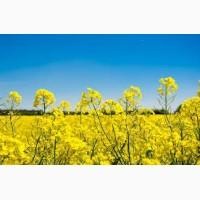
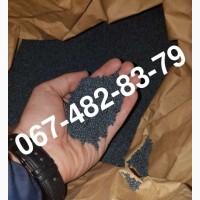
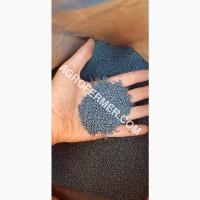
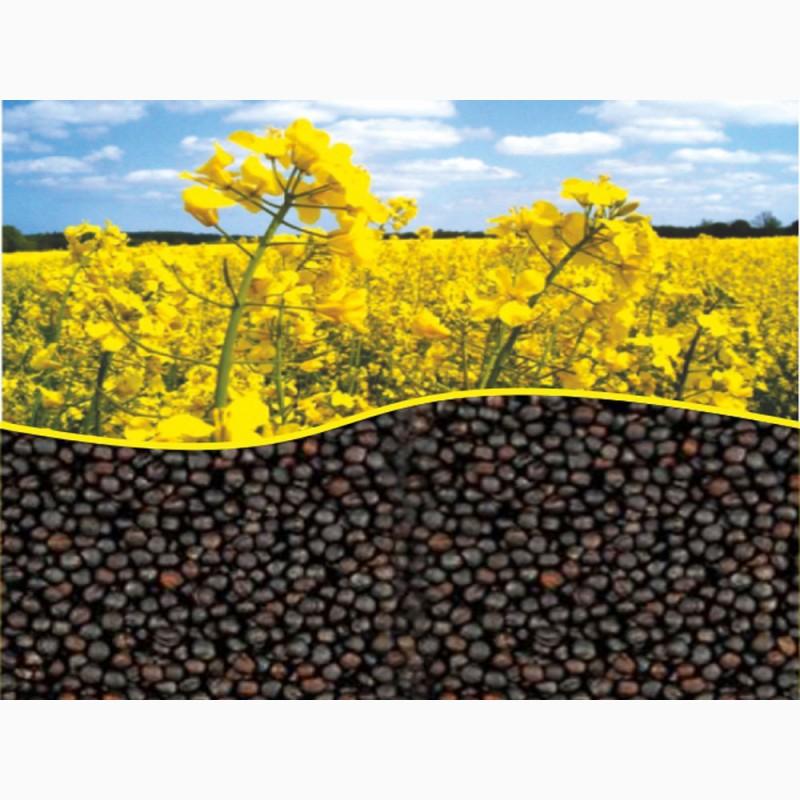
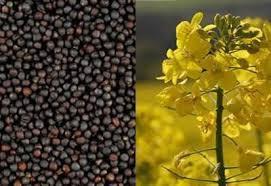
For sale Rapeseed of Canadian selection, rapeseed, Dnipropetrovsk region.
Price1 UAH. / kg
Region:all of Ukraine,
Dnipropetrovsk region.
(Dnipro)
Updated:
Purpose of grain: Sowing material
Quantity: 20 tons
The Yukon winter hybrid was bred in Canada and for this reason demonstrates excellent survivability in harsh winter conditions. A feature of Yukon is increased compensatory properties that allow the hybrid to survive in unforeseen weather and other extreme conditions.
Features of the Yukon hybrid:
Vegetative period — 280 — 285 days;
The height of the plants is up to 160 cm;
Fat content - 45%;
Glucosinolate — 22.6 micromoles/1g;
Erucic acid - 0.5%;
The maximum yield is 52 t/ha (average — 45 t/ha).
Advantages of the Yukon hybrid:
Cold resistance;
High adaptive capabilities;
Adaptability to mechanized cultivation;(//tractor-service.com)
Stable set of vegetative mass;
Resistance to diseases, pests;
Resistance to decay, shedding.
Where can you grow the Yukon hybrid in Ukraine?
In Ukraine, "Yukon" can be grown everywhere, including the cold northern regions of the country. The breeders' ability of Yukon to self-compensate in an unfavorable environment saves money for agricultural producers. Where other hybrids die, "Yukon" after a short time will restore the normal regime of vegetation. It is necessary to plow the field only in the case when the seeding density has decreased to less than 20 sprouts per square meter and the plants are distributed unevenly on the sown plot.
Features of growing the Yukon hybrid
For the "Yukon" hybrid, the leveled surface of the sowing areas is preferable. When sowing, you should use a "rapeseed"seeder SPR-6 and observe a distance of 7.5 or 15, or any other multiple of 7.5 cm between the sowing lines. So later it will be more convenient to harvest the crop. A maximum of 45 centimeters between rows is used to reproduce seed stocks. Sowing depth is 1.5 — 4 cm. The choice of depth depends on the degree of loosening of the soil. In hard soil, it is necessary to sow closer to the surface.
When will the Yukon hybrid be harvested?
If all recommendations are followed at the stages of sowing and vegetation, a harvest close to the maximum is guaranteed. "Yukon" should be harvested when the seeds reach maturity. The small variability of the vegetation period of +/- 5 days allows you to prepare for the harvest date without fail. Signs of ripeness are standard: bright shade of grains, rustling when shaken.
Can the Yukon deplete the soil?
The "Yukon" hybrid can harm the soil no more than any other hybrid, and only if crop rotation is disturbed. "Yukon" does not require compliance with any special restrictions, except traditional ones. On the same field withrapeseed it is impossible to sow cabbage crops - neither before nor after. Cabbage and rapeseed have common natural enemies in nature, so the soil, being under long-term harmful effects of the same type, wears out faster.
Features of the Yukon hybrid:
Vegetative period — 280 — 285 days;
The height of the plants is up to 160 cm;
Fat content - 45%;
Glucosinolate — 22.6 micromoles/1g;
Erucic acid - 0.5%;
The maximum yield is 52 t/ha (average — 45 t/ha).
Advantages of the Yukon hybrid:
Cold resistance;
High adaptive capabilities;
Adaptability to mechanized cultivation;(//tractor-service.com)
Stable set of vegetative mass;
Resistance to diseases, pests;
Resistance to decay, shedding.
Where can you grow the Yukon hybrid in Ukraine?
In Ukraine, "Yukon" can be grown everywhere, including the cold northern regions of the country. The breeders' ability of Yukon to self-compensate in an unfavorable environment saves money for agricultural producers. Where other hybrids die, "Yukon" after a short time will restore the normal regime of vegetation. It is necessary to plow the field only in the case when the seeding density has decreased to less than 20 sprouts per square meter and the plants are distributed unevenly on the sown plot.
Features of growing the Yukon hybrid
For the "Yukon" hybrid, the leveled surface of the sowing areas is preferable. When sowing, you should use a "rapeseed"seeder SPR-6 and observe a distance of 7.5 or 15, or any other multiple of 7.5 cm between the sowing lines. So later it will be more convenient to harvest the crop. A maximum of 45 centimeters between rows is used to reproduce seed stocks. Sowing depth is 1.5 — 4 cm. The choice of depth depends on the degree of loosening of the soil. In hard soil, it is necessary to sow closer to the surface.
When will the Yukon hybrid be harvested?
If all recommendations are followed at the stages of sowing and vegetation, a harvest close to the maximum is guaranteed. "Yukon" should be harvested when the seeds reach maturity. The small variability of the vegetation period of +/- 5 days allows you to prepare for the harvest date without fail. Signs of ripeness are standard: bright shade of grains, rustling when shaken.
Can the Yukon deplete the soil?
The "Yukon" hybrid can harm the soil no more than any other hybrid, and only if crop rotation is disturbed. "Yukon" does not require compliance with any special restrictions, except traditional ones. On the same field withrapeseed it is impossible to sow cabbage crops - neither before nor after. Cabbage and rapeseed have common natural enemies in nature, so the soil, being under long-term harmful effects of the same type, wears out faster.
|
Author, contacts | |
Oleg / feedback, info. / evaluation of activity | |
|
Phone:
+380xxxxxx
show
| |
All user ads ~17 | |
Ad ID: #951461
(added by a registered user, registration date: 22-04-2019)
Added/Updated: 01-29-2026 13:39 (current, until: 01-29-2027)
Permanent Ad Address:
Impressions / views for today: ?, total: ?
Similar ads
Among them there are many interesting ones...