/ Fertilizers and plant protection products / Nitrogen fertilizers / I will sell liquid anhydrous ammonia! I will sell Ammonia...
Sell / buy
I will sell anhydrous liquid ammonia! Liquid anhydrous ammonia for sale, Cherkasy region.
Region:All Ukraine,
Cherkasia region.
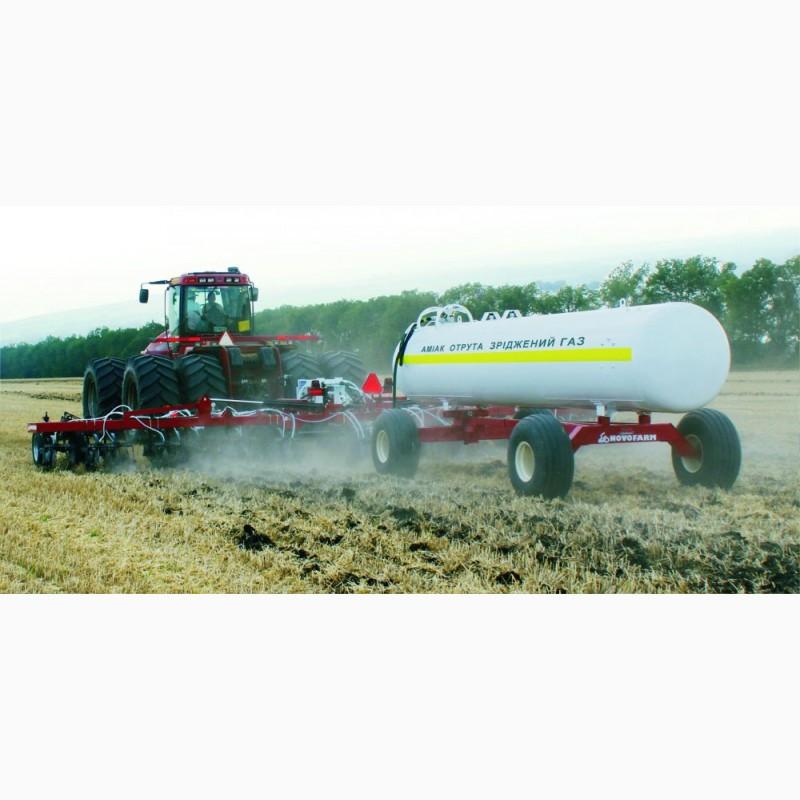
Anhydrousammonia is a liquid mineral fertilizer that contains 82.2% nitrogen. Anhydrous ammonia is a colorless liquid that boils violently in air and evaporates quickly. When it enters the soil, it turns into a gas and forms ammonium hydroxide (NH4OH), the ions of which are absorbed by the ground.Fertilizers are applied with the help of a special technique that ensures their immediate placement to a depth of at least 10-12 cm on heavy soils and 14-18 cm on light ones. Since ammonia evaporates quickly, surface application of these fertilizers is out of the question. In addition, if the laying is shallow, significant losses of fertilizer are possible, especially if we are talking about light sandy and loamy soils. As in the case of aqueous ammonia, the loss of anhydrous ammonia from wet soil is significantly less than from dry soil. It should also be noted that when liquid ammonium fertilizers are applied, the ammonium ion is absorbed and therefore moves weakly in the soil. Therefore, in the first days, you can notice how the soil becomes alkaline, and then, as ammonia nitrogen nitrifies, it becomes acidified. The mobility of nitrogen in the soil also increases. In fact, in places where anhydrous ammonia is applied, the soil is temporarily sterilized, and the rate of nitrification slows down.
Liquid technical (anhydrous) ammonia - used for the production of all types of mineral fertilizers, applied to the soil as a concentrated liquid fertilizer, as well as in the state of aqueous solutions.
A unit of nitrogen in it is much cheaper than in solid nitrogen fertilizers, and all transportation and application operations are fully mechanized. The ammoniacal form of nitrogen is fixed in the soil and is not washed out in the autumn-winter period. This feature allows it to be applied in late autumn when the average daily soil temperature does not exceed 10 degrees.
Characteristics:
1) Nitrogen mass fraction: 82%
2) Colorless liquid
3) When applied to the soil, it turns into a gas
4) Concentrated nitrogen fertilizer
5) The cheapest price of the active substance
6) Requires special conditions of entry.
7) Advantages over granular fertilizers
- high manufacturability of introduction
-uniform distribution in the arable layer and greater availability of nitrogen to plants.
-beneficial effect on the soil, in which the number of mobile forms of phosphorus, potassium and microelements increases, which naturally improves the nutrition of plants
-resistance against being washed away by rainfall and irrigation water
- costs when using nitrogen in the form of liquid ammonia are always lower than when using ammonium nitrate and urea(//tractor-service.com)
- cost of 1 ton nitrogen is 35% lower than the cost in granular fertilizers
Application features:
Liquid nitrogen is used as a pre-sowing fertilizer for all crops and is applied not only for pre-sowing cultivation, but also in autumn for plowing. Fertilizers can also be used to feed row crops. But in this case, it is advisable to put fertilizers in the middle of the rows or at a distance of at least 10-12 cm from the plants to avoid burns.
Recommended rates of introduction of ammonia at one time:
1) for cereals - 60-150 kg/ha;
2) for technical crops - 60-120 kg/ha;
3) for vegetables - 50-70 kg/ha;
4) under sugar beet 120-200 kg/ha on the background of phosphorus-potassium fertilizers.
Benefits:
1. Wide range of action. Anhydrous ammonia is used as the main fertilizer for all crops, and is applied not only for pre-sowing cultivation, but also for plowing in autumn. In addition, fertilizer is used to feed row crops.
2. Uniform distribution in the soil. When the fertilizer has already been applied, the ammonium ion binds with soil moisture, and therefore is quickly absorbed and moves slowly in the soil horizon. Thus, a characteristic feature of applying anhydrous ammonia is its more uniform distribution in the soil layer, as well as greater availability of the active substance to plants. And what is important - the number of mobile forms of phosphorus, potassium and trace elements increases in the ground. In this way, the nutrition regime of plants is improved.
3. Say "no!" to weeds. Anhydrous ammonia significantly complicates the growth and development of weeds in crop crops, solving the problem of pest control.
Liquid technical (anhydrous) ammonia - used for the production of all types of mineral fertilizers, applied to the soil as a concentrated liquid fertilizer, as well as in the state of aqueous solutions.
A unit of nitrogen in it is much cheaper than in solid nitrogen fertilizers, and all transportation and application operations are fully mechanized. The ammoniacal form of nitrogen is fixed in the soil and is not washed out in the autumn-winter period. This feature allows it to be applied in late autumn when the average daily soil temperature does not exceed 10 degrees.
Characteristics:
1) Nitrogen mass fraction: 82%
2) Colorless liquid
3) When applied to the soil, it turns into a gas
4) Concentrated nitrogen fertilizer
5) The cheapest price of the active substance
6) Requires special conditions of entry.
7) Advantages over granular fertilizers
- high manufacturability of introduction
-uniform distribution in the arable layer and greater availability of nitrogen to plants.
-beneficial effect on the soil, in which the number of mobile forms of phosphorus, potassium and microelements increases, which naturally improves the nutrition of plants
-resistance against being washed away by rainfall and irrigation water
- costs when using nitrogen in the form of liquid ammonia are always lower than when using ammonium nitrate and urea(//tractor-service.com)
- cost of 1 ton nitrogen is 35% lower than the cost in granular fertilizers
Application features:
Liquid nitrogen is used as a pre-sowing fertilizer for all crops and is applied not only for pre-sowing cultivation, but also in autumn for plowing. Fertilizers can also be used to feed row crops. But in this case, it is advisable to put fertilizers in the middle of the rows or at a distance of at least 10-12 cm from the plants to avoid burns.
Recommended rates of introduction of ammonia at one time:
1) for cereals - 60-150 kg/ha;
2) for technical crops - 60-120 kg/ha;
3) for vegetables - 50-70 kg/ha;
4) under sugar beet 120-200 kg/ha on the background of phosphorus-potassium fertilizers.
Benefits:
1. Wide range of action. Anhydrous ammonia is used as the main fertilizer for all crops, and is applied not only for pre-sowing cultivation, but also for plowing in autumn. In addition, fertilizer is used to feed row crops.
2. Uniform distribution in the soil. When the fertilizer has already been applied, the ammonium ion binds with soil moisture, and therefore is quickly absorbed and moves slowly in the soil horizon. Thus, a characteristic feature of applying anhydrous ammonia is its more uniform distribution in the soil layer, as well as greater availability of the active substance to plants. And what is important - the number of mobile forms of phosphorus, potassium and trace elements increases in the ground. In this way, the nutrition regime of plants is improved.
3. Say "no!" to weeds. Anhydrous ammonia significantly complicates the growth and development of weeds in crop crops, solving the problem of pest control.
Ad ID: #947068
(added by a registered user)
Permanent Ad Address:
Impressions / views for today: ?, total: ?
Similar recent ads
There are many interesting ones among them...