/ Fertilizers and plant protection products / Organic fertilizers / Humilight 80% growth stimulator, adaptogen...
Sell / buy
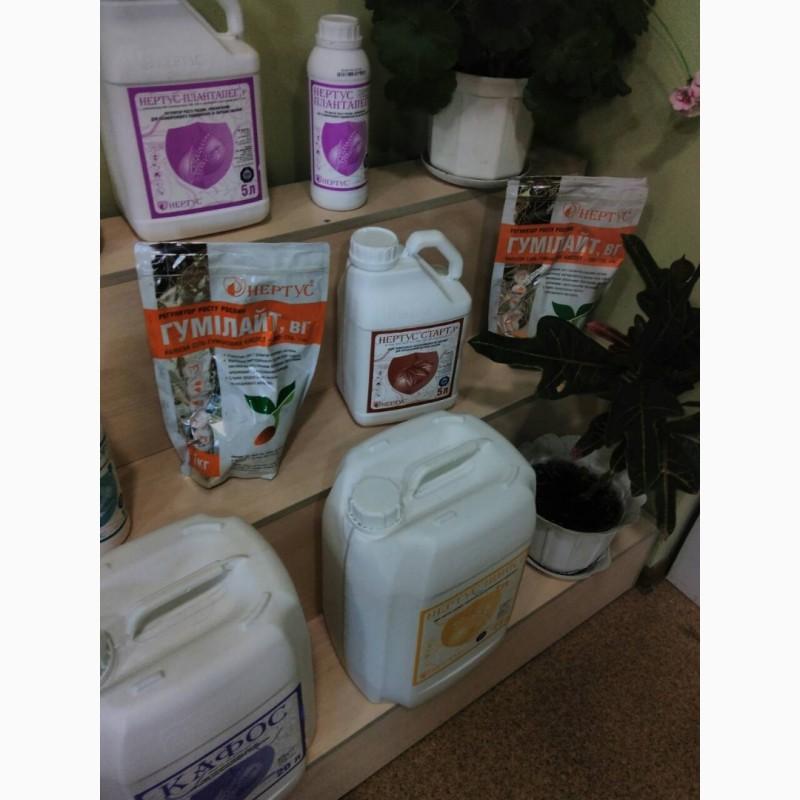
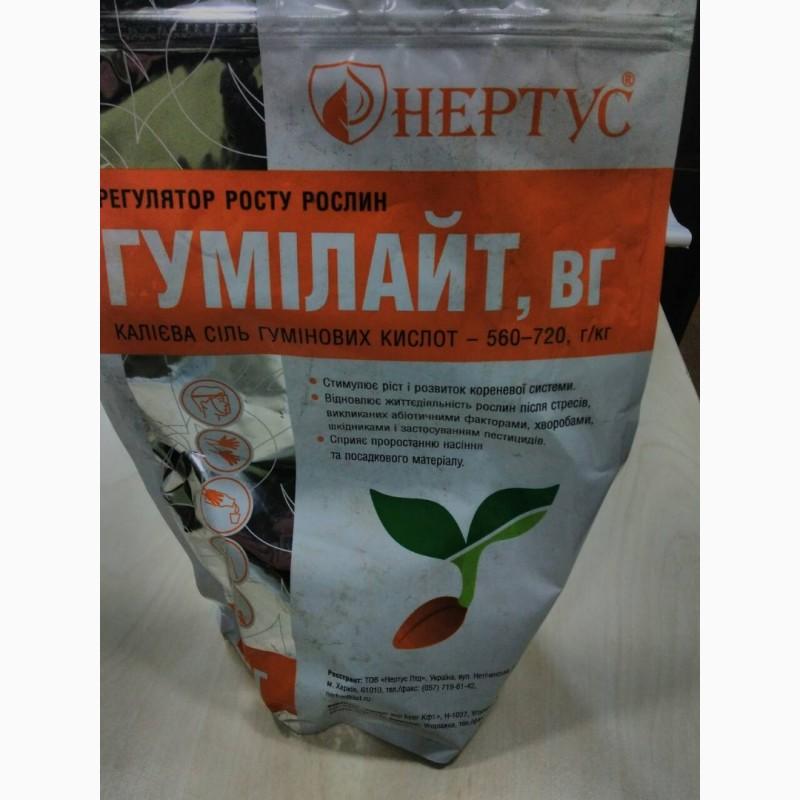
Gumilight 80% growth stimulator, adaptogen, antistress (gumifield), Dnipropetrovsk region.
Price690 UAH.
Region:
Dnipropetrovsk region.
(Synelnikovo)
Updated:
Nertus Gumilyt 80% is an analogue of the German drug Humifield.
Gumilyt is a growth stimulator, adaptogen, anti-stressor.
Nertus Gumilyat, 80% - a new drug from the Nertus company based on humic acids, namely leonardite. The main difference between Humilait and many other humates is the active substance and its concentration. This preparation is not made from ordinary coal, but from leonardite, which is mined in three places on the planet and is more concentrated and powerful compared to simple coal plus its concentration, in the preparation it is as much as 80%.
Gumilyat strengthens the immunity of plants, resistance to diseases, relieves stress.
In addition to humic and fulvic acids, the preparation contains:
- potassium in the amount of 10 - 12%,
- amino acids 10-12%, iron - 1%
- other trace elements in the amount of 1%.
Gumilyt 80% is supplied in 1 kg, 5 kg and 25 kg packages, and the production takes place directly at the Peters & Burg KFT Agrochemical Holding, Hungary.
Gumilyt is used during the pre-sowing treatment of seeds, and is also used as a foliar fertilizer.
Gumilyt is compatible with most pesticides, however, in each individual case, a preliminary check of drug compatibility should be made.
Consumption rate of Gumilyat, 80%:
Grains: 100-200 g/t for pre-sowing treatment, 30-100 g/ha for foliar feeding(//tractor-service.com)
Soybean 100-200 g/t for pre-sowing treatment, 30-100 g/ha for foliar feeding
Corn: 100-200 g/t for pre-sowing treatment, 30-100 g/ha for foliar feeding
Rapeseed: 100-200 g/t for pre-sowing treatment, 30-100 g/ha for foliar feeding
Beans: 100-200 g/t for pre-sowing treatment, 30-100 g/ha for foliar feeding
Vegetables: 100-200 g/t for pre-sowing treatment, 30-100 g/ha for foliar feeding
Rate of consumption of the working solution: 164
Норма расхода рабочего раствора при внесении при помощи опрыскивателя, зависит от культуры, в среднем составляет 120 - 1000 л/га.
Эффективность от применения Нертус Гумилайт в Украине.
1. The increased concentration of the active substance allows to reduce application rates (the economic benefit from application increases)
2. The main physiological processes are stimulated.
3. The yield of crops and the quality of commodity production are increasing.
4. The protein content in commercial products increases.
5. Improves the formation of fruits, as well as the assimilation of nutrients from the soil.
Gumilyt is a growth stimulator, adaptogen, anti-stressor.
Nertus Gumilyat, 80% - a new drug from the Nertus company based on humic acids, namely leonardite. The main difference between Humilait and many other humates is the active substance and its concentration. This preparation is not made from ordinary coal, but from leonardite, which is mined in three places on the planet and is more concentrated and powerful compared to simple coal plus its concentration, in the preparation it is as much as 80%.
Gumilyat strengthens the immunity of plants, resistance to diseases, relieves stress.
In addition to humic and fulvic acids, the preparation contains:
- potassium in the amount of 10 - 12%,
- amino acids 10-12%, iron - 1%
- other trace elements in the amount of 1%.
Gumilyt 80% is supplied in 1 kg, 5 kg and 25 kg packages, and the production takes place directly at the Peters & Burg KFT Agrochemical Holding, Hungary.
Gumilyt is used during the pre-sowing treatment of seeds, and is also used as a foliar fertilizer.
Gumilyt is compatible with most pesticides, however, in each individual case, a preliminary check of drug compatibility should be made.
Consumption rate of Gumilyat, 80%:
Grains: 100-200 g/t for pre-sowing treatment, 30-100 g/ha for foliar feeding(//tractor-service.com)
Soybean 100-200 g/t for pre-sowing treatment, 30-100 g/ha for foliar feeding
Corn: 100-200 g/t for pre-sowing treatment, 30-100 g/ha for foliar feeding
Rapeseed: 100-200 g/t for pre-sowing treatment, 30-100 g/ha for foliar feeding
Beans: 100-200 g/t for pre-sowing treatment, 30-100 g/ha for foliar feeding
Vegetables: 100-200 g/t for pre-sowing treatment, 30-100 g/ha for foliar feeding
Rate of consumption of the working solution: 164
Норма расхода рабочего раствора при внесении при помощи опрыскивателя, зависит от культуры, в среднем составляет 120 - 1000 л/га.
Эффективность от применения Нертус Гумилайт в Украине.
1. The increased concentration of the active substance allows to reduce application rates (the economic benefit from application increases)
2. The main physiological processes are stimulated.
3. The yield of crops and the quality of commodity production are increasing.
4. The protein content in commercial products increases.
5. Improves the formation of fruits, as well as the assimilation of nutrients from the soil.
|
Author, contacts | |
OOO "TD "Svarog Agro"/ feedback, info./ evaluation of activity | |
|
Phone:
+38(xxxxxx
show
| |
All user ads ~179 | |
Ad ID: #920921
(added by a registered user, registration date: 2016-01-22)
Added / Updated: 09-10-2026 08:34 (current, until: 10-09-2027)
Permanent Ad Address:
Impressions / views for today: ?, total: ?
Similar ads
There are many interesting ones among them...
Filters: Potassium humate