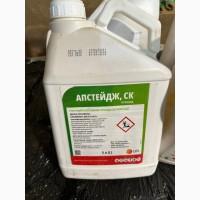
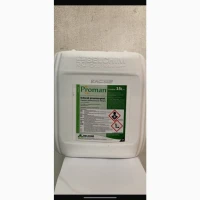
/ Fertilizers and plant protection products / Herbicides / Lobera - protection of potatoes, rapeseed, etc. beet...

Sell / buy
Lobera - protection of potatoes, rapeseed, ts. beets and vegetables from a complex of weeds, Kyiv region.
Price9.5$
Region:all Ukraine,
Kyiv region.
(Vyshhorodok)
Updated:
Lober herbicide
Active substance - Hyzalofop-p-ethyl, 150 g/l
Formulation - Emulsifiable concentrate
Purpose - Selective highly concentrated graminicide against annual and perennial grass weeds
Container - a box of 20 liters, 4 canisters of 5 liters each, the price is indicated for 1 liter. 140
Виробник: Альфа Смарт Агро
Method of application and cost norms:
* Culture * Objects * Drug consumption rate, l/ha * Processing method * Maximum number of processings
* Rape, sugar beet
-Annual cereal weeds
-0.4-0.7
- Spraying of crops regardless of the phase of culture development in the phase of 2-4 leaves of annual weeds
-2
=Perennial cereal weeds
-0.7-1.0
-Spraying crops regardless of the phase of crop development, at a height of 10-15 cm of perennial weeds.
-2
Preparations with an identical active ingredient are used on the following cultures
*White cabbage, carrot, onion (except onion "on a feather"), soybean, flax - Annual cereal weeds
-0.4-0.7 Spraying of crops regardless of the phase of culture development in the phase of 2-4 leaves of annual weeds
-2
=Perennial cereal weeds
-0.7-1.0
- Spraying of crops regardless of the phase of crop development, at a height of 10-15 cm of perennial weeds(//tractor-service.com)
*Potato
-Annual cereal weeds
-0.6-0.9
- Spraying of crops regardless of the phase of culture development in the phase of 2-4 leaves of annual weeds
-2
=Perennial cereal weeds
-0.9-1.2
-Spraying crops regardless of the phase of crop development, at a height of 10-15 cm of perennial weeds
Benefits:
-Improved formulation of hyzalofop-p-ethyl.
- Control of a wide range of grass weeds.
-Destruction of weed rhizomes due to the systemic effect of the drug. -Less risk of repeated spraying due to unexpected rain (graminicide under normal conditions is absorbed within an hour).
- Guaranteed effectiveness due to the low molecular breakdown of the active substance during the period of low plant activity (adverse weather conditions). -Wide temperature range of application.
- Low rates of herbicide consumption.
- Absence of restrictions in crop rotation.
Mechanism of action:
The herbicide quickly penetrates the surface of the weed leaf and moves to the growth points, roots and rhizomes. The drug disrupts the process of photosynthesis, plants stop growing, acquire anthocyanin color, wither and die.
Properties:
Within 1 hour after applying Lobera, cereal weeds stop growing. Visible symptoms of herbicidal action (redness of leaves, darkening of stems) appear on the 7-8th day. When applying, it should be taken into account that the complete death of weeds occurs no earlier than after 10-14 days for annual cereals and 14-21 days for perennials. But during this time they do not grow and do not suppress the culture. Due to the "closed" structure of the molecule of the active substance, a decrease in molecular decay is ensured during the period of low activity of weed plants (adverse conditions). As a result, after the onset of favorable weather conditions, the herbicidal effect of the drug continues, which guarantees the death of grass weeds.
Range of action:
Annual grass weeds: common plantain, blood-red glove, foxtail, common rush, canary, fenugreek, cornflower, chicken millet, annual thin leg, mouse (species), self-sowing barley, millet, rye, common sedge. Perennial grass weeds: creeping wheatgrass, pigweed, fenugreek (perennial species), timothy (species), self-sowing wheat (equivalent to perennial weeds), etc.
General recommendations:
The most effective time for using Lober's graminicide is the period of active weed growth in warm weather and sufficient soil moisture. It is best to spray when there are 2–3 leaves before the budding phase in annual weeds and 4–6 leaves in perennial weeds (when the plants are 10–15 cm tall). Under such conditions, the minimum recommended consumption rates of the drug are used. In the case of herbicide application at later stages of weed development, it is necessary to increase the consumption rate. The drug solution should be used within a few hours after preparation. Lobera can be used in mixtures with other plant protection agents (herbicides, fungicides, insecticides), except strongly alkaline ones. To destroy the "carrion" of cultivated cereals, you should use the dosage of the drug, which is recommended for the destruction of perennial types of weeds. The most sensitive stages to graminicides in winter wheat are 1-2 leaves, in barley - before the beginning of tillering. Temperature conditions of use from +10°C to +25°C. Herbicide treatments should be avoided during heat, drought, frost, strong wind, other adverse weather conditions and one hour before rain.
The rate of consumption of working fluid is 200-300 l/ha.
Active substance - Hyzalofop-p-ethyl, 150 g/l
Formulation - Emulsifiable concentrate
Purpose - Selective highly concentrated graminicide against annual and perennial grass weeds
Container - a box of 20 liters, 4 canisters of 5 liters each, the price is indicated for 1 liter. 140
Виробник: Альфа Смарт Агро
Method of application and cost norms:
* Culture * Objects * Drug consumption rate, l/ha * Processing method * Maximum number of processings
* Rape, sugar beet
-Annual cereal weeds
-0.4-0.7
- Spraying of crops regardless of the phase of culture development in the phase of 2-4 leaves of annual weeds
-2
=Perennial cereal weeds
-0.7-1.0
-Spraying crops regardless of the phase of crop development, at a height of 10-15 cm of perennial weeds.
-2
Preparations with an identical active ingredient are used on the following cultures
*White cabbage, carrot, onion (except onion "on a feather"), soybean, flax - Annual cereal weeds
-0.4-0.7 Spraying of crops regardless of the phase of culture development in the phase of 2-4 leaves of annual weeds
-2
=Perennial cereal weeds
-0.7-1.0
- Spraying of crops regardless of the phase of crop development, at a height of 10-15 cm of perennial weeds(//tractor-service.com)
*Potato
-Annual cereal weeds
-0.6-0.9
- Spraying of crops regardless of the phase of culture development in the phase of 2-4 leaves of annual weeds
-2
=Perennial cereal weeds
-0.9-1.2
-Spraying crops regardless of the phase of crop development, at a height of 10-15 cm of perennial weeds
Benefits:
-Improved formulation of hyzalofop-p-ethyl.
- Control of a wide range of grass weeds.
-Destruction of weed rhizomes due to the systemic effect of the drug. -Less risk of repeated spraying due to unexpected rain (graminicide under normal conditions is absorbed within an hour).
- Guaranteed effectiveness due to the low molecular breakdown of the active substance during the period of low plant activity (adverse weather conditions). -Wide temperature range of application.
- Low rates of herbicide consumption.
- Absence of restrictions in crop rotation.
Mechanism of action:
The herbicide quickly penetrates the surface of the weed leaf and moves to the growth points, roots and rhizomes. The drug disrupts the process of photosynthesis, plants stop growing, acquire anthocyanin color, wither and die.
Properties:
Within 1 hour after applying Lobera, cereal weeds stop growing. Visible symptoms of herbicidal action (redness of leaves, darkening of stems) appear on the 7-8th day. When applying, it should be taken into account that the complete death of weeds occurs no earlier than after 10-14 days for annual cereals and 14-21 days for perennials. But during this time they do not grow and do not suppress the culture. Due to the "closed" structure of the molecule of the active substance, a decrease in molecular decay is ensured during the period of low activity of weed plants (adverse conditions). As a result, after the onset of favorable weather conditions, the herbicidal effect of the drug continues, which guarantees the death of grass weeds.
Range of action:
Annual grass weeds: common plantain, blood-red glove, foxtail, common rush, canary, fenugreek, cornflower, chicken millet, annual thin leg, mouse (species), self-sowing barley, millet, rye, common sedge. Perennial grass weeds: creeping wheatgrass, pigweed, fenugreek (perennial species), timothy (species), self-sowing wheat (equivalent to perennial weeds), etc.
General recommendations:
The most effective time for using Lober's graminicide is the period of active weed growth in warm weather and sufficient soil moisture. It is best to spray when there are 2–3 leaves before the budding phase in annual weeds and 4–6 leaves in perennial weeds (when the plants are 10–15 cm tall). Under such conditions, the minimum recommended consumption rates of the drug are used. In the case of herbicide application at later stages of weed development, it is necessary to increase the consumption rate. The drug solution should be used within a few hours after preparation. Lobera can be used in mixtures with other plant protection agents (herbicides, fungicides, insecticides), except strongly alkaline ones. To destroy the "carrion" of cultivated cereals, you should use the dosage of the drug, which is recommended for the destruction of perennial types of weeds. The most sensitive stages to graminicides in winter wheat are 1-2 leaves, in barley - before the beginning of tillering. Temperature conditions of use from +10°C to +25°C. Herbicide treatments should be avoided during heat, drought, frost, strong wind, other adverse weather conditions and one hour before rain.
The rate of consumption of working fluid is 200-300 l/ha.
|
Shop, contacts | |
Yuriy / feedback, info. / evaluation activities | |
|
Phone:
+38(xxxxxx
show
| |
All ads user ~1000 | |
Ad ID: #904976
(added by registered user, registration date: 2016-08-10)
Added / Updated: 2026-09-23 09:19 (current, until: 12-22-2026)
Permanent Ad Address:
Impressions / views for today: ?, total: ?
Similar ads
Among them there are many interesting ones...