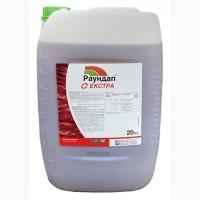
/ Fertilizers and plant protection products / Herbicides / Clinic (Roundup) - herbicide against complex...
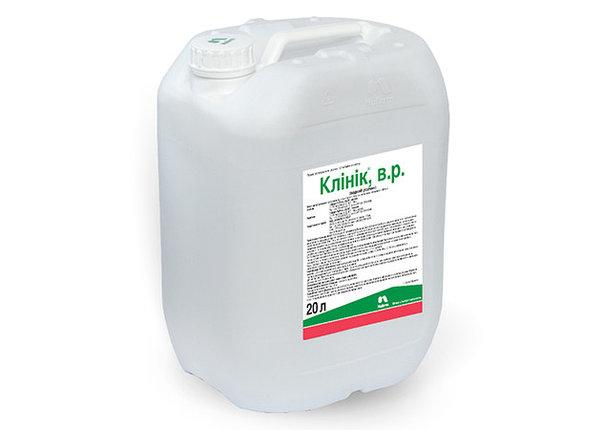
For sale / buy
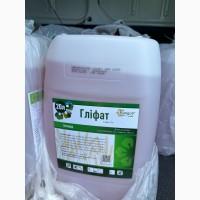
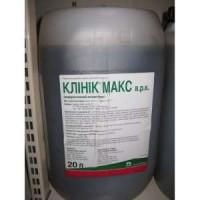
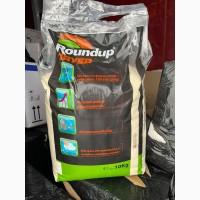
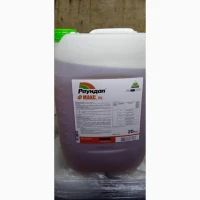
Clinic (Roundup) - herbicide against a complex of weeds and desiccation of cereals and sunflowers, Kyivska region.
Price6$
Region:all of Ukraine,
Kyiv region.
(Vyshhorodok)
Updated:
Herbicide Clinic (Roundup) Nufarm.
Active substance: Isopropylamine salt of glyphosate, 480 g/l
Preparative form: Aqueous solution
Volume: canister 20(l), the price is for 1 l.
Mechanism of action:
The drug disrupts the synthesis of a plant enzyme, which is important for the formation of amino acids, and subsequently proteins, which leads to the complete death of plants.
Absorption and movement in the plant:
The drug is absorbed by leaves and green shoots within 4-6 hours after application and moves through the plant acting on various enzyme systems, preventing the formation of amino acids and other important endogenous substances. Through the vessels, the drug moves to the underground part of the plants, preventing the regrowth of perennial weeds.
Application features:
To achieve optimal effectiveness, the drug should be used during the period of active weed growth under favorable weather conditions. To destroy annual grass and broad-leaved weeds, spraying is carried out when they are 5 cm high or in phase 2 of real leaves, for perennial grasses at a height of 10-20 cm, for perennial broad-leaved weeds - before or during the flowering period, but before the beginning of their physiological aging.
Advantages:
Highly effective against the most harmful weeds - wheatgrass and thistle
Wide range of use as adesiccant and continuous action herbicide
Does not affect crop rotation
Effectively destroys terrestrial organs and the root system of weeds.
Allowed for use by the aviation method.
Application Clinic:
*Culture * object to be processed * Object against which to process * Drug consumption rate, l/ha * Method, time of processing, restrictions
* Fields intended for sowing spring cereals (wheat, barley)
-Annual and perennial grass and dicotyledonous weeds
-4.0-5.0
- Spraying of growing weeds in autumn after harvesting the predecessor.
* Fields intended for corn, potato, soybean, sunflower, rapeseed, alfalfa, flax, vegetable, melon crops
-Annual and perennial weeds
-2.0-5.0
- Spraying of vegetative weeds in the spring, 2 weeks before sowing (before spraying, exclude all mechanical soil treatments, except for early spring closing of moisture)
* Pairs
- Annual and perennial cereal and dicotyledonous weeds(//tractor-service.com)
-2.0 -6.0
- Spraying weeds during their active growth.
* Fields intended for sowing spring cereals, sugar beets, sunflowers, potatoes, rapeseed, flax, vegetables, melon crops
-Annual cereal and dicotyledonous weeds
-2.0
- Spraying of growing weeds in autumn after harvesting the predecessor.
* Fields intended for sowing spring cereals, sugar beets, sunflowers, potatoes, rapeseed, flax, vegetables, melon crops
-Perennial grass and dicotyledonous weeds
-4.0-6.0
- Spraying of growing weeds in autumn after harvesting the predecessor.
* Lands of non-agricultural use (exclusion strips of power lines, gas and oil pipelines, roadsides
roads, railway embankments)
-Annual and perennial weeds
-3.0-6.0
- Spraying of growing weeds
Desiccation:
Culture * object being processed * Drug consumption rate,
l/ha * Method, processing time, limitations
* Spring and winter rapeseed
-3.0 + 0.6-1.0 South Africa Spodnam 554
-Spraying crops when 70% of the pods in the crop turn brown.
* Cereals
-3.0 + 0.6-1.0 South Africa Spodnam 554
-Spraying of crops two weeks before harvesting, with grain humidity of no more than 30%
* Sunflower*
-3.0 + 0.6-1.0 South Africa Spodnam 554
-Spraying crops in the browning phase of the baskets
*Clinic, v. approved for use for aviation processing on sunflowers
Active substance: Isopropylamine salt of glyphosate, 480 g/l
Preparative form: Aqueous solution
Volume: canister 20(l), the price is for 1 l.
Mechanism of action:
The drug disrupts the synthesis of a plant enzyme, which is important for the formation of amino acids, and subsequently proteins, which leads to the complete death of plants.
Absorption and movement in the plant:
The drug is absorbed by leaves and green shoots within 4-6 hours after application and moves through the plant acting on various enzyme systems, preventing the formation of amino acids and other important endogenous substances. Through the vessels, the drug moves to the underground part of the plants, preventing the regrowth of perennial weeds.
Application features:
To achieve optimal effectiveness, the drug should be used during the period of active weed growth under favorable weather conditions. To destroy annual grass and broad-leaved weeds, spraying is carried out when they are 5 cm high or in phase 2 of real leaves, for perennial grasses at a height of 10-20 cm, for perennial broad-leaved weeds - before or during the flowering period, but before the beginning of their physiological aging.
Advantages:
Highly effective against the most harmful weeds - wheatgrass and thistle
Wide range of use as adesiccant and continuous action herbicide
Does not affect crop rotation
Effectively destroys terrestrial organs and the root system of weeds.
Allowed for use by the aviation method.
Application Clinic:
*Culture * object to be processed * Object against which to process * Drug consumption rate, l/ha * Method, time of processing, restrictions
* Fields intended for sowing spring cereals (wheat, barley)
-Annual and perennial grass and dicotyledonous weeds
-4.0-5.0
- Spraying of growing weeds in autumn after harvesting the predecessor.
* Fields intended for corn, potato, soybean, sunflower, rapeseed, alfalfa, flax, vegetable, melon crops
-Annual and perennial weeds
-2.0-5.0
- Spraying of vegetative weeds in the spring, 2 weeks before sowing (before spraying, exclude all mechanical soil treatments, except for early spring closing of moisture)
* Pairs
- Annual and perennial cereal and dicotyledonous weeds(//tractor-service.com)
-2.0 -6.0
- Spraying weeds during their active growth.
* Fields intended for sowing spring cereals, sugar beets, sunflowers, potatoes, rapeseed, flax, vegetables, melon crops
-Annual cereal and dicotyledonous weeds
-2.0
- Spraying of growing weeds in autumn after harvesting the predecessor.
* Fields intended for sowing spring cereals, sugar beets, sunflowers, potatoes, rapeseed, flax, vegetables, melon crops
-Perennial grass and dicotyledonous weeds
-4.0-6.0
- Spraying of growing weeds in autumn after harvesting the predecessor.
* Lands of non-agricultural use (exclusion strips of power lines, gas and oil pipelines, roadsides
roads, railway embankments)
-Annual and perennial weeds
-3.0-6.0
- Spraying of growing weeds
Desiccation:
Culture * object being processed * Drug consumption rate,
l/ha * Method, processing time, limitations
* Spring and winter rapeseed
-3.0 + 0.6-1.0 South Africa Spodnam 554
-Spraying crops when 70% of the pods in the crop turn brown.
* Cereals
-3.0 + 0.6-1.0 South Africa Spodnam 554
-Spraying of crops two weeks before harvesting, with grain humidity of no more than 30%
* Sunflower*
-3.0 + 0.6-1.0 South Africa Spodnam 554
-Spraying crops in the browning phase of the baskets
*Clinic, v. approved for use for aviation processing on sunflowers
|
Store, contacts | |
Yuriy / reviews, info. / evaluation activities | |
|
Phone:
+38(xxxxxx
show
| |
All ads user ~1000 | |
Ad ID: #888917
(added by registered user, registration date: 2016-08-10)
Added / Updated: 2016-09-23 09:21 (current, until: 09-23-2027)
Permanent Ad Address:
Impressions / views for today: ?, total: ?
Similar ads
Among them there are many interesting ones...
Filters: Roundup