/ Fertilizers and plant protection products / Insecticides / BI 58 nowy 400 EC (Bi 58 новый) 1l - systemic...

Sell / buy
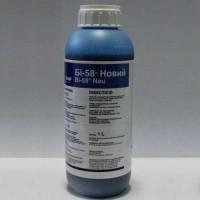
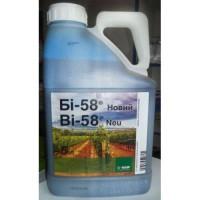
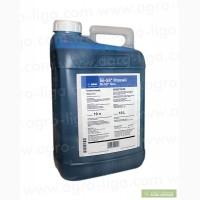
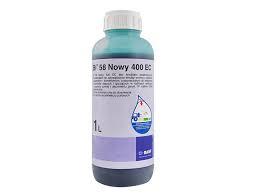
BI 58 nowy 400 EC (Бы 58 новый) 1l - broad-spectrum systemic contact insect acaricide, Volyn region.
Price410 UAH.
Region:all Ukraine,
Volyn region.
Updated:
BI 58 nowy 400 EC (Бы 58 новый)
broad-spectrum systemic-contact insectoacaricide
By 58 is a new, highly effective systemic contact insect acaricide of a wide spectrum of action for the fight against harmful insects and ticks.
Preparative form:
Emulsion concentrate (KE)
Active substance:
400.0 g/l dimethoate
Advantages of By 58(//tractor-service.com)
Protection of culture from all groups of insects and mites
A long period of protective action thanks to a combination of contact and systemic activity.
Possibility of application in a wide range of temperatures.
Absence of phytotoxicity
Good compatibility in tank mixtures withfungicides
An ideal partner for tank mixtures with pyrethroids (FASTAK)
Instructions for use, as well as the dosage of the BI-58 insecticide are new: a contact-intestinal insecticide and acaricide that has a systemic effect with high initial toxicity. The toxic effect of the drug on insects is due to the inhibition of acetylcholinesterase activity in the cholinergic synapses of the nervous system. The drug moves through the xylem inside the plant. The duration of protective action in field conditions is up to 15–20 days. The drug disappears from the surface of plants within 2–3 days, and remains in the soil for up to 12 months. In the recommended concentrations, the drug is non-phytotoxic. May cause burns of leaves of decorative plants and hops, as well as crops in protected soil conditions. In high concentrations, it causes a strong phytocidal effect. You can buy the insecticide By 58 new at Novosad.
The drug can be combined with fungicides that have an acidic and neutral pH reaction.
It is produced in the form of a 40% emulsion concentrate.
BY-58 new, 400 g/l c.e. recommended for spraying during the vegetation period of spring and winter wheat (1.5 l/ha, twice) against cereal flies, aphids and thrips, the harmful turtle bug, leeches; winter rye, spring and winter barley, oats (1.0–1.2 l/ha, twice) against leeches, cereal flies, thrips and aphids; millet (0.7–1.0 l/ha, twice) against mosquitoes, aphids; seminalpotato planting (1.5–2.0 l/ha, twice) against potato moth, (1.5–2.5 l/ha, twice) against aphids; linseed for technical purposes (0.5–1.0 l/ha, twice) against fruit rot, thrips, scoop-gamma; of winter rapeseed (1.0 l/ha, once) against the cabbage stem borer; sugar and fodder beets (0.5–1.0 l/ha, twice) against bugs, aphids, fleas, mining flies and moths, ticks, leafhoppers, carrion eaters; table beets (0.5–0.8 l/ha, twice) against the same pests;grain beans (0.5–1.0 l/ha, twice) against legume firefly, pea fruit blight, aphids; alfalfa seed crops (0.5–1.0 l/ha, twice) against bugs, aphids, alfalfa thrips, mites; seed crops of vegetable crops (0.5–1.0 l/ha, twice) against mites, aphids, thrips, bugs; grapes (1.2–3.0 l/ha, twice) against mites, worms, leafhoppers; nurseries and nurseries of currants (1.2–1.6 l/ha, twice) against aphids, leafhoppers, and whiteflies; raspberry nurseries (0.6–1.2 l/ha, twice) against ticks, aphids, leafhoppers, gall mites; tobacco, shags (0.8–1.0 l/ha, twice) against aphids, thrips; hops (1.5–6.0 l/ha, twice) against scoops, aphids, meadow moths, sawflies, mites; lavender (1.0–1.2 l/ha, twice) against leafhoppers. It is allowed to spray lupine seed crops at the beginning of flowering (0.8 l/ha, once) against stem-mining flies, aphids; in the budding phase of clover seed crops (0.8–1.0 l/ha, twice) against bugs, aphids; at the end of stalking and at the end of budding of meadow clover seed crops (0.8 l/ha, twice) against clover seed eaters; before the flowering of seed crops of spring and winter rape (0.8–1.0 l/ha, once) against the rape flower-eater; before and after flowering of apple and pear (0.8–2.0 l/ha, twice) against leafhoppers, moths, leaf-gnawing caterpillars, fruit borers, aphids, honey bees, scale insects, false scale insects, beetles, mites; after plum blossoming (1.2–2.0 l/ha, once) against mites, aphids, sawflies.
broad-spectrum systemic-contact insectoacaricide
By 58 is a new, highly effective systemic contact insect acaricide of a wide spectrum of action for the fight against harmful insects and ticks.
Preparative form:
Emulsion concentrate (KE)
Active substance:
400.0 g/l dimethoate
Advantages of By 58(//tractor-service.com)
Protection of culture from all groups of insects and mites
A long period of protective action thanks to a combination of contact and systemic activity.
Possibility of application in a wide range of temperatures.
Absence of phytotoxicity
Good compatibility in tank mixtures withfungicides
An ideal partner for tank mixtures with pyrethroids (FASTAK)
Instructions for use, as well as the dosage of the BI-58 insecticide are new: a contact-intestinal insecticide and acaricide that has a systemic effect with high initial toxicity. The toxic effect of the drug on insects is due to the inhibition of acetylcholinesterase activity in the cholinergic synapses of the nervous system. The drug moves through the xylem inside the plant. The duration of protective action in field conditions is up to 15–20 days. The drug disappears from the surface of plants within 2–3 days, and remains in the soil for up to 12 months. In the recommended concentrations, the drug is non-phytotoxic. May cause burns of leaves of decorative plants and hops, as well as crops in protected soil conditions. In high concentrations, it causes a strong phytocidal effect. You can buy the insecticide By 58 new at Novosad.
The drug can be combined with fungicides that have an acidic and neutral pH reaction.
It is produced in the form of a 40% emulsion concentrate.
BY-58 new, 400 g/l c.e. recommended for spraying during the vegetation period of spring and winter wheat (1.5 l/ha, twice) against cereal flies, aphids and thrips, the harmful turtle bug, leeches; winter rye, spring and winter barley, oats (1.0–1.2 l/ha, twice) against leeches, cereal flies, thrips and aphids; millet (0.7–1.0 l/ha, twice) against mosquitoes, aphids; seminalpotato planting (1.5–2.0 l/ha, twice) against potato moth, (1.5–2.5 l/ha, twice) against aphids; linseed for technical purposes (0.5–1.0 l/ha, twice) against fruit rot, thrips, scoop-gamma; of winter rapeseed (1.0 l/ha, once) against the cabbage stem borer; sugar and fodder beets (0.5–1.0 l/ha, twice) against bugs, aphids, fleas, mining flies and moths, ticks, leafhoppers, carrion eaters; table beets (0.5–0.8 l/ha, twice) against the same pests;grain beans (0.5–1.0 l/ha, twice) against legume firefly, pea fruit blight, aphids; alfalfa seed crops (0.5–1.0 l/ha, twice) against bugs, aphids, alfalfa thrips, mites; seed crops of vegetable crops (0.5–1.0 l/ha, twice) against mites, aphids, thrips, bugs; grapes (1.2–3.0 l/ha, twice) against mites, worms, leafhoppers; nurseries and nurseries of currants (1.2–1.6 l/ha, twice) against aphids, leafhoppers, and whiteflies; raspberry nurseries (0.6–1.2 l/ha, twice) against ticks, aphids, leafhoppers, gall mites; tobacco, shags (0.8–1.0 l/ha, twice) against aphids, thrips; hops (1.5–6.0 l/ha, twice) against scoops, aphids, meadow moths, sawflies, mites; lavender (1.0–1.2 l/ha, twice) against leafhoppers. It is allowed to spray lupine seed crops at the beginning of flowering (0.8 l/ha, once) against stem-mining flies, aphids; in the budding phase of clover seed crops (0.8–1.0 l/ha, twice) against bugs, aphids; at the end of stalking and at the end of budding of meadow clover seed crops (0.8 l/ha, twice) against clover seed eaters; before the flowering of seed crops of spring and winter rape (0.8–1.0 l/ha, once) against the rape flower-eater; before and after flowering of apple and pear (0.8–2.0 l/ha, twice) against leafhoppers, moths, leaf-gnawing caterpillars, fruit borers, aphids, honey bees, scale insects, false scale insects, beetles, mites; after plum blossoming (1.2–2.0 l/ha, once) against mites, aphids, sawflies.
|
Author, contacts | |
Sergiy / feedback, info. / evaluation of activity | |
|
Phone:
+380xxxxxx
show
| |
All user ads ~117 | |
Ad ID: #874979
(added by a registered user, registration date: 12-12-2018)
Added/Updated: 02-18-2025 11:12 (current, until: 18-02-2026)
Permanent Ad Address:
Impressions / views for today: ?, total: ?
Similar ads
Among them there are many interesting ones...