/ Fertilizers and plant protection products / Herbicides / Lontrel 300 - herbicide for protection of cereals...

For sale / buy
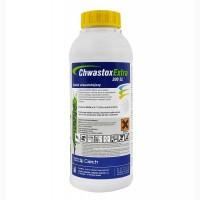
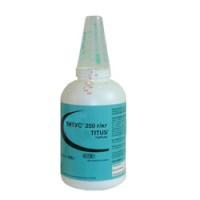
Lontrel 300 - herbicide to protect cereals, corn, vegetables, rape/beetroot from weeds, Kyiv region.
Price29$
Region:all Ukraine,
Kyiv region.
(Vyshgorodok)
Updated:
Lontrel 300 - selective herbicide for the protection of sugar beets, rapeseed,cereals corn, corn and vegetables from thistles and other dicots weeds
Active substance: clopyralid 300 g / l
Drug form: aqueous solution
Rate of consumption of working fluid: 150 - 400 l / ha.
Packaging: 5 liter canister, the price is for 1 liter.
Advantages:
- well controls all types of thistles
- clears the fields of weeds for the following crop rotations
- suppresses growth within a few hours after treatment.
- an excellent partner for tank mixes
- resistance to precipitation one hour after application.
- there is no phytotoxicity (if the application regulations are followed)
- there are no restrictions on crop rotation
Regulations for the use of Lontrel 300:
Wheat, barley, millet, oats
Consumption rate, kg/ha - 0.16-0.66
Spectrum of action - Annual and dicotyledonous perennial weeds.
Introduction phase - From the budding phase to the beginning of the exit into the tube.
Multiplicity of treatments per season - 1 per season
Rye
Consumption rate, kg/ha - 0.3
Spectrum of action - Annual and dicotyledonous perennial weeds.
Introduction phase - From the budding phase to the beginning of the exit into the tube.
Multiplicity of treatments per season - 1 per season
Corn
Consumption rate, kg/ha - 0.2-1.0
Spectrum of action - Annual and dicotyledonous perennial weeds.
Application phase - Phase 3-5 leaves
Multiplicity of treatments per season - 1 per season
Sugar beets
Consumption rate, kg/ha - 0.3-0.5
Spectrum of action - Annual and dicotyledonous perennial weeds(//tractor-service.com)
Application phase - Appearance of 1-3 true leaves of the culture.
Multiplicity of treatments per season - 1 per season
Rapak
Consumption rate, kg/ha - 0.3-0.5
Spectrum of action - Annual and dicotyledonous perennial weeds.
Application phase - Appearance of the 1st pair of true leaves - before bud formation
Multiplicity of treatments per season - 1 per season
Flax for technical purposes
Consumption rate, kg/ha - 0.1-0.3
Spectrum of action - Annual and dicotyledonous perennial weeds.
Implementation phase - "Christmas tree" phase
Multiplicity of treatments per season - 1 per season
Annual ryegrass
Consumption rate, kg/ha - 0.3
Spectrum of action - Annual and dicotyledonous perennial weeds.
The phase of introduction - Bushing
Multiplicity of treatments per season - 1 per season.
Lavender
Consumption rate, kg/ha - 1.0-1.7
Spectrum of action - Annual and dicotyledonous perennial weeds.
Application phase - Culture growth
Multiplicity of treatments per season - 1 per season
White cabbage
Consumption rate, kg/ha - 0.2-0.5
Spectrum of action - Annual and dicotyledonous perennial weeds.
Application phase - After planting seedlings
Multiplicity of treatments per season - 1 per season
Mechanism of action:
Clopyralid affects the general growth processes occurring in the plant. Clopyralid is a synthetic form of a natural plant hormone, which when used as a herbicide leads to replacement and blocking of the functions of natural plant hormones. At the same time, there is an oversaturation of the synthetic hormone, which ultimately leads to significant disturbances in the growth processes in the plant and, as a result, to its death. Clopyralid quickly penetrates the root system, which provides high efficiency against rhizomatous weeds such as thistles.
Range of action:
Sensitive types of weeds: ragweed, pink thistle, blue cornflower, sow vetch, common bitter gorse, common nettle, field molokan, common marigolds, yellow thistle, garden thistle, self-sowingsunflower, field romance, species of daisies, sow queen, solanum black and others.
Active substance: clopyralid 300 g / l
Drug form: aqueous solution
Rate of consumption of working fluid: 150 - 400 l / ha.
Packaging: 5 liter canister, the price is for 1 liter.
Advantages:
- well controls all types of thistles
- clears the fields of weeds for the following crop rotations
- suppresses growth within a few hours after treatment.
- an excellent partner for tank mixes
- resistance to precipitation one hour after application.
- there is no phytotoxicity (if the application regulations are followed)
- there are no restrictions on crop rotation
Regulations for the use of Lontrel 300:
Wheat, barley, millet, oats
Consumption rate, kg/ha - 0.16-0.66
Spectrum of action - Annual and dicotyledonous perennial weeds.
Introduction phase - From the budding phase to the beginning of the exit into the tube.
Multiplicity of treatments per season - 1 per season
Rye
Consumption rate, kg/ha - 0.3
Spectrum of action - Annual and dicotyledonous perennial weeds.
Introduction phase - From the budding phase to the beginning of the exit into the tube.
Multiplicity of treatments per season - 1 per season
Corn
Consumption rate, kg/ha - 0.2-1.0
Spectrum of action - Annual and dicotyledonous perennial weeds.
Application phase - Phase 3-5 leaves
Multiplicity of treatments per season - 1 per season
Sugar beets
Consumption rate, kg/ha - 0.3-0.5
Spectrum of action - Annual and dicotyledonous perennial weeds(//tractor-service.com)
Application phase - Appearance of 1-3 true leaves of the culture.
Multiplicity of treatments per season - 1 per season
Rapak
Consumption rate, kg/ha - 0.3-0.5
Spectrum of action - Annual and dicotyledonous perennial weeds.
Application phase - Appearance of the 1st pair of true leaves - before bud formation
Multiplicity of treatments per season - 1 per season
Flax for technical purposes
Consumption rate, kg/ha - 0.1-0.3
Spectrum of action - Annual and dicotyledonous perennial weeds.
Implementation phase - "Christmas tree" phase
Multiplicity of treatments per season - 1 per season
Annual ryegrass
Consumption rate, kg/ha - 0.3
Spectrum of action - Annual and dicotyledonous perennial weeds.
The phase of introduction - Bushing
Multiplicity of treatments per season - 1 per season.
Lavender
Consumption rate, kg/ha - 1.0-1.7
Spectrum of action - Annual and dicotyledonous perennial weeds.
Application phase - Culture growth
Multiplicity of treatments per season - 1 per season
White cabbage
Consumption rate, kg/ha - 0.2-0.5
Spectrum of action - Annual and dicotyledonous perennial weeds.
Application phase - After planting seedlings
Multiplicity of treatments per season - 1 per season
Mechanism of action:
Clopyralid affects the general growth processes occurring in the plant. Clopyralid is a synthetic form of a natural plant hormone, which when used as a herbicide leads to replacement and blocking of the functions of natural plant hormones. At the same time, there is an oversaturation of the synthetic hormone, which ultimately leads to significant disturbances in the growth processes in the plant and, as a result, to its death. Clopyralid quickly penetrates the root system, which provides high efficiency against rhizomatous weeds such as thistles.
Range of action:
Sensitive types of weeds: ragweed, pink thistle, blue cornflower, sow vetch, common bitter gorse, common nettle, field molokan, common marigolds, yellow thistle, garden thistle, self-sowingsunflower, field romance, species of daisies, sow queen, solanum black and others.
|
Shop, contacts | |
Yuriy / reviews, info. / evaluation activities | |
|
Phone:
+38(xxxxxx
show
| |
All ads user ~1000 | |
Ad ID: #835659
(added by registered user, registration date: 2016-08-10)
Added / Updated: 2026-09-30 09:18 (current, until: 09-30-2027)
Permanent Ad Address:
Impressions / views for today: ?, total: ?
Similar ads
There are many interesting ones among them...