/ Fertilizers and plant protection products / Complex fertilizers / Boron 168 g/l + Magnesium 8g/l, boron microfertilizer...

Sell / buy
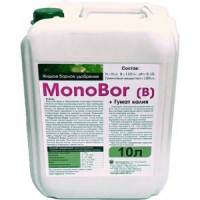
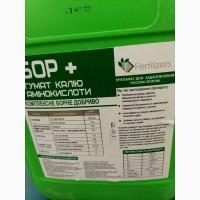
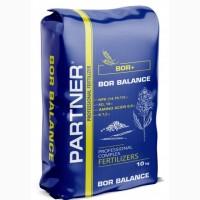
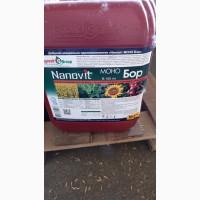
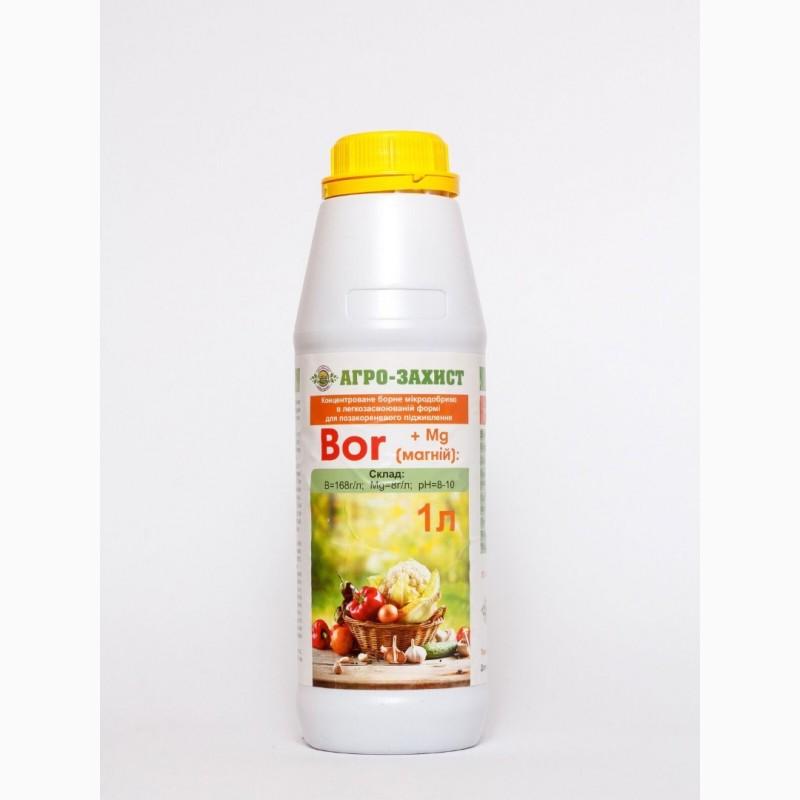
Boron 168 g/l + Magnesium 8g/l, boron microfertilizer, magnesium antistress, Odesa region.
Region:all of Ukraine,
Odesa region.
Liquid boron fertilizer from the manufacturer!
Liquid highly concentrated boron microfertilizer for foliar fertilizing
Composition: B=168g/l; Mg=8 g/l; pH=8-10
Boron is the most important element of plant nutrition and a source of increasing the profitability of crop production.
On soils poor in boron content, the application of boronfertilized increases the yield of agricultural crops by 10-20%. урожайность сельскохозяйственных культур на 10-20%.
Liquid boron microfertilizers "Good Master" provide regular nutrition with boron in the critical phases of plant development, stress resistance and resistance to low temperatures, and also increase the yield and improve the quality of production.
Boron is contained in the highest possible concentration and in an easily digestible and accessible form for plants.
The following crops are most sensitive to boron deficiency: beets (sugar, table, fodder), rapeseed (winter and spring), soybeans, peas, beans, chickpeas, alfalfa, clover, seed crops of legumes, potatoes, tomatoes, carrots, cabbage, cauliflower, celery, broccoli, Brussels sprouts, corn,sunflower, flax, cotton, buckwheat, apple tree, pear, grape, plum, citrus, berry crops.
Boron is involved in the formation of the structure of cell walls and the synthesis of nucleic acids. Sufficient supply of plants with boron increases the intensity of photosynthesis, improves carbohydrate and protein metabolism, activates the activity of enzymes, and has a positive effect on the processes of cell division.
In addition, the product is enriched with sugar, starch, vitamins, plant diseases are reduced. On soils poor in boron content, the application of boron fertilizers increases the yield of agricultural crops by 10-20%.
(//tractor-service.com)
With boron deficiency in plants, the following signs appear:
stoppage of root and stem growth;
chlorosis of the apical growth point, and later, with severe boron starvation, its complete death;
a small amount of flowers and infertility;
the ugly shape of fruits with the formation inside the tissue, etc.
Cereal crops (spring and winter): 0.3 - 0.5 l/ha
Corn: 0.3 - 0.5 l/ha
Sunflower: 0.5 - 1 l/ha
Beetroot (sugar, table and fodder): 1 l/ha
Soy andother legumes crops: 0.5 - 1 l/ha
Rapeseed (spring and winter): 1 - 1.5 l/ha
Vegetable crops: 0.5 - 1 l/ha
Fruit and berry crops: 1 - 2 l/ha
Packaging:
1 liter - 210 hryvnias;
10 liters - 1900 hryvnias.
www.agro-zahist.com.ua
Liquid highly concentrated boron microfertilizer for foliar fertilizing
Composition: B=168g/l; Mg=8 g/l; pH=8-10
Boron is the most important element of plant nutrition and a source of increasing the profitability of crop production.
On soils poor in boron content, the application of boronfertilized increases the yield of agricultural crops by 10-20%. урожайность сельскохозяйственных культур на 10-20%.
Liquid boron microfertilizers "Good Master" provide regular nutrition with boron in the critical phases of plant development, stress resistance and resistance to low temperatures, and also increase the yield and improve the quality of production.
Boron is contained in the highest possible concentration and in an easily digestible and accessible form for plants.
The following crops are most sensitive to boron deficiency: beets (sugar, table, fodder), rapeseed (winter and spring), soybeans, peas, beans, chickpeas, alfalfa, clover, seed crops of legumes, potatoes, tomatoes, carrots, cabbage, cauliflower, celery, broccoli, Brussels sprouts, corn,sunflower, flax, cotton, buckwheat, apple tree, pear, grape, plum, citrus, berry crops.
Boron is involved in the formation of the structure of cell walls and the synthesis of nucleic acids. Sufficient supply of plants with boron increases the intensity of photosynthesis, improves carbohydrate and protein metabolism, activates the activity of enzymes, and has a positive effect on the processes of cell division.
In addition, the product is enriched with sugar, starch, vitamins, plant diseases are reduced. On soils poor in boron content, the application of boron fertilizers increases the yield of agricultural crops by 10-20%.
(//tractor-service.com)
With boron deficiency in plants, the following signs appear:
stoppage of root and stem growth;
chlorosis of the apical growth point, and later, with severe boron starvation, its complete death;
a small amount of flowers and infertility;
the ugly shape of fruits with the formation inside the tissue, etc.
Cereal crops (spring and winter): 0.3 - 0.5 l/ha
Corn: 0.3 - 0.5 l/ha
Sunflower: 0.5 - 1 l/ha
Beetroot (sugar, table and fodder): 1 l/ha
Soy andother legumes crops: 0.5 - 1 l/ha
Rapeseed (spring and winter): 1 - 1.5 l/ha
Vegetable crops: 0.5 - 1 l/ha
Fruit and berry crops: 1 - 2 l/ha
Packaging:
1 liter - 210 hryvnias;
10 liters - 1900 hryvnias.
www.agro-zahist.com.ua
Ad ID: #796095
(added by registered by the user)
Permanent Ad Address:
Impressions / views for today: ?, total: ?
Similar recent ads
There are many interesting ones among them...