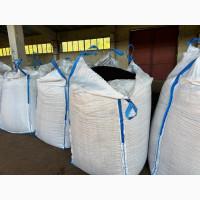
/ Fertilizers and plant protection products / Organic fertilizers / Organic fertilizers "AGRO-ORGANIC" in bags (granules)...


For sale / buy
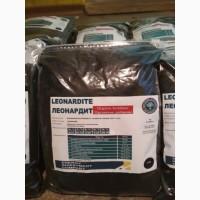
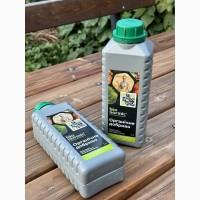
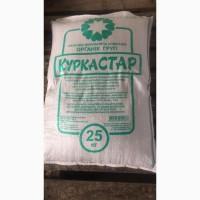
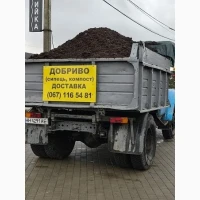
Organic fertilizers "AGRO-ORGANIC" in bags (granules) 1 ton, Poltava region.
Region:all of Ukraine,
Poltava region.
(Ukraine, Poltava region. Dykansky district)
Fertilizer #1 in Ukraine from the manufacturer
Services for application to the soil are possible.
The AGRO-ORGANIC company is the leader in the production of organic fertilizers in Ukraine.
Unique technologies
We have developed unique technologies for the production of high-quality fertilizer
100% organic.
Ecologically clean and safe products of the highest biological quality are obtained.
Organic fertilizers "AGRO-ORGANIC"
are produced from composted chicken droppings in accordance with the highest quality indicators of this class of products.
The technological process involves the composting of native litter-free bird droppings and the manufacture of finished products.
"AGRO-ORGANIC" fertilizers
passed biological, toxicological, ecological examination and registration in the Department of Safety of Chemical Substances of the Ministry of Ecology and Natural Resources of Ukraine.
One of the advantages of "Agro-Organic" fertilizers.
there is their environmental friendliness - they undergo heat treatment at a temperature of 70-75°C, which kills pathogenic microflora, helminths and the germination of weed seeds.
Field experiments conducted by the Institute of Soil Science and Agrochemistry of the National Academy of Sciences of Ukraine showed that with the use of "AGRO-ORGANIC" fertilizers, it is possible to count on obtaining increases in the grain of corn, barley, sunflower seeds, potato tubers, sugar beet roots and other crops in the range of 10-25%.
"AGRO-ORGANIC" - brand #1 in Ukraine
Highest quality
Ecologically clean and safe products of the highest biological quality are obtained. 100% organic fertilizer. A guarantee of receiving an ecologically clean harvest.
Useful for all cultures
The biological productivity of crops increases. The resistance of plants against pests and environmental pollution increases.
No weeds
Seed germination is accelerated. Prevents the emergence of weeds. Does not contain pathogenic microflora. 2-3 times more effective than any known fertilizers.
(//tractor-service.com)
Let's restore soil fertility
The agrochemical and biological properties of the soil are improved. After applying fertilizers to the soil, a positive effect is observed within 3 years.
Composting is a natural process of decomposition of organic substances by microorganisms under controlled conditions. Raw materials are organic materials, such as plant residues, livestock waste, and food waste. Compost is a rich source of organic matter. Soil organic matter plays an important role in maintaining soil fertility and, therefore, in ensuring sustainable agricultural production. In addition to being a source of nutrition for plants, it improves the physico-chemical and biological properties of the soil. As a result, the soil becomes more resistant to stresses such as drought, disease and toxicity; plant access to nutrients is improved and nutrient cycling is improved through microbial activity. These benefits are manifested in reduced risks, higher yields and lower fertilizer costs for farmers.
In our case, the raw materials formaking compost arechicken droppings and corn leaves. No additives, organic or mineral, or process accelerators are added during composting. The composting process is similar to what happens in nature. Composting is a biological process, which in our case takes place under aerobic conditions (in the presence of oxygen). During the composting process, the technological parameters of the process are controlled, the most important of which are humidity and temperature. Composting can be imagined as the sum of complex metabolic processes performed by various microorganisms in the presence of oxygen, which use nitrogen and carbon of raw materials to produce their own biomass. The composting process ensures the transformation of organic residues into a homogeneous and easily assimilated material by plants. Human intervention consists only in the fact that, according to the technological process, depending on its parameters, the organic mass is watered with water and this mass is mixed mechanically. The process takes place outdoors for 3-4 months. Further, the compost is crushed and sifted. Its granulation is possible. No additives other than water are added to the compost, although there is a technological possibility of adding various nutrients. The composting process begins with the formation of sides with a height of about 1.5 m. During the formation of burt, chicken droppings are mixed with corn leaves. At the first stage, mesophilic organisms multiply rapidly (optimal growth temperature range 20-45 ° C) on readily available sugars and amino acids. They generate heat through their own metabolism and raise the temperature to the point where their own activity becomes suppressed. Then a few thermophilic fungi and a few thermophilic bacteria (optimal growth temperature range = 50-70 ° C or more) continue the process, raising the temperature of the compost to 65 ° C or higher. This peak heating phase is important for compost quality because high temperatures kill pathogens and weed seeds.
Next, the active stage of composting passes into the ripening stage. The temperature of the compost gradually decreases. At this stage, another group of thermophilic fungi begins to grow. These fungi cause the main phase of decomposition of plant cell wall materials such as cellulose and hemicellulose.
Eventually, the temperature drops to the ambient temperature. By that time, composting is complete,compost becomes more homogeneous and less biologically active although mesophilic organisms fill the compost. The material becomes dark brown to black. The particles are reduced in size and become consistent and soil-like in texture. In this process, the amount of humus increases, the ratio of carbon to nitrogen (C: N) decreases, pH is neutralized,
Compost is produced according to TU U20.1-39386384-001:2015
The main physical and chemical indicators of compost are as follows:
The mass fraction of organic matter is 40-90%
Mass fraction of trace elements nitrogen (N) - 0.5-4.0%, phosphorus (P2O5) - 0.3 6.0%, potassium (K2O) - 0.5-4.0%$
Acidity (PH) - 6.0-8.5
The wide variation in the composition of compost is explained by the high dependence on raw materials and the lack of human influence on it. For this reason, the chemical composition of each batch of compost is different. Appendix 1 shows the indicators of one of the batches of compost.
The main advantages that contribute to the mass application of compost are that it :
- restores depleted soils;
- improves soil structure;
- ensures obtaining ecologically clean products:
- -provides plants with basic nutritional macroelements.
- it also contains micronutrients and organic matter;
- - the composting process reduces environmental pollution due to binding of separate manure components. The atmosphere is almost not polluted with nitrogen, macro- and microelements do not pollute groundwater.
In Ukraine, compost is primarily considered, unfortunately, only as a source of nutrients for plants. The main nutrients are nitrogen, phosphorus and potassium. Their content in compost is lower than in synthetic fertilizers. For the first applications of compost, the application rates are calculated based on the application rates of these nutrients, which are developed in each individual case depending on the culture, soil, predecessors, etc. As a rule, the calculation is made for one of the main nutrients N, P or K. To maintain the ratio of the application rates of the main nutrients, a combination of organic and non-organic fertilizers is possible when applying. In addition to basic trace elements, compost also contains trace elements that plants need. These are copper, zinc, manganese, iron, nickel, cobalt. One of the main advantages of compost as a fertilizer is that it has a prolonging effect of these elements on the plant. That is, it provides the plant with nutrients throughout the growing season.
However, more important than the effect of nutrients is the physical effect of compost on the soil. Organic components of compost improve the ratio of air and water in it, thereby increasing its ability to retain moisture and ensure the development of the root system of plants.
Compost plays an important role in land reclamation. The use of compost contributes to solving the problem of land restoration in areas where the top layer of soil has been lost during open mining. It is the application of compost that can stop erosion and provide the soil with a substrate on which the plant cover will hold. In a similar way, you can protect the slopes of hills and surfaces exposed by fire.
What is characteristic of compost and how does its introduction differ from the introduction of manure in its pure form? During composting, partial hydrolysis of organic matter takes place and the released ammonia is adsorbed by the mass of compost, and not lost. At the same time, poorly soluble nutrients (macro- and microelements) are transformed into easily accessible forms for the plant. Their losses are also reduced, unlike if the process took place in the ground. During this process in the soil, part of the nitrogen in the nitrate form (NO3) would pass into the atmosphere, and the part in the ammonia form (NH4) would connect with the soil complex. And only the rest (about 40%) would be absorbed by plants.
Services for application to the soil are possible.
The AGRO-ORGANIC company is the leader in the production of organic fertilizers in Ukraine.
Unique technologies
We have developed unique technologies for the production of high-quality fertilizer
100% organic.
Ecologically clean and safe products of the highest biological quality are obtained.
Organic fertilizers "AGRO-ORGANIC"
are produced from composted chicken droppings in accordance with the highest quality indicators of this class of products.
The technological process involves the composting of native litter-free bird droppings and the manufacture of finished products.
"AGRO-ORGANIC" fertilizers
passed biological, toxicological, ecological examination and registration in the Department of Safety of Chemical Substances of the Ministry of Ecology and Natural Resources of Ukraine.
One of the advantages of "Agro-Organic" fertilizers.
there is their environmental friendliness - they undergo heat treatment at a temperature of 70-75°C, which kills pathogenic microflora, helminths and the germination of weed seeds.
Field experiments conducted by the Institute of Soil Science and Agrochemistry of the National Academy of Sciences of Ukraine showed that with the use of "AGRO-ORGANIC" fertilizers, it is possible to count on obtaining increases in the grain of corn, barley, sunflower seeds, potato tubers, sugar beet roots and other crops in the range of 10-25%.
"AGRO-ORGANIC" - brand #1 in Ukraine
Highest quality
Ecologically clean and safe products of the highest biological quality are obtained. 100% organic fertilizer. A guarantee of receiving an ecologically clean harvest.
Useful for all cultures
The biological productivity of crops increases. The resistance of plants against pests and environmental pollution increases.
No weeds
Seed germination is accelerated. Prevents the emergence of weeds. Does not contain pathogenic microflora. 2-3 times more effective than any known fertilizers.
(//tractor-service.com)
Let's restore soil fertility
The agrochemical and biological properties of the soil are improved. After applying fertilizers to the soil, a positive effect is observed within 3 years.
Composting is a natural process of decomposition of organic substances by microorganisms under controlled conditions. Raw materials are organic materials, such as plant residues, livestock waste, and food waste. Compost is a rich source of organic matter. Soil organic matter plays an important role in maintaining soil fertility and, therefore, in ensuring sustainable agricultural production. In addition to being a source of nutrition for plants, it improves the physico-chemical and biological properties of the soil. As a result, the soil becomes more resistant to stresses such as drought, disease and toxicity; plant access to nutrients is improved and nutrient cycling is improved through microbial activity. These benefits are manifested in reduced risks, higher yields and lower fertilizer costs for farmers.
In our case, the raw materials formaking compost arechicken droppings and corn leaves. No additives, organic or mineral, or process accelerators are added during composting. The composting process is similar to what happens in nature. Composting is a biological process, which in our case takes place under aerobic conditions (in the presence of oxygen). During the composting process, the technological parameters of the process are controlled, the most important of which are humidity and temperature. Composting can be imagined as the sum of complex metabolic processes performed by various microorganisms in the presence of oxygen, which use nitrogen and carbon of raw materials to produce their own biomass. The composting process ensures the transformation of organic residues into a homogeneous and easily assimilated material by plants. Human intervention consists only in the fact that, according to the technological process, depending on its parameters, the organic mass is watered with water and this mass is mixed mechanically. The process takes place outdoors for 3-4 months. Further, the compost is crushed and sifted. Its granulation is possible. No additives other than water are added to the compost, although there is a technological possibility of adding various nutrients. The composting process begins with the formation of sides with a height of about 1.5 m. During the formation of burt, chicken droppings are mixed with corn leaves. At the first stage, mesophilic organisms multiply rapidly (optimal growth temperature range 20-45 ° C) on readily available sugars and amino acids. They generate heat through their own metabolism and raise the temperature to the point where their own activity becomes suppressed. Then a few thermophilic fungi and a few thermophilic bacteria (optimal growth temperature range = 50-70 ° C or more) continue the process, raising the temperature of the compost to 65 ° C or higher. This peak heating phase is important for compost quality because high temperatures kill pathogens and weed seeds.
Next, the active stage of composting passes into the ripening stage. The temperature of the compost gradually decreases. At this stage, another group of thermophilic fungi begins to grow. These fungi cause the main phase of decomposition of plant cell wall materials such as cellulose and hemicellulose.
Eventually, the temperature drops to the ambient temperature. By that time, composting is complete,compost becomes more homogeneous and less biologically active although mesophilic organisms fill the compost. The material becomes dark brown to black. The particles are reduced in size and become consistent and soil-like in texture. In this process, the amount of humus increases, the ratio of carbon to nitrogen (C: N) decreases, pH is neutralized,
Compost is produced according to TU U20.1-39386384-001:2015
The main physical and chemical indicators of compost are as follows:
The mass fraction of organic matter is 40-90%
Mass fraction of trace elements nitrogen (N) - 0.5-4.0%, phosphorus (P2O5) - 0.3 6.0%, potassium (K2O) - 0.5-4.0%$
Acidity (PH) - 6.0-8.5
The wide variation in the composition of compost is explained by the high dependence on raw materials and the lack of human influence on it. For this reason, the chemical composition of each batch of compost is different. Appendix 1 shows the indicators of one of the batches of compost.
The main advantages that contribute to the mass application of compost are that it :
- restores depleted soils;
- improves soil structure;
- ensures obtaining ecologically clean products:
- -provides plants with basic nutritional macroelements.
- it also contains micronutrients and organic matter;
- - the composting process reduces environmental pollution due to binding of separate manure components. The atmosphere is almost not polluted with nitrogen, macro- and microelements do not pollute groundwater.
In Ukraine, compost is primarily considered, unfortunately, only as a source of nutrients for plants. The main nutrients are nitrogen, phosphorus and potassium. Their content in compost is lower than in synthetic fertilizers. For the first applications of compost, the application rates are calculated based on the application rates of these nutrients, which are developed in each individual case depending on the culture, soil, predecessors, etc. As a rule, the calculation is made for one of the main nutrients N, P or K. To maintain the ratio of the application rates of the main nutrients, a combination of organic and non-organic fertilizers is possible when applying. In addition to basic trace elements, compost also contains trace elements that plants need. These are copper, zinc, manganese, iron, nickel, cobalt. One of the main advantages of compost as a fertilizer is that it has a prolonging effect of these elements on the plant. That is, it provides the plant with nutrients throughout the growing season.
However, more important than the effect of nutrients is the physical effect of compost on the soil. Organic components of compost improve the ratio of air and water in it, thereby increasing its ability to retain moisture and ensure the development of the root system of plants.
Compost plays an important role in land reclamation. The use of compost contributes to solving the problem of land restoration in areas where the top layer of soil has been lost during open mining. It is the application of compost that can stop erosion and provide the soil with a substrate on which the plant cover will hold. In a similar way, you can protect the slopes of hills and surfaces exposed by fire.
What is characteristic of compost and how does its introduction differ from the introduction of manure in its pure form? During composting, partial hydrolysis of organic matter takes place and the released ammonia is adsorbed by the mass of compost, and not lost. At the same time, poorly soluble nutrients (macro- and microelements) are transformed into easily accessible forms for the plant. Their losses are also reduced, unlike if the process took place in the ground. During this process in the soil, part of the nitrogen in the nitrate form (NO3) would pass into the atmosphere, and the part in the ammonia form (NH4) would connect with the soil complex. And only the rest (about 40%) would be absorbed by plants.
Ad ID: #749073
(added by a registered user)
Permanent Ad Address:
Impressions / views for today: ?, total: ?
Similar recent ads
There are many interesting ones among them...