

For sale / buy
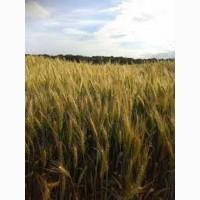
Winter wheat seeds - Nasnaga (high-intensity variety), Dnipropetrovsk region.
Price11 500 UAH.
Region:all of Ukraine,
Dnipropetrovsk region.
(Ul. Vatutyna, 53)
Updated:
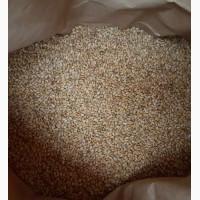
Purpose grains: Sowing material
Quantity: 50 tons
Nasnaga - a high-intensity variety
Originator: Breeding and genetic institute - National center of seed breeding and plant breeding.
In the Register of Plant Varieties of Ukraine since 2015.
Recommended for cultivation in all zones of Ukraine.
Authors: S.P. Lyfenko, M.I. Erinyak, V.P. Fedchenko and others.
Economic and biological characteristics:
• short-stemmed high-intensity type of steppe ecology;
• the average yield over the years of testing in competitive variety tests at the institute was 8.1-8.7 t/ha, which exceeds the indicators of the Kuyalnik standard variety by 0.4-0.6 t/ha. In the state variety test, it exceeded the national standard by 0.2-0.6 t/ha (3.8-13.6%) with a maximum yield of 10.0 t/ha. The genetic potential of the variety is 11.0-12.0 t / ha;
• mid-early, growing season 276-282 days;
• high frost resistance,
• high drought and heat resistance;
• short-stemmed (plant height 90-95 cm) with strong straw, causing high resistance to lying.
• the variety is resistant to rash and germinationgrains in the ear;
• the variety is resistant to damage by the main fungal diseases: resistance to
brown rust (5-6 points),
yellow rust (7-8 points),(//tractor-service.com)
floury rosé (3-4 points),
pyrenophorosis (4-5 points),
corn fusarium (6-7 points).
Grain quality:
- The variety belongs to strong varietieswheat.
- "Power" of flour 430-450 c. a., protein content in grain up to 14.4%, gluten 28.3-30.2%.
- Overall bread rating - 5.0 points.
Approbation signs:
A variety of erythrospermum.
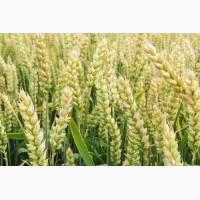
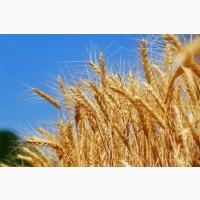
- The spike is spindle-shaped, not pubescent, of medium size (8-9 cm) and density (20-21 segments of the spike rod per 10 cm of its length).
- The spines are white, straight, slightly diverging to the sides, of medium length and coarseness.
- Shoulder of medium width, straight or raised on a scale in the upper part of the ear.
- The grain is red, short, oval, well made (weight of 1000 grains 37-39 g).
- Bangs of medium width, short edges.
Agrotechnical requirements:
The variety is recommended for growing both intensively and conventionally. To realize the high genetic potential of yield, it is desirable to place the variety after the best predecessors in optimal or slightly later sowing times.
Originator: Breeding and genetic institute - National center of seed breeding and plant breeding.
In the Register of Plant Varieties of Ukraine since 2015.
Recommended for cultivation in all zones of Ukraine.
Authors: S.P. Lyfenko, M.I. Erinyak, V.P. Fedchenko and others.
Economic and biological characteristics:
• short-stemmed high-intensity type of steppe ecology;
• the average yield over the years of testing in competitive variety tests at the institute was 8.1-8.7 t/ha, which exceeds the indicators of the Kuyalnik standard variety by 0.4-0.6 t/ha. In the state variety test, it exceeded the national standard by 0.2-0.6 t/ha (3.8-13.6%) with a maximum yield of 10.0 t/ha. The genetic potential of the variety is 11.0-12.0 t / ha;
• mid-early, growing season 276-282 days;
• high frost resistance,
• high drought and heat resistance;
• short-stemmed (plant height 90-95 cm) with strong straw, causing high resistance to lying.
• the variety is resistant to rash and germinationgrains in the ear;
• the variety is resistant to damage by the main fungal diseases: resistance to
brown rust (5-6 points),
yellow rust (7-8 points),(//tractor-service.com)
floury rosé (3-4 points),
pyrenophorosis (4-5 points),
corn fusarium (6-7 points).
Grain quality:
- The variety belongs to strong varietieswheat.
- "Power" of flour 430-450 c. a., protein content in grain up to 14.4%, gluten 28.3-30.2%.
- Overall bread rating - 5.0 points.
Approbation signs:
A variety of erythrospermum.
- The spike is spindle-shaped, not pubescent, of medium size (8-9 cm) and density (20-21 segments of the spike rod per 10 cm of its length).
- The spines are white, straight, slightly diverging to the sides, of medium length and coarseness.
- Shoulder of medium width, straight or raised on a scale in the upper part of the ear.
- The grain is red, short, oval, well made (weight of 1000 grains 37-39 g).
- Bangs of medium width, short edges.
Agrotechnical requirements:
The variety is recommended for growing both intensively and conventionally. To realize the high genetic potential of yield, it is desirable to place the variety after the best predecessors in optimal or slightly later sowing times.
|
Author, contacts | |
OOO "TD "Svarog Agro" / reviews, info./ evaluation of activity | |
|
Phone:
+38(xxxxxx
show
| |
All user ads ~179 | |
Ad ID: #715647
(added by a registered user, registration date: 2016-01-22)
Added / Updated: 09-23-2026 09:40 (current, until: 09-23-2027)
Permanent Ad Address:
Impressions / views for today: ?, total: ?
Similar ads
Among them there are many interesting ones...

Total1059 similar adsin the heading "Wheat"