For sale / buy
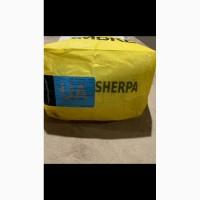
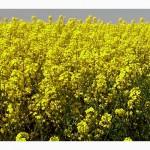
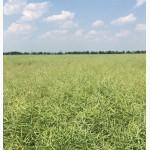
Rapeseed seeds ROSS, winter transgenic Canadian variety, Odesa region.
Price6480 UAH. / bag
Region:all of Ukraine,
Odesa region.
Updated:
Purpose of grain: Seed material
Озимый трансгенный двух nuclear variety of rapeseed ROSS. It was developed by the Canadian SERTIS HOLDING GROUP based on nano-technology, by transforming rapeseed DNA cells and introducing it into the rapeseed kernel. It is used for food purposes due to low glucosinolates - 000 mik. per 1 gram and erucic acid - 0.00%. This variety of winter transgenic rape can be sown 8 years in a row, as it does not lose its qualities in terms of erucic acids and glucosinolates. It was scientifically developed in Canada in 2020, and underwent variety tests for frost resistance and drought resistance in Canada, Norway, China and EU countries, at temperatures from -42 °C to + 50 °C.
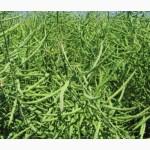
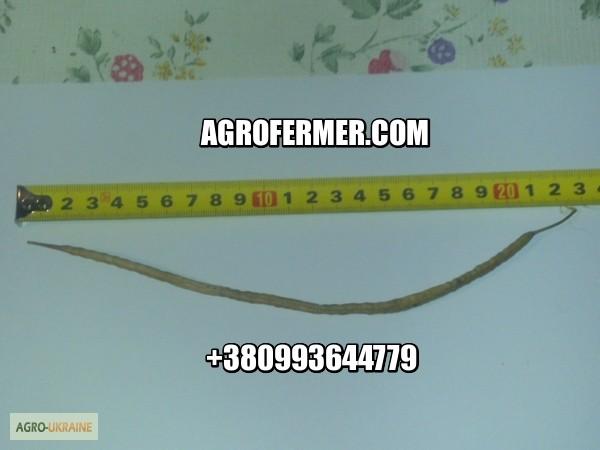
The height of the rape stem is 175 cm. The stem is powerful, the branches are located from the base of the root neck of the rape in length to the top with a slight slope of 40 degrees. Rapeseed leaves and pods are located at a distance of 3.5 cm. The mass of a rapeseed plant is 24 kg.
Distinctive feature of transgenic rapeseed from other common varieties and hybrids of rapeseed.
1) It is distinguished by its high yield, due to the length of the pod, the large number of pods on one plant and the mass of seeds.
2) Contains the NF-Y1r2 t gene from Larix sibirica (larch tree), which can withstand temperatures up to -71 °C. This gene is responsible for frost resistance to -50 °C. during a dry winter, without snow cover in combination with high air humidity and strong hurricane winds.
3) Resistant to abiotic stresses due to increased chromosomal aberrations of LEA genes. It tolerates spring frosts and sharp changes in the temperature background at the stage of full plant development. Thanks to the transformed OSMYB4 gene, it increases frost resistance. Isolated from cryophilic arctic algae, which lives on glaciers and can withstand temperature drops up to - 60 °C.
4) It differs in heat tolerance, resistance to high positive temperatures and direct solar radiation due to two transformed NPK1 CDPK genes from blue-green filamentous algae living in conditions (boiling water + 98 °C) that increase the drought tolerance of rapeseed up to temp. + 52 °C.
5) Increased immunity to diseases due to the D35AH7 gene.
6) High resistance to all insects affecting common varieties and hybrids of rapeseed (such as cabbage aphids, mealybugs, moths, cruciferous fleas, cabbage stem borers, rapeseed sawflies, flower eaters, bedbugs, etc.). Due to the introduction into the structure of the DNA of the transformed tetra gene VEZ 14 isolated from the bitter wormwood plant. In different phases of rapeseed development, when biting the stems or the base of the flowers, leaves, an essential oil with a sharp bitter taste is released, containing thuyl ether, which repels harmful insects, groups of lepidoptera and coleopterans, which eat ordinary varieties and hybrids. This oil is released from the beginning of the emergence of sprouts and lasts until the rapeseed pods are fully matured, and then completely disappears.
7) Resistant to soil salinization due to the transformed stpd1 gene from the green algae Dunaliella salina, which lives in salt lakes with a salt concentration of 285 g/l.
8) This variety is resistant to cracking of the pods, due to the release of white resin from the stalk of the rapeseed that glues the rapeseed pod, which completely envelops the rapeseed pod and prevents it from falling off before full ripeningrapeseed seeds. Thanks to this, rapeseed does not need desiccation and is harvested directly by harvesters.
9) Resistant to lodging due to a strong, powerful stem.
10) This rapeseed is self-pollinating and does not require the presence of bees.
11) The oil content of this type of rape is 55%.
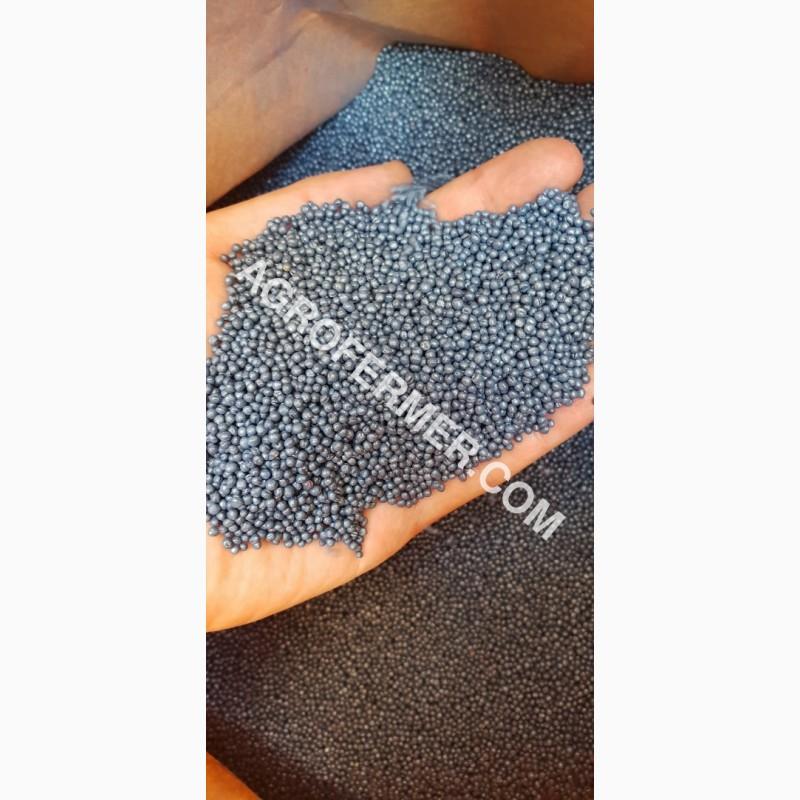
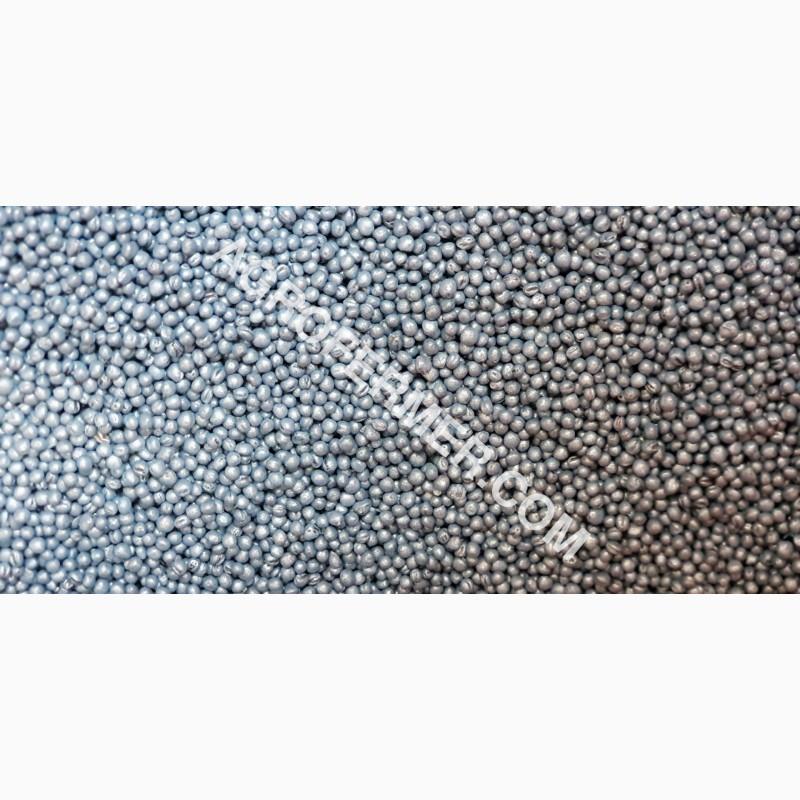
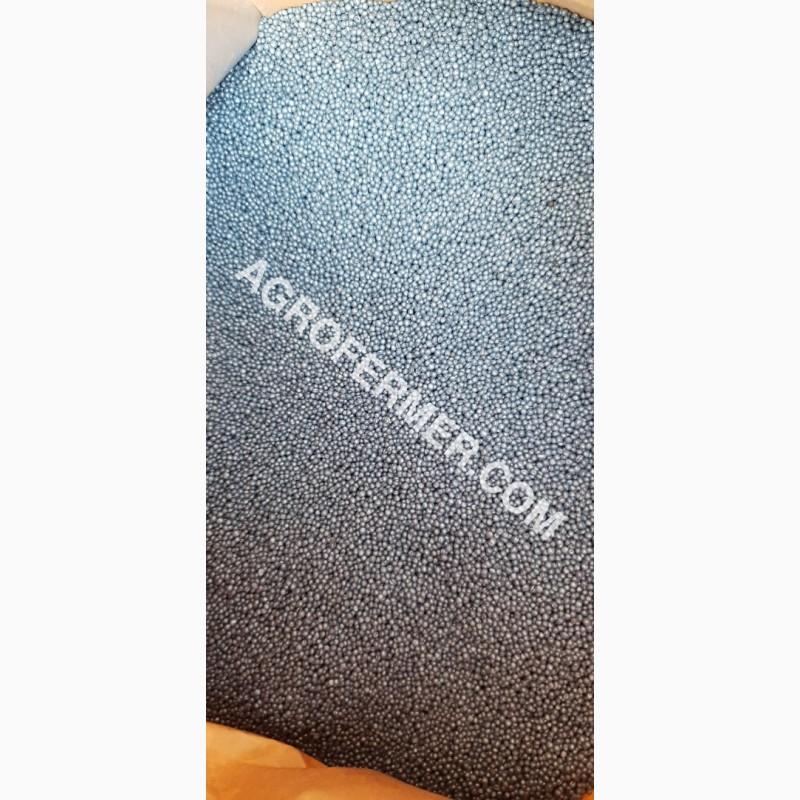
The weight of 1000 seeds is 4.6 grams.
The yield potential of the Canadian ROSS variety is 66 cents.(//tractor-service.com)
Germination — 97%, Germination energy — 97%, Varietal purity — 99.9%, Humidity — 8%
The sowing rate of ROSS winter rape is 4 kg per 1 ha.
Rapeseed is sown to a depth of 2 cm - 3 cm. Herbicides
Гербициды It is not necessary to use herbicides, as this variety creates a strong shadow, covering 1 meter of the sowing area with its leaves. Due to the powerful leaf mass, kills weeds at the root. If necessary, use: Salsa 20/25 grams + Trend 90 200 ml per 1 ha after rapeseed germination, Galera 0.30 grams per 1 ha in any phase of rapeseed development before bud emergence, Butazin Star KS 1.75 l - 2.5 l per 1 ha before sowing or before germination, Lemur KE 1-l, 2.5 l per 1-ha ha in any phase of rapeseed development.
Sowing They start sowing in the Southern regions from July 25 to September 20 inclusive, in the Northern regions from August 1 to September 30.
Udobreniya Potassium nitrate 25 kg per 1 ha is applied when sowing rapeseed, nitroammophoska 200 kg per 1 ha is applied at sowing or after sowing. You can mix nitroammophoska with seeds in a percentage ratio of 1/2 and apply it to the soil.
The vegetation period of the ROSS winter variety is 301 days — early, rapeseed harvesting begins on June 10 and lasts until July 5.
Rapeseed harvest is harvested with Don, Jondyr, Case, Massey — Fergison combine harvesters.
https://agrofermer.com/products/raps/ross/
Our website is agrofermer.com
E-mail -[email protected]
phone +380993644779 - Andrey
We buy the future harvest.
When sowing 500 hectares, we make a prepayment of up to 50%
Delivery: across Ukraine.
https://youtu.be/4AEysb8swZ0
The height of the rape stem is 175 cm. The stem is powerful, the branches are located from the base of the root neck of the rape in length to the top with a slight slope of 40 degrees. Rapeseed leaves and pods are located at a distance of 3.5 cm. The mass of a rapeseed plant is 24 kg.
Distinctive feature of transgenic rapeseed from other common varieties and hybrids of rapeseed.
1) It is distinguished by its high yield, due to the length of the pod, the large number of pods on one plant and the mass of seeds.
2) Contains the NF-Y1r2 t gene from Larix sibirica (larch tree), which can withstand temperatures up to -71 °C. This gene is responsible for frost resistance to -50 °C. during a dry winter, without snow cover in combination with high air humidity and strong hurricane winds.
3) Resistant to abiotic stresses due to increased chromosomal aberrations of LEA genes. It tolerates spring frosts and sharp changes in the temperature background at the stage of full plant development. Thanks to the transformed OSMYB4 gene, it increases frost resistance. Isolated from cryophilic arctic algae, which lives on glaciers and can withstand temperature drops up to - 60 °C.
4) It differs in heat tolerance, resistance to high positive temperatures and direct solar radiation due to two transformed NPK1 CDPK genes from blue-green filamentous algae living in conditions (boiling water + 98 °C) that increase the drought tolerance of rapeseed up to temp. + 52 °C.
5) Increased immunity to diseases due to the D35AH7 gene.
6) High resistance to all insects affecting common varieties and hybrids of rapeseed (such as cabbage aphids, mealybugs, moths, cruciferous fleas, cabbage stem borers, rapeseed sawflies, flower eaters, bedbugs, etc.). Due to the introduction into the structure of the DNA of the transformed tetra gene VEZ 14 isolated from the bitter wormwood plant. In different phases of rapeseed development, when biting the stems or the base of the flowers, leaves, an essential oil with a sharp bitter taste is released, containing thuyl ether, which repels harmful insects, groups of lepidoptera and coleopterans, which eat ordinary varieties and hybrids. This oil is released from the beginning of the emergence of sprouts and lasts until the rapeseed pods are fully matured, and then completely disappears.
7) Resistant to soil salinization due to the transformed stpd1 gene from the green algae Dunaliella salina, which lives in salt lakes with a salt concentration of 285 g/l.
8) This variety is resistant to cracking of the pods, due to the release of white resin from the stalk of the rapeseed that glues the rapeseed pod, which completely envelops the rapeseed pod and prevents it from falling off before full ripeningrapeseed seeds. Thanks to this, rapeseed does not need desiccation and is harvested directly by harvesters.
9) Resistant to lodging due to a strong, powerful stem.
10) This rapeseed is self-pollinating and does not require the presence of bees.
11) The oil content of this type of rape is 55%.
The weight of 1000 seeds is 4.6 grams.
The yield potential of the Canadian ROSS variety is 66 cents.(//tractor-service.com)
Germination — 97%, Germination energy — 97%, Varietal purity — 99.9%, Humidity — 8%
The sowing rate of ROSS winter rape is 4 kg per 1 ha.
Rapeseed is sown to a depth of 2 cm - 3 cm. Herbicides
Гербициды It is not necessary to use herbicides, as this variety creates a strong shadow, covering 1 meter of the sowing area with its leaves. Due to the powerful leaf mass, kills weeds at the root. If necessary, use: Salsa 20/25 grams + Trend 90 200 ml per 1 ha after rapeseed germination, Galera 0.30 grams per 1 ha in any phase of rapeseed development before bud emergence, Butazin Star KS 1.75 l - 2.5 l per 1 ha before sowing or before germination, Lemur KE 1-l, 2.5 l per 1-ha ha in any phase of rapeseed development.
Sowing They start sowing in the Southern regions from July 25 to September 20 inclusive, in the Northern regions from August 1 to September 30.
Udobreniya Potassium nitrate 25 kg per 1 ha is applied when sowing rapeseed, nitroammophoska 200 kg per 1 ha is applied at sowing or after sowing. You can mix nitroammophoska with seeds in a percentage ratio of 1/2 and apply it to the soil.
The vegetation period of the ROSS winter variety is 301 days — early, rapeseed harvesting begins on June 10 and lasts until July 5.
Rapeseed harvest is harvested with Don, Jondyr, Case, Massey — Fergison combine harvesters.
https://agrofermer.com/products/raps/ross/
Our website is agrofermer.com
E-mail -[email protected]
phone +380993644779 - Andrey
We buy the future harvest.
When sowing 500 hectares, we make a prepayment of up to 50%
Delivery: across Ukraine.
https://youtu.be/4AEysb8swZ0
|
Store, contacts | |
Andrei Valerevich / feedback, info. / activity evaluation | |
|
Telephone:
+380xxxxxx
show
| |
All user ads ~40 | |
Ad ID: #702865
(added by a registered user, registration date: 2012-07-24)
Added/Updated: 09-18-2026 15:21 (current, until: 18-09-2027)
Permanent Ad Address:
Impressions / views for today: ?, total: ?
Similar ads
Among them there are many interesting ones...