/ Agricultural machinery, equipment, inventory / Soil cultivation equipment / Harrows / Harrow-hoe rotary harrow CASE...


Sell / buy
bu (used)
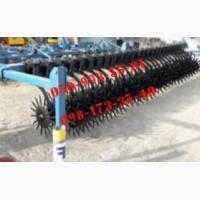
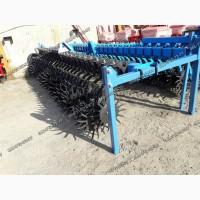
Harrow-hoe rotary harrow CASE 9m. hinged from USA, Odesa region.
Price10000$
Region:all of Ukraine,
Odesa region.
(Odessa)
Updated:
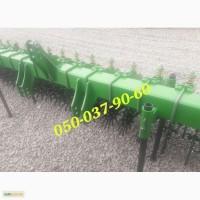
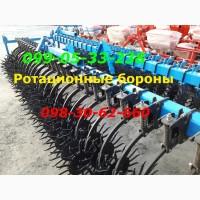
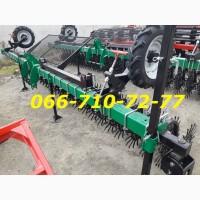
Rotary harrow
It is intended for pre-emergence and post-emergence harrowing of field crops (cereal, fallow, technical crops) with the purpose of:
of surface loosening and soil aeration.
destruction of filamentous weed entrances(//tractor-service.com)
The working organs of the hoe create an ideal background for the initial development of the root system of plants, they mulch the upper layer of the soil well, destroying the soil crust, thereby preserving moisture, and they destroy filamentous roots of weeds up to 100% at speeds of up to 20 km/h.
This makes it possible to switch to herbicide-free technology. When a monolithic soil crust appears on the early seedlings of cultivated plants, for example, corn at the stage of 2-3 leaves, when the use of tooth harrows is impossible, the efficiency of using a hoe increases sharply.
On corn crops with the use of a BMR hoe for treatment on seedlings (the "spike" stage) and in the 3-6 leaf phase, air access to the root system is ensured, 100% destruction of filamentous weeds, as well as up to 27.5% of weed sprouts, and preservation of moisture, which in turn has a favorable effect on the further development of cultivated plants. When processed with BZSS-1 harrows, up to 10-15% of cultivated plants are damaged, and when processed with aharrow hoe BMR is damaged up to 0.8%.
On sunflower crops, processing was carried out on seedlings (two false leaves) and in the 2-6 leaf phase, the effect was similar to processing on corn seedlings. Research data on the expediency of replacing nitrogen fertilizers with spring loosening with a BMR hoe were confirmed, the effect was obtained both due to the economy of fertilizers, as well as the costs of their loading, transportation and application.
It is intended for pre-emergence and post-emergence harrowing of field crops (cereal, fallow, technical crops) with the purpose of:
of surface loosening and soil aeration.
destruction of filamentous weed entrances(//tractor-service.com)
The working organs of the hoe create an ideal background for the initial development of the root system of plants, they mulch the upper layer of the soil well, destroying the soil crust, thereby preserving moisture, and they destroy filamentous roots of weeds up to 100% at speeds of up to 20 km/h.
This makes it possible to switch to herbicide-free technology. When a monolithic soil crust appears on the early seedlings of cultivated plants, for example, corn at the stage of 2-3 leaves, when the use of tooth harrows is impossible, the efficiency of using a hoe increases sharply.
On corn crops with the use of a BMR hoe for treatment on seedlings (the "spike" stage) and in the 3-6 leaf phase, air access to the root system is ensured, 100% destruction of filamentous weeds, as well as up to 27.5% of weed sprouts, and preservation of moisture, which in turn has a favorable effect on the further development of cultivated plants. When processed with BZSS-1 harrows, up to 10-15% of cultivated plants are damaged, and when processed with aharrow hoe BMR is damaged up to 0.8%.
On sunflower crops, processing was carried out on seedlings (two false leaves) and in the 2-6 leaf phase, the effect was similar to processing on corn seedlings. Research data on the expediency of replacing nitrogen fertilizers with spring loosening with a BMR hoe were confirmed, the effect was obtained both due to the economy of fertilizers, as well as the costs of their loading, transportation and application.
Frame for the John Deere 7000 12-row plow seeder. original
Delivery of equipment and spare parts from the USA
Delivery of equipment and spare parts from the USA
|
Author, contacts | |
Viktoria / reviews, info. / evaluation of activity | |
|
Phone:
0952xxxxxx
show
| |
All user ads ~77 | |
Ad ID: #644146
(added by a registered user, registration date: 16-05-2016)
Added/Updated: 12-09-2025 17:27 (current, until: 09-12-2026)
Permanent Ad Address:
Impressions / views for today: ?, total: ?
Similar ads
There are many interesting ones among them...


Total2556 similar adsin the section "Harrows"
All Ukraine: Agricultural machinery, equipment, inventory 49478 / Soil processing equipment 6557 / Harrows 2556
Odesa Region: Agricultural machinery, equipment, inventory 1309 / Soil processing equipment 177 / Harrows 43