Sell / buy
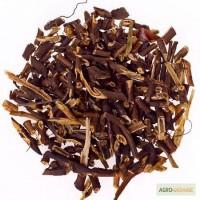
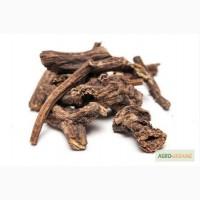
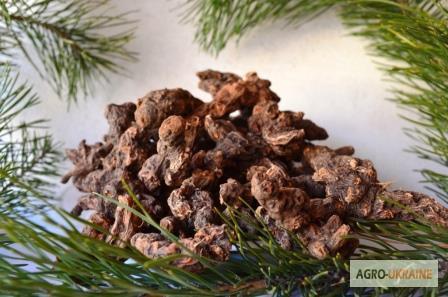
I will sell galanga root, Dnipropetrovsk region.
Price50 UAH.
Region:all Ukraine,
Dnipropetrovsk region.
(Https://dobriy-lis.all.biz/)
Updated:
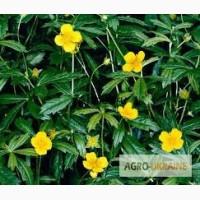
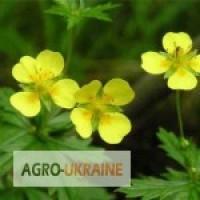
KALGAN, the root is Latin. POTENTILLA ERECTA – Erect PUPPY, Erect FINGER, Kozatskyiginseng.
Kalgan is an Arabic name that translates as wild. How spicy is better than ginger.
The rhizome contains tannins up to 31%, crystalline ether tormentol, triterpene saponins, phlobafens, ellagic and quinic acids and mineral substances up to 6%. Action: hemostatic, astringent, anti-inflammatory.
The largest amount of useful substances is contained in the root of the plant. These are essential oils, flavonoids that create the aroma and taste of spices, microelements, amino acids, vitamins, glycosides, and galangal root is also rich in copper and its compounds, iron, magnesium, and other substances useful for the body.
The spice stimulates the digestive system well, improves appetite, relieves stomach pain, and has a carminative effect.
The properties of galangal include a beneficial effect on the human gastrointestinal system, it treats ulcers of the stomach and duodenum, and gastric bleeding. The plant has an analgesic property, it is used for toothache.
The substances included in its composition have a beneficial effect on the skin, have an astringent and disinfecting effect. They are part of ointments, gels, creams for wound healing, reduction, and smoothing of scars.
Ego is used for burns as an analgesic and healing agent. Water decoction perfectly disinfects the throat and larynx during colds. Galgan vapors soften the bronchi, inhalations are useful for bronchitis.
The properties of the plant are used for liver diseases, jaundice, rheumatism.
In folk medicine, galangal decoction is also used for pulmonary tuberculosis, emphysema, anemia, stomach achilles, gout, rheumatism, jaundice, and liver diseases.
Galgan root contains tannins, starch, quinine, malic and ellagic acids, wax, resinous substance, gum, red phlobafen, traces of essential oil containing cineol, sugar.
Kalgan is a "friend" of the stomach, contains tannin catechin, which provides(//tractor-service.com)
beneficial effect on the entire gastrointestinal tract, including the muscular organ — the stomach.
Also, the plant is rich in other types of tannins, glycosides, flavonoids, phlobafen (has antibacterial properties), resin, ellagic and quinic acid,essential oils.
Medicinal plant has anti-inflammatory, astringent, bactericidal, hemostatic effects. Therefore, it is widely used for the treatment of flatulence, enterocolitis, gastritis, peptic ulcer disease, gastric, intestinal and uterine bleeding, cystitis, dysentery and diarrhea.
Cracks on the skin of the hands, feet, and lips (especially from the wind) in children and adults are smeared with ointment from the roots of oleander: 5.0 g. Finely chopped roots of oleander are boiled for 5 minutes in a glass of cow's butter. Strain into a jar while warm.
An aqueous decoction of the root of the sedum (20.0 g per 1 liter of water) serves as a mouthwash for scurvy diseases, and for angina - for gargling.
For diarrhea and dysentery, they drink tea from the roots of lapchatka.
It is used for inflammation of the alimentary tract (enterocolitis, dyspepsia, enteritis), uterine and intestinal bleeding.
Also, an ointment is made from the peduncle, which is used for eczema, burns, and frostbite.
The use of an upright peduncle (kalgana):
Internal - decoction - (200 ml of boiling water per 1 tablespoon of crushed raw material) 1 tablespoon 3-5 times a day before meals,
Externally - decoction (see above) - for lotions, compresses, rubbed, for the treatment of wounds, ulcers, bruises, eczema, hemorrhoids, colpitis and vulvovaginitis.
If you dilute the decoction with boiled water in a ratio of 1:4 - for douching. externally (ointment) - the root of the erect oleander is rubbed on a grater, mixed with any animal fat (pork lard can be used) or with butter in a ratio (1:3), the resulting mixture is placed in a water bath and boiled for 1 hour, strained while hot and stored in the refrigerator.
CONTRAINDICATIONS: pregnancy, tendency to constipation, individual intolerance, do not exceed the recommended doses. .
Kalgan is an Arabic name that translates as wild. How spicy is better than ginger.
The rhizome contains tannins up to 31%, crystalline ether tormentol, triterpene saponins, phlobafens, ellagic and quinic acids and mineral substances up to 6%. Action: hemostatic, astringent, anti-inflammatory.
The largest amount of useful substances is contained in the root of the plant. These are essential oils, flavonoids that create the aroma and taste of spices, microelements, amino acids, vitamins, glycosides, and galangal root is also rich in copper and its compounds, iron, magnesium, and other substances useful for the body.
The spice stimulates the digestive system well, improves appetite, relieves stomach pain, and has a carminative effect.
The properties of galangal include a beneficial effect on the human gastrointestinal system, it treats ulcers of the stomach and duodenum, and gastric bleeding. The plant has an analgesic property, it is used for toothache.
The substances included in its composition have a beneficial effect on the skin, have an astringent and disinfecting effect. They are part of ointments, gels, creams for wound healing, reduction, and smoothing of scars.
Ego is used for burns as an analgesic and healing agent. Water decoction perfectly disinfects the throat and larynx during colds. Galgan vapors soften the bronchi, inhalations are useful for bronchitis.
The properties of the plant are used for liver diseases, jaundice, rheumatism.
In folk medicine, galangal decoction is also used for pulmonary tuberculosis, emphysema, anemia, stomach achilles, gout, rheumatism, jaundice, and liver diseases.
Galgan root contains tannins, starch, quinine, malic and ellagic acids, wax, resinous substance, gum, red phlobafen, traces of essential oil containing cineol, sugar.
Kalgan is a "friend" of the stomach, contains tannin catechin, which provides(//tractor-service.com)
beneficial effect on the entire gastrointestinal tract, including the muscular organ — the stomach.
Also, the plant is rich in other types of tannins, glycosides, flavonoids, phlobafen (has antibacterial properties), resin, ellagic and quinic acid,essential oils.
Medicinal plant has anti-inflammatory, astringent, bactericidal, hemostatic effects. Therefore, it is widely used for the treatment of flatulence, enterocolitis, gastritis, peptic ulcer disease, gastric, intestinal and uterine bleeding, cystitis, dysentery and diarrhea.
Cracks on the skin of the hands, feet, and lips (especially from the wind) in children and adults are smeared with ointment from the roots of oleander: 5.0 g. Finely chopped roots of oleander are boiled for 5 minutes in a glass of cow's butter. Strain into a jar while warm.
An aqueous decoction of the root of the sedum (20.0 g per 1 liter of water) serves as a mouthwash for scurvy diseases, and for angina - for gargling.
For diarrhea and dysentery, they drink tea from the roots of lapchatka.
It is used for inflammation of the alimentary tract (enterocolitis, dyspepsia, enteritis), uterine and intestinal bleeding.
Also, an ointment is made from the peduncle, which is used for eczema, burns, and frostbite.
The use of an upright peduncle (kalgana):
Internal - decoction - (200 ml of boiling water per 1 tablespoon of crushed raw material) 1 tablespoon 3-5 times a day before meals,
Externally - decoction (see above) - for lotions, compresses, rubbed, for the treatment of wounds, ulcers, bruises, eczema, hemorrhoids, colpitis and vulvovaginitis.
If you dilute the decoction with boiled water in a ratio of 1:4 - for douching. externally (ointment) - the root of the erect oleander is rubbed on a grater, mixed with any animal fat (pork lard can be used) or with butter in a ratio (1:3), the resulting mixture is placed in a water bath and boiled for 1 hour, strained while hot and stored in the refrigerator.
CONTRAINDICATIONS: pregnancy, tendency to constipation, individual intolerance, do not exceed the recommended doses. .
|
Shop, contacts | |
Yuriy Yuryevich / reviews, info. / activity evaluation | |
|
Phone:
(067xxxxxx
show
| |
| https://dobriy-lis.all.biz/ | |
All user ads ~57 | |
Ad ID: #351868
(added by a registered user, registration date: 08-20-2014)
Added / Updated: 07-07-2026 06:14 (current, until: 07-07-2027)
Permanent Ad Address:
Impressions / views for today: ?, total: ?
Similar ads
There are many interesting ones among them...
Filters: Ginseng