Sell / buy
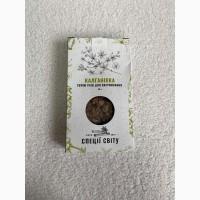
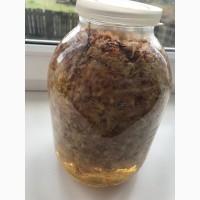
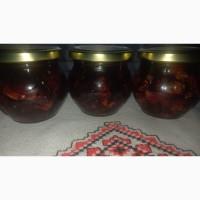
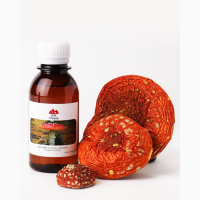
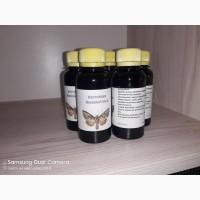
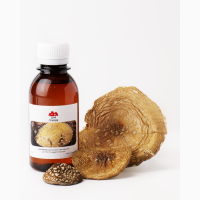
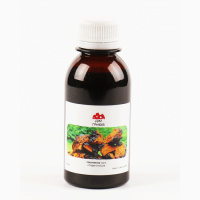
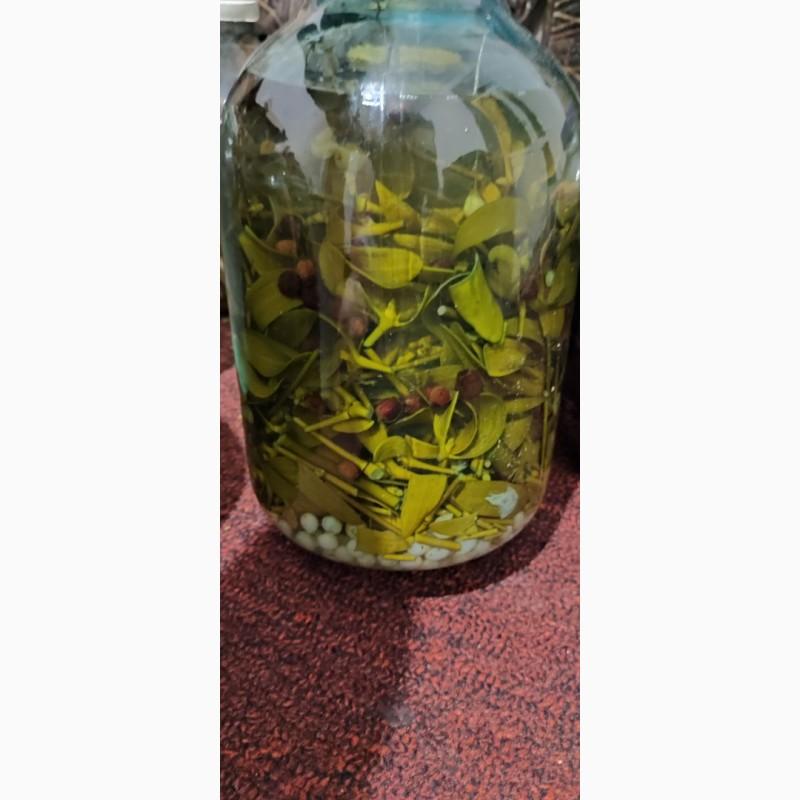
I will sell mistletoe tincture, Zhytomyr region.
Price80 UAH.
Region:all Ukraine,
Zhytomyr region region.
(Olevsk)
Updated:
WHITE MISTLETOE
White mistletoe, as a medicinal plant, has long and firmly taken its place, both in official medicine and in folk medicine. In ancient times, white mistletoe was considered a universal antidote and a remedy that defeats any disease.
White mistletoe contains many bioactive substances, including:
- Triterpene saponins. They activate the work of internal glands, normalize the hormonal background;
-Organic acids. They participate in digestive processes, contribute to the creation of optimal microflora in the organs of the gastrointestinal tract, regulate the process of saliva secretion;
-Alkaloids. Harmful effect on cancer cells;
- Histamine. Treats polyarthritis, migraine, radiculitis, asthma;
- Isorhamnetin, quercetin, rhamnetin. Substances that protect cells from the action of free radicals;
- Holin. It is necessary for the normal functioning of the brain, has a membrane-protective, nootropic, calming effect;
-Betulinic, ursulinic, gamma-aminobutyric acid;
- Minerals and vitamins. Necessary for good immunity.
Properties
decoctions and tinctures are prepared from mistletoe, compresses are made, sitz baths are taken;
white mistletoe - cleanses the body of impurities and normalizes metabolism;
100% natural product.
Indications for use
- increased excitability of the central nervous system;
- colpitis, profuse uterine discharge, whiteness, erosions of SMH;
- oncological diseases;
-hypertension;
- epilepsy, convulsive attacks;
-hypochondria;
- inflammatory kidney diseases;
- gastric bleeding, inflammation of the mucous membrane of the stomach, rectum, - diseases of the pancreas;
-hemorrhoids;
-atherosclerosis;
- varicose veins;
children's enuresis;
-headache;
- rectal prolapse;(//tractor-service.com)
-dysentery;
sclerosis;
-disruption of the menstrual cycle;
-edema, frostbite;
-abscesses, furuncles, boils, non-healing wounds, abscesses;
- tumors, including inoperable malignant ones;
-hormonal disorders;
- neurological pain (with sciatica, radiculitis, spondylitis);
- enlargement of lymph nodes.
Contraindications
Asthenia, hypotension, thyroid gland dysfunction, pregnancy, individual intolerance.
In folk medicine, mistletoe has long been used for gastrointestinal, menstrual, and hemorrhoidal bleeding, against epilepsy, eclampsia, and hysteria, and for abdominal pain.
Mistletoe tea is recommended as a general tonic for improving the tone of life, for weakened elderly people and for dizziness.
Externally, mistletoe herb infusion and powder is used as a softening and pain reliever for abscesses and other skin diseases.
To wash the vagina with colpitis and baldness, an infusion of mistletoe and yarrow is used.
Mistletoe is also used in homeopathy.
It should be remembered that with long-term use, mistletoe preparations can cause poisoning.
Medicinal forms and applications
INTERNALLY - infusion of mistletoe grass (15 g of raw material per 200 ml of boiling water) is taken 1 tablespoon three times a day;
- mistletoe herb tea (1 teaspoon of raw material per 1 glass of cold boiled water, infuse overnight) take a third of a glass three times a day;
- tincture of mistletoe herb (made with 70% alcohol in a 1:5 ratio) take 50 drops three times a day;
- to expel roundworms, powder of mistletoe and roots of medicinal valerian, taken in a ratio of 1:2, is taken 1 teaspoon daily for three days, drinking water and eating a large amount of freshly grated carrots.carrots.
EXTERNALLY - two tablespoons of a mixture (equally) of mistletoe grass and common yarrow are brewed in 1 liter of boiling water, infused until cooled, strained and used for douching with colpitis and baldness.
Who needs it, contact. There is a tincture of mistletoe from an apple tree, with hawthorn and propolis. It is also available in dry form. Welcome!
White mistletoe, as a medicinal plant, has long and firmly taken its place, both in official medicine and in folk medicine. In ancient times, white mistletoe was considered a universal antidote and a remedy that defeats any disease.
White mistletoe contains many bioactive substances, including:
- Triterpene saponins. They activate the work of internal glands, normalize the hormonal background;
-Organic acids. They participate in digestive processes, contribute to the creation of optimal microflora in the organs of the gastrointestinal tract, regulate the process of saliva secretion;
-Alkaloids. Harmful effect on cancer cells;
- Histamine. Treats polyarthritis, migraine, radiculitis, asthma;
- Isorhamnetin, quercetin, rhamnetin. Substances that protect cells from the action of free radicals;
- Holin. It is necessary for the normal functioning of the brain, has a membrane-protective, nootropic, calming effect;
-Betulinic, ursulinic, gamma-aminobutyric acid;
- Minerals and vitamins. Necessary for good immunity.
Properties
decoctions and tinctures are prepared from mistletoe, compresses are made, sitz baths are taken;
white mistletoe - cleanses the body of impurities and normalizes metabolism;
100% natural product.
Indications for use
- increased excitability of the central nervous system;
- colpitis, profuse uterine discharge, whiteness, erosions of SMH;
- oncological diseases;
-hypertension;
- epilepsy, convulsive attacks;
-hypochondria;
- inflammatory kidney diseases;
- gastric bleeding, inflammation of the mucous membrane of the stomach, rectum, - diseases of the pancreas;
-hemorrhoids;
-atherosclerosis;
- varicose veins;
children's enuresis;
-headache;
- rectal prolapse;(//tractor-service.com)
-dysentery;
sclerosis;
-disruption of the menstrual cycle;
-edema, frostbite;
-abscesses, furuncles, boils, non-healing wounds, abscesses;
- tumors, including inoperable malignant ones;
-hormonal disorders;
- neurological pain (with sciatica, radiculitis, spondylitis);
- enlargement of lymph nodes.
Contraindications
Asthenia, hypotension, thyroid gland dysfunction, pregnancy, individual intolerance.
In folk medicine, mistletoe has long been used for gastrointestinal, menstrual, and hemorrhoidal bleeding, against epilepsy, eclampsia, and hysteria, and for abdominal pain.
Mistletoe tea is recommended as a general tonic for improving the tone of life, for weakened elderly people and for dizziness.
Externally, mistletoe herb infusion and powder is used as a softening and pain reliever for abscesses and other skin diseases.
To wash the vagina with colpitis and baldness, an infusion of mistletoe and yarrow is used.
Mistletoe is also used in homeopathy.
It should be remembered that with long-term use, mistletoe preparations can cause poisoning.
Medicinal forms and applications
INTERNALLY - infusion of mistletoe grass (15 g of raw material per 200 ml of boiling water) is taken 1 tablespoon three times a day;
- mistletoe herb tea (1 teaspoon of raw material per 1 glass of cold boiled water, infuse overnight) take a third of a glass three times a day;
- tincture of mistletoe herb (made with 70% alcohol in a 1:5 ratio) take 50 drops three times a day;
- to expel roundworms, powder of mistletoe and roots of medicinal valerian, taken in a ratio of 1:2, is taken 1 teaspoon daily for three days, drinking water and eating a large amount of freshly grated carrots.carrots.
EXTERNALLY - two tablespoons of a mixture (equally) of mistletoe grass and common yarrow are brewed in 1 liter of boiling water, infused until cooled, strained and used for douching with colpitis and baldness.
Who needs it, contact. There is a tincture of mistletoe from an apple tree, with hawthorn and propolis. It is also available in dry form. Welcome!
|
Shop, contacts | |
Vadim Vasyliovych / reviews, info. / rating of activity | |
|
Phone:
+380xxxxxx
show
| |
All user ads ~23 | |
Ad ID: #1336574
(added by a registered user, registration date: 11-10-2020)
Added / Updated: 10-07-2026 09:45 (current, until: 10-07-2027)
Permanent Ad Address:
Impressions / views for today: ?, total: ?
Similar ads
Among them there are many interesting ones...