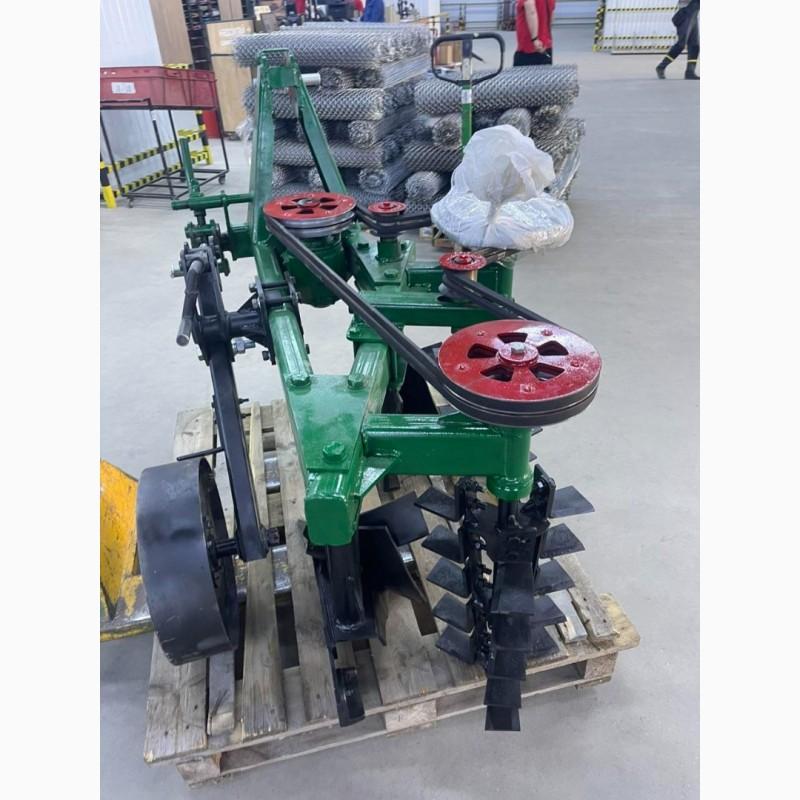
/ Agricultural machinery, equipment, inventory / Soil cultivation equipment / Plows / Rotary plows 2x. 3- and 4-body and for mini...
For sale / buy
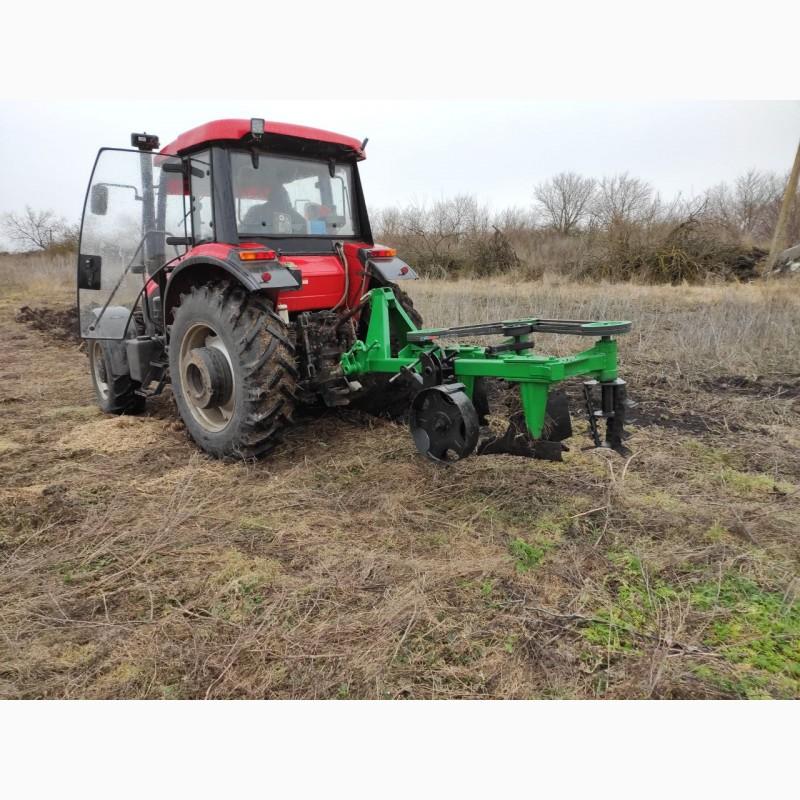
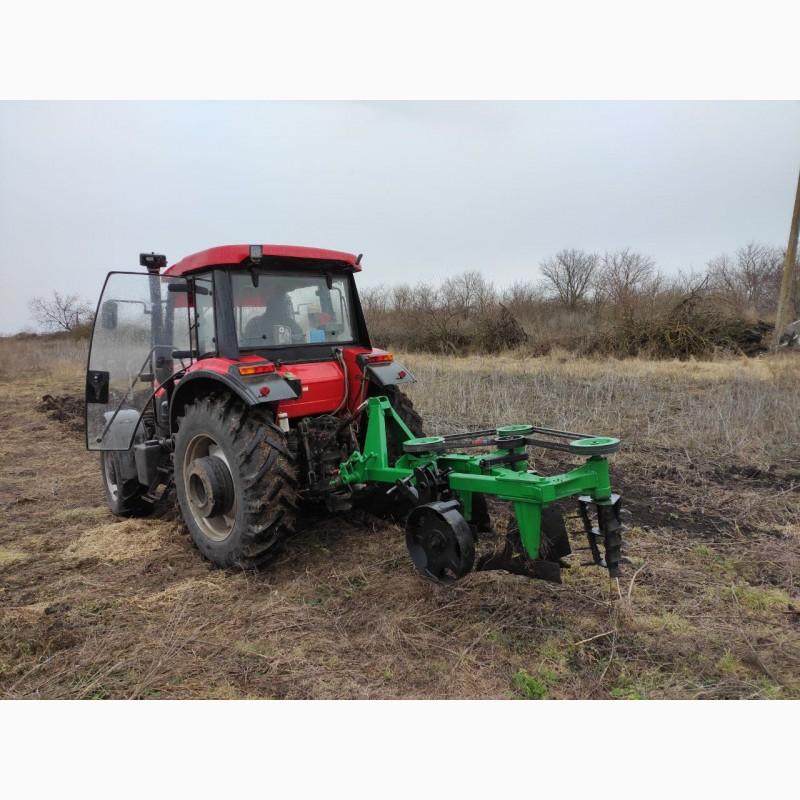
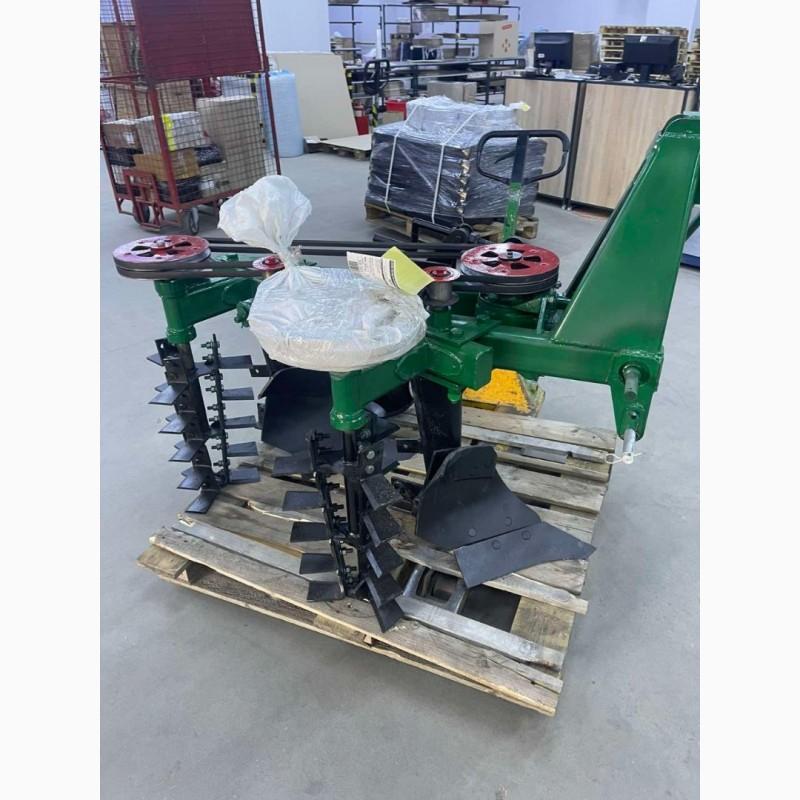
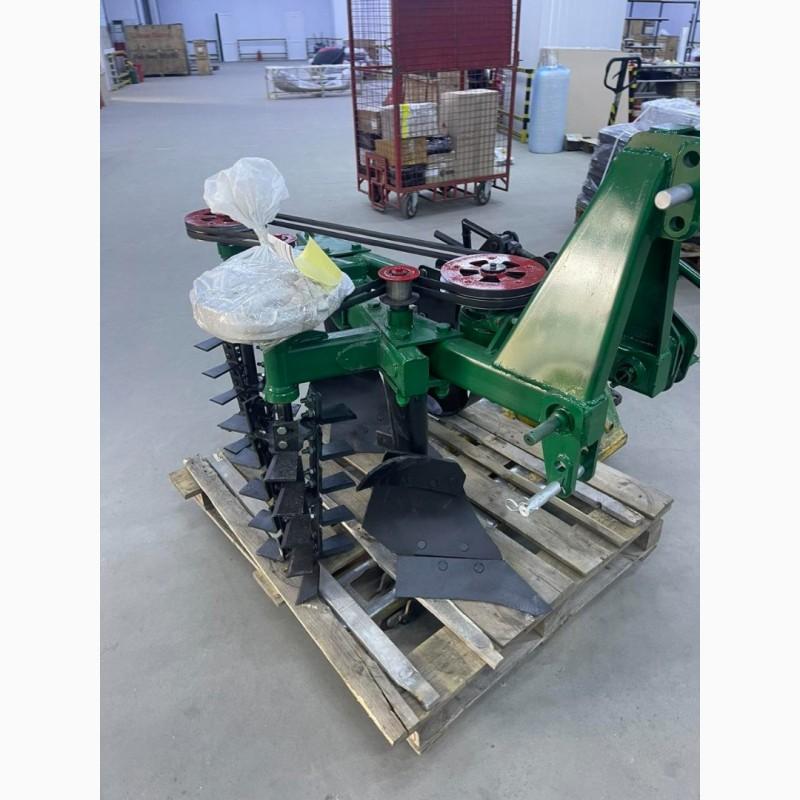
Rotary plows 2x. 3- and 4-body and for mini tractors, Zaporizhia region.
Price65,000 UAH.
Region:all Ukraine,
Zaporizh region.
Updated:
The difference from the classic model is that the plow is connected to the power take-off shaft, and does not rotate due to the traction movement, thanks to its peculiarity, it can be used when working in difficult areas of the field.
Among the differences from a conventional plow, it is also worth noting that the design of the plow allows you to place from 2 to 4 plowshares, which provides higher productivity compared to a conventional plow. It is convenient to use a rotary plow to process virgin lands densely covered with bushes. The soil thrown by the blades of the rotary plow is better crushed and mixed, which is an advantage when processing some types of soil.(//tractor-service.com)
The quality of plowing provided by such a plow turns out to be very high. The depth of plowing can reach up to 23 centimeters, which, according to most agronomists, is considered the maximum allowable depth - deeper plowing would raise the infertile soil layers to the surface and bury the fertile ones to a depth, and therefore, instead of benefit, it would cause harm.
A rotary plow is often used for plowing rice fields, and for this, as you know, not any tillage unit is suitable. There are units that have an extended range of applications and combine the functions of a rotary plow with the functions of a potato digger and tiller. During the operation of atractor ormotoblock with a conventional plow, the moment of its rotating engine is converted into a traction force on the hook of the machine. In the rotating torque is used directly, making the working parts rotating.
Among the differences from a conventional plow, it is also worth noting that the design of the plow allows you to place from 2 to 4 plowshares, which provides higher productivity compared to a conventional plow. It is convenient to use a rotary plow to process virgin lands densely covered with bushes. The soil thrown by the blades of the rotary plow is better crushed and mixed, which is an advantage when processing some types of soil.(//tractor-service.com)
The quality of plowing provided by such a plow turns out to be very high. The depth of plowing can reach up to 23 centimeters, which, according to most agronomists, is considered the maximum allowable depth - deeper plowing would raise the infertile soil layers to the surface and bury the fertile ones to a depth, and therefore, instead of benefit, it would cause harm.
A rotary plow is often used for plowing rice fields, and for this, as you know, not any tillage unit is suitable. There are units that have an extended range of applications and combine the functions of a rotary plow with the functions of a potato digger and tiller. During the operation of atractor ormotoblock with a conventional plow, the moment of its rotating engine is converted into a traction force on the hook of the machine. In the rotating torque is used directly, making the working parts rotating.
|
Store, contacts | |
OrTeh / feedback, info. | |
|
Phone:
0994xxxxxx
show
| |
| Telegram: AgroMaks | |
| http://orteh.com.ua/ | |
| facebook.com/agrotehnologiiua | |
| instagram.com/agrotekhnologii2020 | |
| youtube.com/@orteh7448/featured | |
All user ads ~25 | |
Ad ID: #1299403
(added by registered user)
Added / Updated: 2026-09-11 12:34 (current, until: 11-09-2027)
Permanent Ad Address:
Impressions / views for today: ?, total: ?
Similar ads


Total450 similar adsin the section "Plows"
All Ukraine: Agricultural machinery, equipment, inventory 45616 / Soil processing technics 5477 / Plows 450
Zaporizhia Region: Agricultural machinery, equipment, inventory 3594 / Soil processing technics 164 / Plows 10