Sell / buy
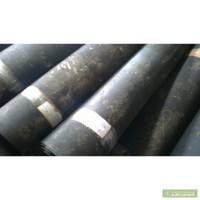
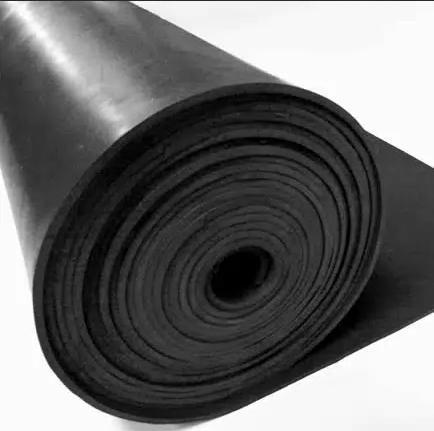
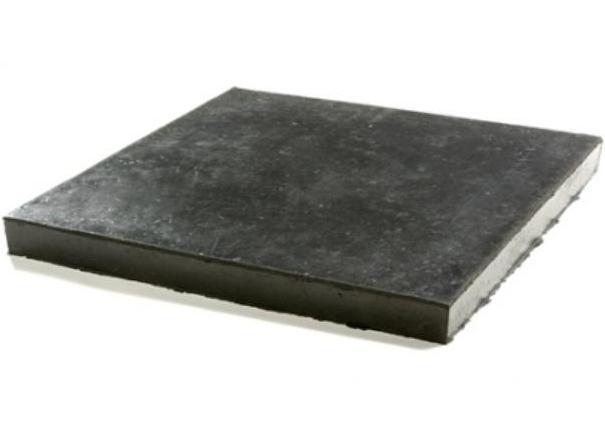
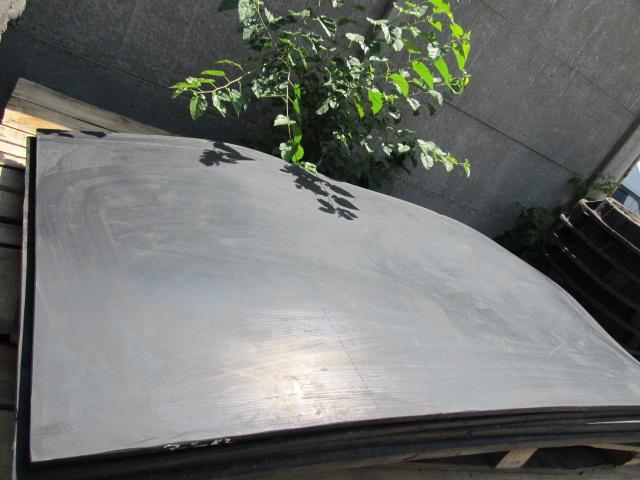
Technical plate tmsh, mbs guest 7338-90, Dnipropetrovsk region.
Price64 UAH.
Region:
Dnipropetrovsk region.
Updated:
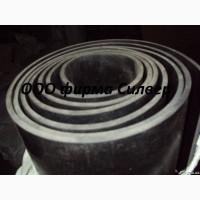
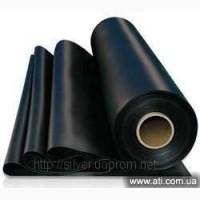
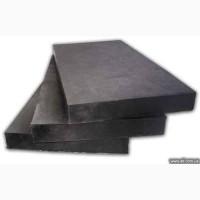
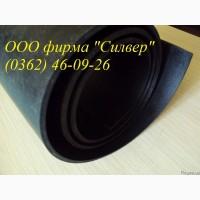
Technical plates presented on the Ukrainian market are rubber materials of a special recipe, the production of which is regulated by standards GOST 7338-90. They are intended for the production of products used as sealing elements in fixed connecting nodes of various units and mechanisms, protection of surfaces from damage caused by friction, absorption of negative impacts during impacts, production of flooring, and other laying products.
The effectiveness of the use of rubber plates is determined by the correct choice of this variety of RTI according to its design features and purpose. So there are several brands of technical plates:
- heat-freezing acid-alkali resistant plate (TMKSH), used in non-oily ones.
aggressive environments;
-rubber oil and gasoline resistant plate (MBS), working in contact with products(//tractor-service.com)
oil refining;
- atmospheric oil-resistant technical plate (AMS), used when exposed to gases, petroleum
oils, is limited to ozone resistance.
According to the level of working pressure, rubber technical plates are divided into two classes;
- first – more than 0.1 MPA;
- second – up to 0.1 MPA.
There are types of technical plates F and H, i.e. form and non-form. The difference between them is that shaped plates are made by the vulcanization press method, and non-shaped plates are made using continuous vulcanizers or by the boiler method. They are also distinguished by their internal texture - rubber or rubber fabric, by execution - sheet, roll, and also by hardness. Technical characteristics, conditions of storage and transportation, formpackaging, the marking of all rubber technical plates comply with the requirements of the above-mentioned standard.
The effectiveness of the use of rubber plates is determined by the correct choice of this variety of RTI according to its design features and purpose. So there are several brands of technical plates:
- heat-freezing acid-alkali resistant plate (TMKSH), used in non-oily ones.
aggressive environments;
-rubber oil and gasoline resistant plate (MBS), working in contact with products(//tractor-service.com)
oil refining;
- atmospheric oil-resistant technical plate (AMS), used when exposed to gases, petroleum
oils, is limited to ozone resistance.
According to the level of working pressure, rubber technical plates are divided into two classes;
- first – more than 0.1 MPA;
- second – up to 0.1 MPA.
There are types of technical plates F and H, i.e. form and non-form. The difference between them is that shaped plates are made by the vulcanization press method, and non-shaped plates are made using continuous vulcanizers or by the boiler method. They are also distinguished by their internal texture - rubber or rubber fabric, by execution - sheet, roll, and also by hardness. Technical characteristics, conditions of storage and transportation, formpackaging, the marking of all rubber technical plates comply with the requirements of the above-mentioned standard.
|
Author, contacts | |
Yuriy / feedback, info. / evaluation of activity | |
|
Phone:
+38 xxxxxx
show
| |
All user ads ~4 | |
Ad ID: #1263031
(added by a registered user, registration date: 09-08-2023)
Added/Updated: 09-17-2026 10:19 (current, until: 09-17-2027)
Permanent Ad Address:
Impressions / views for today: ?, total: ?
Similar ads
There are many interesting ones among them...