Sell / buy
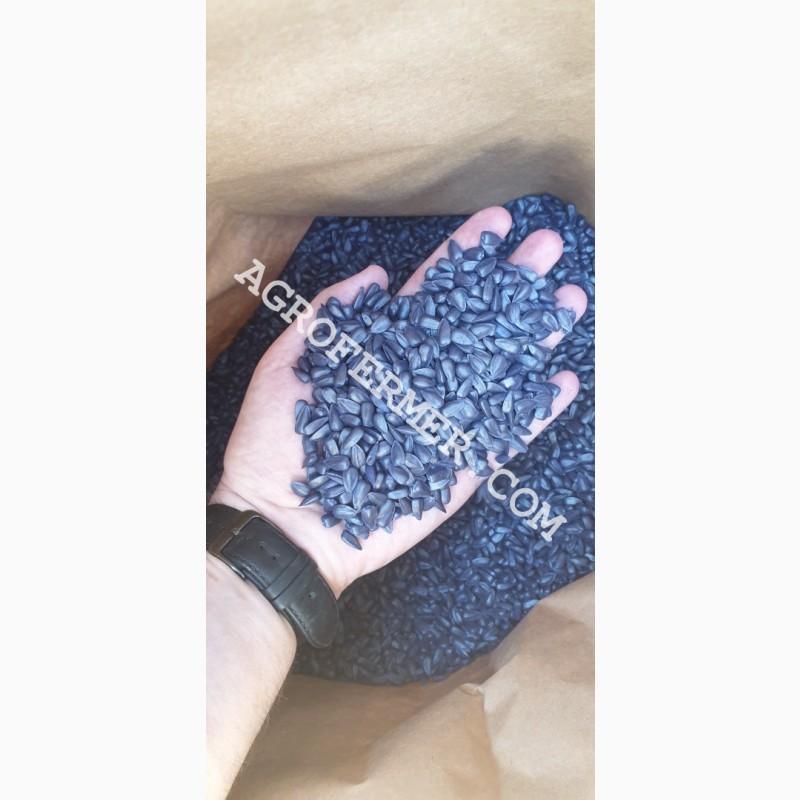
Canadian transgenic hybrid of CARRON butter sunflower (under Euro Lighting), Odesa region.
Price6300 UAH. / bag
Region:all of Ukraine,
Odesa region.
Updated:
Purpose of grain: Seed material
CARRON transgenicoil sunflower hybrid new generation. Scientifically developed on the basis of nano technologies by the well-known Canadian holding SERTIS HOLDING GROUP. In 2020, he passed hybrid tests in Canada, Israel, Morocco, where he showed excellent results in drought resistance. The temperature in the experimental fields rose to + 60 C*.
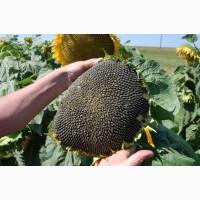
The height of the stem is 1.75 meters, the stem is thick, straight, powerful, high, the root is powerful and lies in the ground up to 250 cm deep, the leaves are medium, the caps are about 25 cm in diameter, the seeds are small.
Essential differences of transgenic sunflower from ordinary hybrids and varieties:
1) Thanks to the transformed NPZK1 gene, it has good drought resistance up to + 60 C*. 2) The sunflower is resistant to lodging and shedding, thanks to the transformed Sub1A gene, the sunflower can withstand heavy rains, as well as partial flooding of sunflower fields with water, hurricane wind, degrees.
3) Transformation of the Rx Ry genes and the Psku1 gene of sunflower increases resistance to sunflower diseases.
4) The Q3RV1f gene secretes a natural herbicide that suppresses the development of disease parasites, which increases the resistance of this hybrid to lupus.
5) This hybrid is resistant to all harmful insects due to the VEZ 14 tetra gene isolated from the bitter wormwood plant and transformed into the structure of sunflower DNA cells, therefore, in different phases of sunflower growth, from the beginning of the development of cotyledons, and when harmful insects cut or bite the stems, roots, cotyledons and other parts of the sunflower, an essential oil with a sharp bitter taste is released a thujone-containing substance that repels harmful insects that eat common varieties and hybrids of sunflower, which completely disappears as a result of the full ripening of sunflower baskets and seeds.
6) Withstands sharp temperature changes from +20 C* to -12 C* during the entire vegetation period thanks to the transformed OSMYB4 gene.
7) It is treated with a systemic herbicide of the imidazoline group (Euro-Lighting Euro-Land or Euro-Lang zh.k.) due to the transformed gene Mn – SOD 9, and is also resistant to oxidative stress.
8) This hybrid is self-pollinating and does not require the presence of bees.
9) It is characterized by uniform ripening, sunflower is harvested in a straight line and does not require desiccation.
10) As a result of the transformation of the WRKY gene, this hybrid became resistant to osmotic stress, to acid rain, as well as to high temperatures and increased ultraviolet radiation, at these high temperatures,sunflower pollen does not burn.
The content of sunflower oil in the oil hybrid is 52.
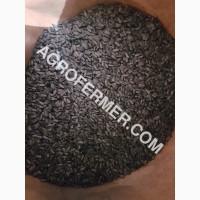
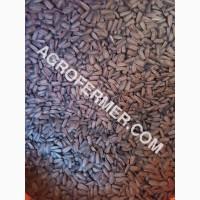
The weight of 1,000 seeds of the Canadian transgenic CARRON sunflower oil hybrid is 69 grams.
Germination — 98%, Germination energy — 97%, Typicality — 100%, Humidity — 8%, Purity — 99.99%
The yield of the Canadian transgenic hybrid of CARRON oil sunflower is 48 cents. c 1 - hectare.(//tractor-service.com)
Sowing Sowing sunflower hybrids begins in early spring from March 1 and inclusively until May 26. You can sow sunflowers at a temperature of + 1 C*, + 2 C *, as it is not afraid of spring frosts, sunflower seedlings appear in 8-10 days.
The rate of sowing Canadian transgenic sunflower hybrid CARRON per hectare is 4 kg, it is sown to a depth of 4 cm, dotted method with row spacing of 70 cm x 35 cm, which is made by pneumatic seeders SUPN — 8, SKPP — 12, LNG- 6 MF. The sunflower yield depends on the planting density for southern steppe regions, the optimal planting density is 48,000 for the forest-steppe regions, 50,000 per 1 ha. or 5 pieces per linear meter. For sunflowers, it is recommended to plow the field. Pre-sowing soil treatment should ensure a finely lumpy, well-drained soil. Only well-dried soil is treated. Surface application of phosphorus and nitrogen fertilizers simultaneously protects the soil from silting.
Sunflower is treated with a systemic herbicide of the imidazoline group (Euro-Lighting Euro-Land or Euro-Lang zh.k.) to destroy a wide range of annual grass, perennial weeds, and dicotyledonous weeds, and removes sunflower carcasses that are not resistant to imidazolines.
Herbicidal preparations have a double mechanism of action on weeds:
· they kill both vegetating weeds and weeds that grow from seeds;
· the active substance of the herbicide (imazethapyr 100 g/l, bioactivator NN-21) penetrates through the roots and leaves of plants, spreads through the xylem and phloem to the growth points and blocks protein synthesis, which leads to the cessation of cell growth and plant death.
The herbicide is applied with the help of ground sprayers, after the emergence of sunflower seedlings in the phase from 2 to 6 true leaves (sunflower cotyledons are not included). Processing stops when the sunflower is in the phase of 9-10 leaves. The rate of herbicide consumption is 1-1.2 l per 1 ha.
Udobreniya The application of phosphorus and nitrogen fertilizers increases not only the yield, but also the oiliness of sunflower, the recommended application doses of fertilizer potassium nitrate 20 kg per 1 ha — superphosphate at the time of sowing and nitroammophos 160 kg per 1 hectare before sowing or on sunflower sprouts.
The vegetation period of the transgenic Canadian sunflower hybrid CARRON from sowing to harvesting is 110 days.
Sunflower harvesting should begin when 90% of the sunflower baskets have turned brown, and harvesting is done with ordinary Don, Jondyr, Case harvesters.
Our website is agrofermer.com
E-mail -[email protected]
phone +380993644779 - Andrey
We buy the future harvest.
When sowing 800 hectares, we make a prepayment of up to 35%
Delivery: across Ukraine.
The height of the stem is 1.75 meters, the stem is thick, straight, powerful, high, the root is powerful and lies in the ground up to 250 cm deep, the leaves are medium, the caps are about 25 cm in diameter, the seeds are small.
Essential differences of transgenic sunflower from ordinary hybrids and varieties:
1) Thanks to the transformed NPZK1 gene, it has good drought resistance up to + 60 C*. 2) The sunflower is resistant to lodging and shedding, thanks to the transformed Sub1A gene, the sunflower can withstand heavy rains, as well as partial flooding of sunflower fields with water, hurricane wind, degrees.
3) Transformation of the Rx Ry genes and the Psku1 gene of sunflower increases resistance to sunflower diseases.
4) The Q3RV1f gene secretes a natural herbicide that suppresses the development of disease parasites, which increases the resistance of this hybrid to lupus.
5) This hybrid is resistant to all harmful insects due to the VEZ 14 tetra gene isolated from the bitter wormwood plant and transformed into the structure of sunflower DNA cells, therefore, in different phases of sunflower growth, from the beginning of the development of cotyledons, and when harmful insects cut or bite the stems, roots, cotyledons and other parts of the sunflower, an essential oil with a sharp bitter taste is released a thujone-containing substance that repels harmful insects that eat common varieties and hybrids of sunflower, which completely disappears as a result of the full ripening of sunflower baskets and seeds.
6) Withstands sharp temperature changes from +20 C* to -12 C* during the entire vegetation period thanks to the transformed OSMYB4 gene.
7) It is treated with a systemic herbicide of the imidazoline group (Euro-Lighting Euro-Land or Euro-Lang zh.k.) due to the transformed gene Mn – SOD 9, and is also resistant to oxidative stress.
8) This hybrid is self-pollinating and does not require the presence of bees.
9) It is characterized by uniform ripening, sunflower is harvested in a straight line and does not require desiccation.
10) As a result of the transformation of the WRKY gene, this hybrid became resistant to osmotic stress, to acid rain, as well as to high temperatures and increased ultraviolet radiation, at these high temperatures,sunflower pollen does not burn.
The content of sunflower oil in the oil hybrid is 52.
The weight of 1,000 seeds of the Canadian transgenic CARRON sunflower oil hybrid is 69 grams.
Germination — 98%, Germination energy — 97%, Typicality — 100%, Humidity — 8%, Purity — 99.99%
The yield of the Canadian transgenic hybrid of CARRON oil sunflower is 48 cents. c 1 - hectare.(//tractor-service.com)
Sowing Sowing sunflower hybrids begins in early spring from March 1 and inclusively until May 26. You can sow sunflowers at a temperature of + 1 C*, + 2 C *, as it is not afraid of spring frosts, sunflower seedlings appear in 8-10 days.
The rate of sowing Canadian transgenic sunflower hybrid CARRON per hectare is 4 kg, it is sown to a depth of 4 cm, dotted method with row spacing of 70 cm x 35 cm, which is made by pneumatic seeders SUPN — 8, SKPP — 12, LNG- 6 MF. The sunflower yield depends on the planting density for southern steppe regions, the optimal planting density is 48,000 for the forest-steppe regions, 50,000 per 1 ha. or 5 pieces per linear meter. For sunflowers, it is recommended to plow the field. Pre-sowing soil treatment should ensure a finely lumpy, well-drained soil. Only well-dried soil is treated. Surface application of phosphorus and nitrogen fertilizers simultaneously protects the soil from silting.
Sunflower is treated with a systemic herbicide of the imidazoline group (Euro-Lighting Euro-Land or Euro-Lang zh.k.) to destroy a wide range of annual grass, perennial weeds, and dicotyledonous weeds, and removes sunflower carcasses that are not resistant to imidazolines.
Herbicidal preparations have a double mechanism of action on weeds:
· they kill both vegetating weeds and weeds that grow from seeds;
· the active substance of the herbicide (imazethapyr 100 g/l, bioactivator NN-21) penetrates through the roots and leaves of plants, spreads through the xylem and phloem to the growth points and blocks protein synthesis, which leads to the cessation of cell growth and plant death.
The herbicide is applied with the help of ground sprayers, after the emergence of sunflower seedlings in the phase from 2 to 6 true leaves (sunflower cotyledons are not included). Processing stops when the sunflower is in the phase of 9-10 leaves. The rate of herbicide consumption is 1-1.2 l per 1 ha.
Udobreniya The application of phosphorus and nitrogen fertilizers increases not only the yield, but also the oiliness of sunflower, the recommended application doses of fertilizer potassium nitrate 20 kg per 1 ha — superphosphate at the time of sowing and nitroammophos 160 kg per 1 hectare before sowing or on sunflower sprouts.
The vegetation period of the transgenic Canadian sunflower hybrid CARRON from sowing to harvesting is 110 days.
Sunflower harvesting should begin when 90% of the sunflower baskets have turned brown, and harvesting is done with ordinary Don, Jondyr, Case harvesters.
Our website is agrofermer.com
E-mail -[email protected]
phone +380993644779 - Andrey
We buy the future harvest.
When sowing 800 hectares, we make a prepayment of up to 35%
Delivery: across Ukraine.
|
Shop, contacts | |
Andrei Valerievich / reviews, info. / activity assessment | |
|
Telephone:
+380xxxxxx
show
| |
All user ads ~40 | |
Ad ID: #1184682
(added by a registered user, registration date: 2012-07-24)
Added/Updated: 09-18-2026 15:21 (current, until: 18-09-2027)
Permanent Ad Address:
Impressions / views for today: ?, total: ?
Similar ads
Among them there are many interesting ones...
Filters: Sunflowers for sale Sunflower seeds Maslian sunflowers Sunflower seeds under Euro-Lightning