/ Fertilizers and plant protection products / Insecticides / Aspid - an insecticide against a complex of pests...
Sell / buy
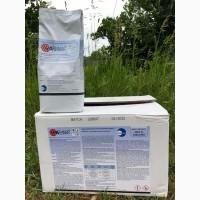
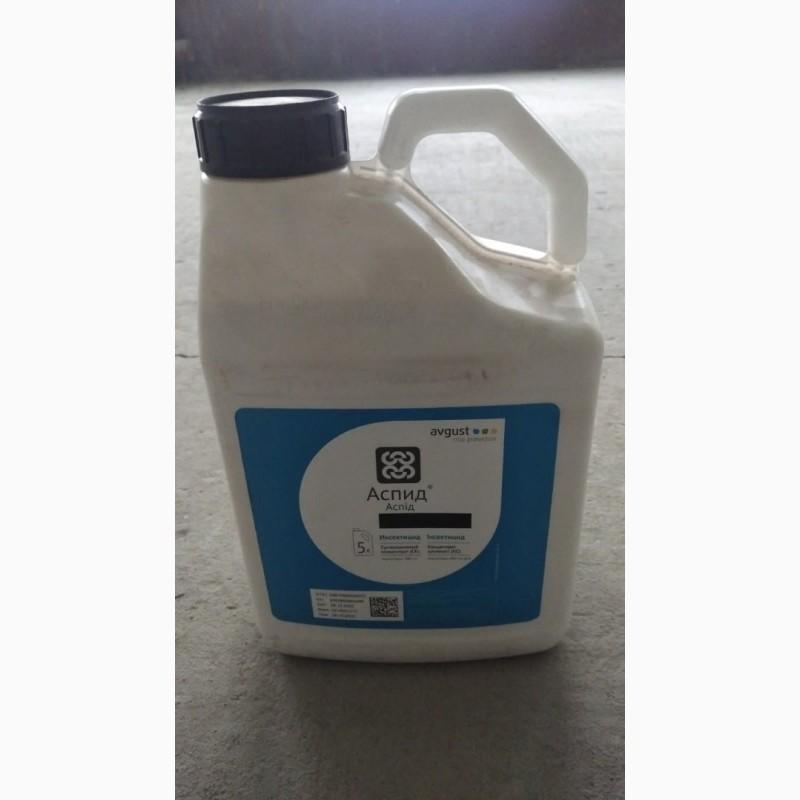
Aspid - insecticide against a complex of pests in crops of rapeseed, potatoes and gardens, Kyiv region.
Price44$
Region:all Ukraine,
Kyiv region.
(Vyshhorodok)
Updated:
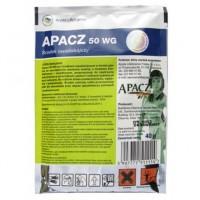
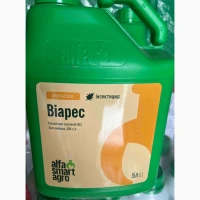
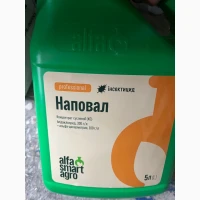
Aspid insecticide - Pests will be in shock. Highly effective systemic insecticide of contact and intestinal action for combating a complex of pests inrape crops, potatoes and gardens.
Active substance: thiacloprid, 480 g/l. Preparative form: suspension concentrate.
Manufacturer:. Augustus
Packaging: 5 l canisters, the price is for 1 l.
Characteristics of the active substance: thiacloprid belongs to the chemical class of neonicotinoids with acute contact-intestinal action and high systemic activity.
Advantages of the drug:
high efficiency immediately after treatment due to the fastest, compared to other neonicotinoids, contact action; systemic effect - penetration into plants;
a long period of protection (up to 30 days); destruction of a wide range of pests, including hidden animals and those that feed on the lower part of the leaf; the possibility of use at elevated air temperatures; effectiveness against pest populations resistant to pyrethroids and FOS; the least danger among neonicotinoids for pollinating insects.
Range of action:
a wide range of sucking and biting pests on rapeseed, potato, apple, cherry and cherry trees.
Mechanism of action:
thiacloprid disrupts the transmission of nerve impulses, entering the body of pests both during direct contact and when feeding on treated plants.
Due to its systemic activity, the drug also protects parts of the plant that have not been treated.
The period of protective action is on average 21-25 days (up to 30 days).
Speed of action: Aspid has a high speed of action, which manifests itself within 1 hour after treatment.
(//tractor-service.com)
Regulations of application:
Culture Pest Drug consumption rate, l/ha
= Winter and spring rapeseed
Bugs 0.15
= Winter and spring rapeseed. 0.2
0,2
=Potato
Colorado beetle, aphids, thrips 0.1 - 0.2
= Apple tree
Apple fruit eater, leafhoppers, apple sawfly, garden weevils (florid, bruncoid), aphids, passing moths, tube borers (kazarka, bukarka), hairy deer
0.2 - 0.3 Cherry, Cherry Cherry fly, hairy deer, cherry aphid 0.2 - 0.3
Features of application: rapeseed spraying is carried out during the growing season, when pests reach the economic threshold of harmfulness. Plants should be processed in windless weather, in the absence of abundant dew and precipitation. It is recommended to add an adjuvant (for example, Allure or Polyphem) to the working solution of the insecticide, which will ensure high-quality and uniform coverage of the leaves of the culture with the working solution of the drug. It is allowed to carry out 1 - 2 sprayings. The waiting period is 20 days.
The possibility of resistance: unlikely if the application regulations are followed. To prevent the development of resistance, it is recommended to alternate the drug with insecticides of a different mechanism of action.
Compatibility: Aspid is compatible with most pesticides, with the exception of alkaline preparations. Limitations: the drug is the least dangerous to beneficial entomofauna, including plant pollinators, compared to other neonicotinoids.Bees, unlike most insect pests controlled by thiacloprid, can metabolize it very quickly to safe compounds using enzyme systems. This low toxicity to bees has been confirmed by independent studies.
Consumption of working fluid:
for rapeseed and potatoes - 200 - 400 l/ha, for gardens - 1000 - 1500 l/ha.
Active substance: thiacloprid, 480 g/l. Preparative form: suspension concentrate.
Manufacturer:. Augustus
Packaging: 5 l canisters, the price is for 1 l.
Characteristics of the active substance: thiacloprid belongs to the chemical class of neonicotinoids with acute contact-intestinal action and high systemic activity.
Advantages of the drug:
high efficiency immediately after treatment due to the fastest, compared to other neonicotinoids, contact action; systemic effect - penetration into plants;
a long period of protection (up to 30 days); destruction of a wide range of pests, including hidden animals and those that feed on the lower part of the leaf; the possibility of use at elevated air temperatures; effectiveness against pest populations resistant to pyrethroids and FOS; the least danger among neonicotinoids for pollinating insects.
Range of action:
a wide range of sucking and biting pests on rapeseed, potato, apple, cherry and cherry trees.
Mechanism of action:
thiacloprid disrupts the transmission of nerve impulses, entering the body of pests both during direct contact and when feeding on treated plants.
Due to its systemic activity, the drug also protects parts of the plant that have not been treated.
The period of protective action is on average 21-25 days (up to 30 days).
Speed of action: Aspid has a high speed of action, which manifests itself within 1 hour after treatment.
(//tractor-service.com)
Regulations of application:
Culture Pest Drug consumption rate, l/ha
= Winter and spring rapeseed
Bugs 0.15
= Winter and spring rapeseed. 0.2
0,2
=Potato
Colorado beetle, aphids, thrips 0.1 - 0.2
= Apple tree
Apple fruit eater, leafhoppers, apple sawfly, garden weevils (florid, bruncoid), aphids, passing moths, tube borers (kazarka, bukarka), hairy deer
0.2 - 0.3 Cherry, Cherry Cherry fly, hairy deer, cherry aphid 0.2 - 0.3
Features of application: rapeseed spraying is carried out during the growing season, when pests reach the economic threshold of harmfulness. Plants should be processed in windless weather, in the absence of abundant dew and precipitation. It is recommended to add an adjuvant (for example, Allure or Polyphem) to the working solution of the insecticide, which will ensure high-quality and uniform coverage of the leaves of the culture with the working solution of the drug. It is allowed to carry out 1 - 2 sprayings. The waiting period is 20 days.
The possibility of resistance: unlikely if the application regulations are followed. To prevent the development of resistance, it is recommended to alternate the drug with insecticides of a different mechanism of action.
Compatibility: Aspid is compatible with most pesticides, with the exception of alkaline preparations. Limitations: the drug is the least dangerous to beneficial entomofauna, including plant pollinators, compared to other neonicotinoids.Bees, unlike most insect pests controlled by thiacloprid, can metabolize it very quickly to safe compounds using enzyme systems. This low toxicity to bees has been confirmed by independent studies.
Consumption of working fluid:
for rapeseed and potatoes - 200 - 400 l/ha, for gardens - 1000 - 1500 l/ha.
|
Shop, contacts | |
Yuriy / reviews, info. / evaluation activities | |
|
Phone:
+38(xxxxxx
show
| |
All ads user ~1000 | |
Ad ID: #1176556
(added by registered user, registration date: 2016-08-10)
Added / Updated: 2026-09-22 10:21 (current, until: 09-22-2027)
Permanent Ad Address:
Impressions / views for today: ?, total: ?
Similar ads
There are many interesting ones among them...