Buy
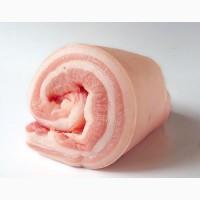
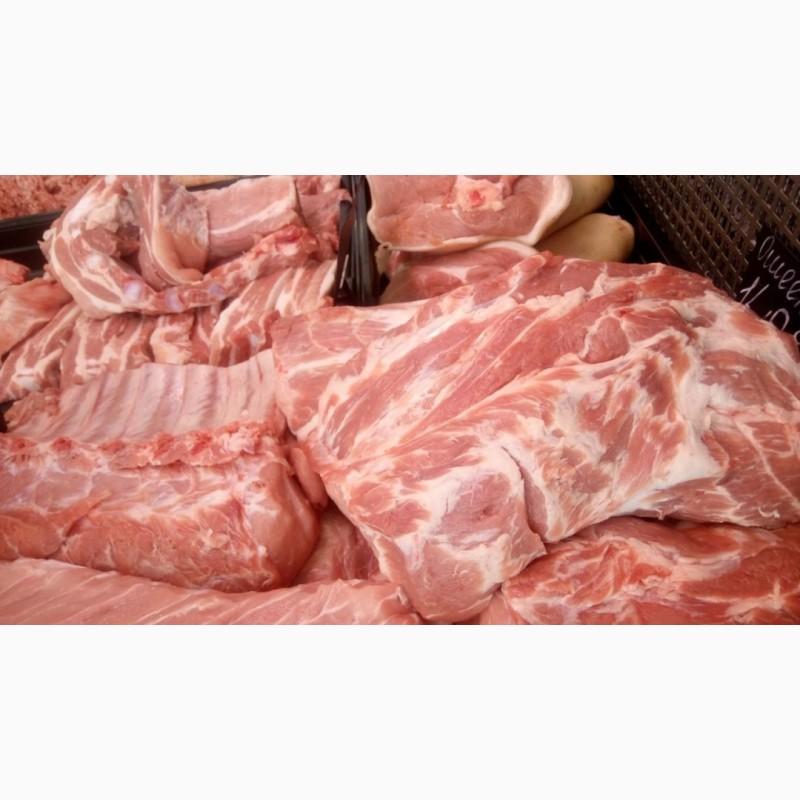
I have buyers of pork and offal from 20 tons for processing, Volyn region.
Region:all Ukraine,
Volyn region.
(Port)
Updated:
Commercial offer for the purchase of pork. From farms. Not an unusual amount. My phone numbers are +380502711484 WhatsApp and +380969351156 Viber Oleksandr.
Email:[email protected].
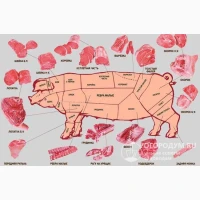
The slaughter weight of pigs is divided into food and technical products. In addition, endocrine-enzymatic and special raw materials are allocated.
Food products for pig slaughter:
- carcass (meat on the bone) - the body of a pig without skin or processed by the method of burning in the skin, as well as with the rump removed, without the head, legs, internal organs and internal fat;
-offals of the first category -liver, kidneys, tongue, offal, brains,heart;
- offal of the second category - stomach, rump, tail, lungs, trachea, spleen, legs, ears, head without tongue and brain;
- raw fat - adipose tissue obtained during the processing of pigs is the raw material for the production of rendered fats.
The composition of raw fat includes internal fat, lard, stomach and intestinal fat; internal fat - raw fat, removed from the internal organs of pigs; lard - subcutaneous fat of pigs; pork fat - the remainder of subcutaneous fat, removed from the inner side of the pork skin; intestinal fat - fat removed from all types of intestines.
Technical products for pig slaughter:
- pig skin - freed from fat and marginal areas;(//tractor-service.com)
- technical blood - blood unsuitable for food purposes, but approved by veterinary and sanitary supervision for fodder purposes;
- technical rendered fat - animal fat obtained from unfit for food raw fat, approved by veterinary and sanitary supervision for use for fodder and technical purposes;
- non-food raw materials from the slaughter of pigs, used for the production of dry fodder of animal origin - scrapings from carcasses, genitals, embryos, waste obtained from the processing of offal and intestines.
Endocrine, enzyme and special raw materials:
- endocrine raw materials - glands of internal secretion and some glands with internal and external secretion are raw materials for the production of organ preparations;
- enzyme raw materials - glands with only external secretion, as well as organs and other raw materials of animal origin, used for the production of enzymes and enzyme preparations;
- special raw materials - some types of animal organs and tissues used for the production of organoleptic preparations. Special raw materials include liver, blood, bile, spinal cord, vitreous body of the eyes, embryos, etc.
The fat content of pig carcasses is determined by the thickness of subcutaneous fat above the spinous processes of the 6th-7th thoracic vertebrae (GOST 1213-74). Carcasses of the first category must have a thickness of subcutaneous fat from 1.5 to 3.5 cm.
To determine the level of subcutaneous fat along the spine, measure the thickness of subcutaneous fat at the withers, above the spinous processes of the 6th-7th thoracic vertebrae, above the first lumbar vertebra and the sacrum. The average thickness of subcutaneous fat is calculated from the sum of these measurements. The thickness of fat is measured with a caliper or a ruler with an accuracy of 1 mm without the thickness of the skin.
The quality of meat is understood as a set of properties that reveal the suitability of meat for food, they include indicators of completeness of food and biological and sanitary-veterinary safety (good quality and safety.
Beneficial quality means the absence of spoilage processes in the meat, such as rotting, oxidation, rancidity, moldiness, etc. Safety indicators - the absence of bacteriological, chemical, mechanical pathogenic microbes, fungi, helminths, toxins, mechanical impurities, etc. in the meat.
Email:[email protected].
The slaughter weight of pigs is divided into food and technical products. In addition, endocrine-enzymatic and special raw materials are allocated.
Food products for pig slaughter:
- carcass (meat on the bone) - the body of a pig without skin or processed by the method of burning in the skin, as well as with the rump removed, without the head, legs, internal organs and internal fat;
-offals of the first category -liver, kidneys, tongue, offal, brains,heart;
- offal of the second category - stomach, rump, tail, lungs, trachea, spleen, legs, ears, head without tongue and brain;
- raw fat - adipose tissue obtained during the processing of pigs is the raw material for the production of rendered fats.
The composition of raw fat includes internal fat, lard, stomach and intestinal fat; internal fat - raw fat, removed from the internal organs of pigs; lard - subcutaneous fat of pigs; pork fat - the remainder of subcutaneous fat, removed from the inner side of the pork skin; intestinal fat - fat removed from all types of intestines.
Technical products for pig slaughter:
- pig skin - freed from fat and marginal areas;(//tractor-service.com)
- technical blood - blood unsuitable for food purposes, but approved by veterinary and sanitary supervision for fodder purposes;
- technical rendered fat - animal fat obtained from unfit for food raw fat, approved by veterinary and sanitary supervision for use for fodder and technical purposes;
- non-food raw materials from the slaughter of pigs, used for the production of dry fodder of animal origin - scrapings from carcasses, genitals, embryos, waste obtained from the processing of offal and intestines.
Endocrine, enzyme and special raw materials:
- endocrine raw materials - glands of internal secretion and some glands with internal and external secretion are raw materials for the production of organ preparations;
- enzyme raw materials - glands with only external secretion, as well as organs and other raw materials of animal origin, used for the production of enzymes and enzyme preparations;
- special raw materials - some types of animal organs and tissues used for the production of organoleptic preparations. Special raw materials include liver, blood, bile, spinal cord, vitreous body of the eyes, embryos, etc.
The fat content of pig carcasses is determined by the thickness of subcutaneous fat above the spinous processes of the 6th-7th thoracic vertebrae (GOST 1213-74). Carcasses of the first category must have a thickness of subcutaneous fat from 1.5 to 3.5 cm.
To determine the level of subcutaneous fat along the spine, measure the thickness of subcutaneous fat at the withers, above the spinous processes of the 6th-7th thoracic vertebrae, above the first lumbar vertebra and the sacrum. The average thickness of subcutaneous fat is calculated from the sum of these measurements. The thickness of fat is measured with a caliper or a ruler with an accuracy of 1 mm without the thickness of the skin.
The quality of meat is understood as a set of properties that reveal the suitability of meat for food, they include indicators of completeness of food and biological and sanitary-veterinary safety (good quality and safety.
Beneficial quality means the absence of spoilage processes in the meat, such as rotting, oxidation, rancidity, moldiness, etc. Safety indicators - the absence of bacteriological, chemical, mechanical pathogenic microbes, fungi, helminths, toxins, mechanical impurities, etc. in the meat.
|
Shop, contacts | |
Alexander / reviews, info.: 24 / activity evaluation Attention! The user has a lot ofnegative reviews | |
|
Phone:
+380xxxxxx
show
| |
| Skype: potapsan | |
All user ads ~322 | |
Ad ID: #1147831
(added by a registered user, registration date: 08-14-2012)
Added / Updated: 09-05-2026 23:19 (current, until: 06-10-2026)
Permanent Ad Address:
Impressions / views for today: ?, total: ?