Sell / buy
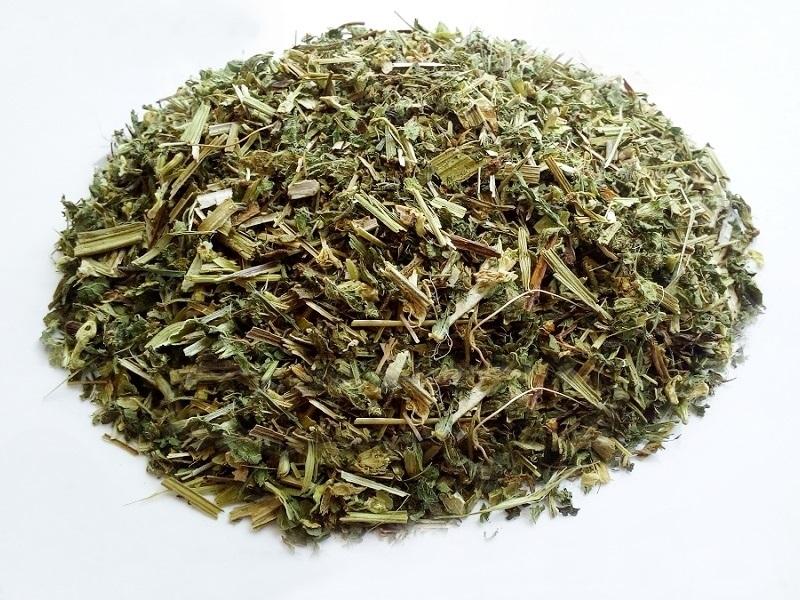
Yasnotka white (herb) 1 kg, Kharkiv region.
Region:all Ukraine,
Kharkiv region.
(Kharkiv)
Updated:
Jasnotka white is a very common plant in folk medicine, despite the fact that many are unfamiliar not only with its appearance, but also with its name. At the same time, it is known about its strong sedative effect, which is used in the treatment of nervous overexcitation, insomnia and other nervous diseases, as well as in depressive states. Externally, hyacinth is used to treat skin diseases, such as ulcers, burns, eczema, boils. Jaundice and some allergy symptoms can also be treated with this herb. It also has a positive effect on digestive processes: it is recommended to use it for diarrhea and dysentery, other diseases of the stomach and intestines, as well as for general improvement of digestion. In gynecology, this plant is used in the treatment of white spots and uterine bleeding; hemostatic properties of hyacinth are also useful for bleeding of a second nature. In addition, it is used for respiratory diseases: bronchitis, angina, tuberculosis. Some healers use it to treat diseases of the kidneys and liver, as well as diseases of the heart and blood vessels. Different parts of the magic nettle contain a rich set of useful substances widely used in folk medicine. First of all, these are tannins and mucus, as well as saponins and alkaloids. Also, jasnotka contains flavonoids, ascorbic, caffeic, gallic and many other acids useful for the body, not to mention numerous trace elements that serve as material for its strengthening. Such a rich chemical composition determines an equally diverse list of diseases in which it is recommended to use this herb in one form or another. First of all, these are nervous diseases. The calming effect of hyacinth is useful for overexcitement, insomnia, and even depression. Among respiratory diseases, it is traditionally used for bronchitis, angina, and tuberculosis. Jasnotka grass is also useful in gynecology, here it is used to treat vaginal bleeding and uterine bleeding. Blood-stopping properties are generally considered a strong point of this plant: it is also used for other types of bleeding, for example, pulmonary or gastric. With the help of hyacinth, you can improve digestion, get rid of diarrhea and dysentery, and improve the general condition of the stomach and intestines. External use of preparations based on this plant is recommended for getting rid of symptoms of allergies, scrofula and skin diseases: ulcers, boils, eczema and burns. Another use of it is the treatment of liver and kidney diseases.крапивы содержится богатый набор полезных веществ, широко применяемых в народной медицине. Прежде всего, это дубильные вещества и слизи, а также сапонины и алкалоиды. Также в яснотке содержатся флавоноиды, аскорбиновые, кофейные, галловые и многие другие кислоты, полезные для организма, не говоря о многочисленных микроэлементах, служащих материалом для его укрепления. Столь богатый химический состав определяет и не менее разнообразный список заболеваний, при которых рекомендуется употребление, в том или ином виде, этой травы. В первую очередь, это нервные болезни. Успокоительное воздействие яснотки оказывается полезным при перевозбуждении, бессоннице и даже при депрессии. Среди заболеваний дыхательного характера она традиционно используется при бронхите, ангине и туберкулёзе. Также трава яснотки полезна в гинекологии, здесь с её помощью лечат бели и маточные кровотечения. Кровоостанавливающие свойства вообще считаются сильной стороной этого растения: оно применяется и при других видах кровотечений, например, лёгочных или желудочных. С помощью яснотки можно улучшить пищеварение, избавиться от диареи и дизентерии, улучшить общее состояние желудка и кишечника. Наружное применение препаратов, приготовленных на основе этого растения, рекомендуется для избавления от симптомов аллергии, золотухи и кожных болезней: язв, фурункулов, экзем и ожогов. Ещё одно её применение – лечение болезней печени и почек.
|
Author, contacts | |
Yuliya / feedback, info. / activity evaluation | |
|
Phone:
+38(xxxxxx
show
| |
| Viber: 380672594366 | |
All user ads ~209 | |
Ad ID: #1115900
(added by a registered user, date registration: 04-30-2021)
Added / Updated: 09-11-2025 15:09 (current, until: 11-09-2026)
Permanent Ad Address:
Impressions / views for today: ?, total: ?
Similar ads
Among them there are many interesting ones...