For sale / buy
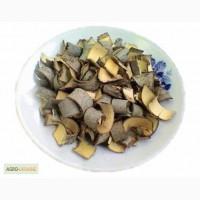
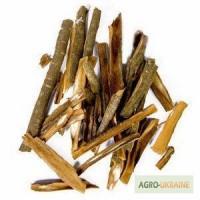
Common aspen (bark) 1 kg, Kharkiv region.
Region:all Ukraine,
Kharkiv region.
(Kharkiv)
Updated:
Preparations prepared from the bark of common aspen are used to treat many diseases of the gastrointestinal tract, including indigestion, dyspepsia, diarrhea, hemorrhoids, and others. Also, they are effective for getting rid of diseases of the prostate gland, including prostatitis and hypertrophy of this organ. Aspen bark is also used for cystitis and other bladder ailments. It is used for enuresis and various urinary disorders. Gastritis, neuralgia, rheumatism, gout and diabetes can also be treated with this plant. The antipyretic property of aspen bark helps to reduce the temperature in case of fever. In addition, it is useful for the respiratory system in tuberculosis, pneumonia, angina, bronchitis and cough. Aspen preparations will be useful for pancreatitis, syphilis, scurvy, eczema, ulcers, burns and malaria. Different parts of the aspen find different uses. This tree is used in the dyeing and tanning industry, it also plays the role of a decorative plant and raw material for building material. The medicinal use of aspen bark is due to its antipyretic, anti-inflammatory, antitussive, antimicrobial and other properties. With the help of this plant, many diseases of the gastrointestinal tract, prostate gland, respiratory system, etc. are treated. The chemical composition of aspen bark includes such components as tannins, aromatic acids, fatty acids, salicin and populin glycosides, phenolglycosides, as well as glucose, sucrose, fructose and other carbohydrates useful for the body.
|
Author, contacts | |
Julia/ feedback, info./ activity evaluation | |
|
Phone:
+38(xxxxxx
show
| |
| Viber: 380672594366 | |
All user ads ~206 | |
Ad ID: #1115699
(added by a registered user, date registration: 04-30-2021)
Added / Updated: 09-02-2026 18:42 (current, until: 02-09-2027)
Permanent Ad Address:
Impressions / views for today: ?, total: ?
Similar ads
Among them there are many interesting ones...