Sell / buy
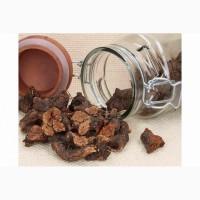
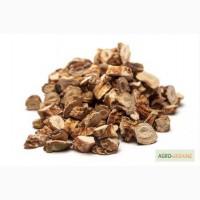
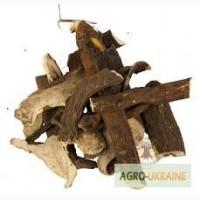
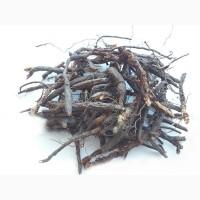
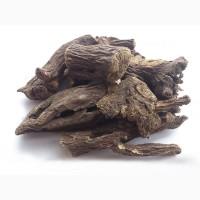
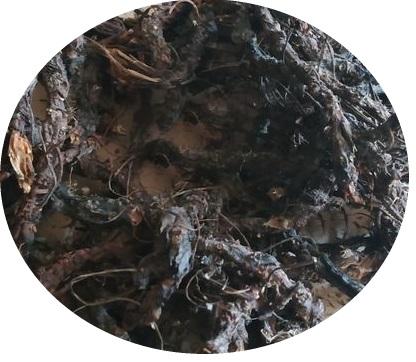
Gravylat river (root) 1 kg, Kharkiv region.
Price400 UAH.
Region:all of Ukraine,
Kharkiv region.
(Kharkiv)
Updated:
Gravylat has a wide application in everyday life First of all, it is known as a fodder plant in agriculture, but its use is not limited to this. Preparations of this plant are used in the tanning and dyeing industry. But the widest field of ego application is medical. The healing properties of various parts of gravilat have been known since ancient times. They are useful in the treatment of cough, as well as diseases of the gastrointestinal tract - colitis, gastritis, diarrhea. Cholecystitis and other diseases of the gallbladder are treated with the help of the aerial part of gravilat. It is also used as an external remedy in the treatment of skin diseases, wounds, ulcers, etc. Preparations of rhizomes with the roots of the river gravilat are similar in action to the preparations of gravilat of the city. Application of gravilat of the river in medicine. Rhizomes. In folk medicine, a decoction, powder - for headache, insomnia, eye diseases, rheumatism, hemorrhoids, diarrhea, as a tonic after severe diseases, for uterine and hemorrhoidal bleeding, malaria, scurvy, for inflammation of the kidneys, gall bladder and bladder, as an additional remedy for the treatment of tuberculosis, bronchial asthma and cough, as a means to increase potency; externally (powder) - for sprinkling purulent wounds and ulcers. Preparations are effective against snake venom, reduce the spastic effect of barium chloride. Aerial part. In folk medicine, the infusion is used for periodontitis, stomatitis, laryngitis. Gravylate, rich in vitamins, is sometimes used to preparenutritious salads, in some countries it is used to flavor alcoholic beverages. Folk medicine uses different parts of this plant. Usually, the entire aerial part of the gravilat, collected at the very beginning of the flowering period, which falls on May, is taken as a medicinal raw material. The gravilat grass contains glycosides, tannins, carotene, ascorbic acid, essentialoil and many other components. In addition, it is this part of the plant that is the richest in vitamins, which gives gravilat preparations general strengthening properties. Also, the plant has a hemostatic and wound-healing effect; it has diaphoretic, astringent and anti-inflammatory properties. Diarrhea, flatulence, colitis are treated with the help of gravilat.
|
Author, contacts | |
Julia / feedback, info. / activity evaluation | |
|
Phone:
+38(xxxxxx
show
| |
| Viber: 380672594366 | |
All user ads ~209 | |
Ad ID: #1115520
(added by a registered user, date registration: 04-30-2021)
Added / Updated: 09-11-2025 15:09 (current, until: 11-09-2026)
Permanent Ad Address:
Impressions / views for today: ?, total: ?
Similar ads
Among them there are many interesting ones...