For sale / buy
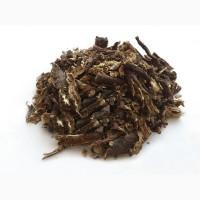
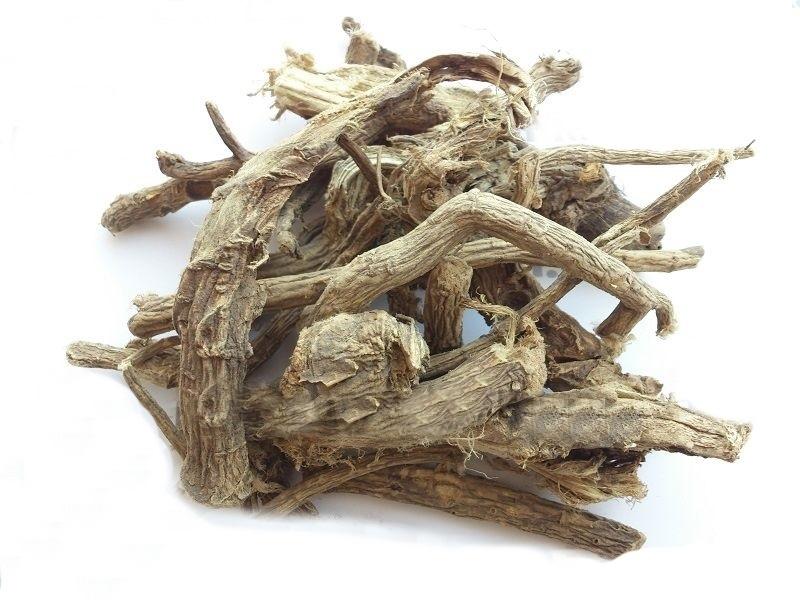
Altey medicinal (root) 1kg, Kharkiv region.
Region:all Ukraine,
Kharkiv region.
(Kharkiv)
Updated:
Althea officinalis root is often used for all kinds of respiratory diseases. It is used for emphysema and inflammation of the lungs, whooping cough, cough, asthma, tracheitis, bronchitis, tuberculosis, as well as for pharyngitis, angina, laryngitis and other inflammatory diseases of the oral cavity. The outdoor use of this plant is no less widespread. Compresses, lotions and washings from the root of althea are used for ringworm, any itching, psoriasis, bruises and other injuries, burns, abscesses and other skin diseases. In addition, they are used for radiculitis and arthritis, as well as eye diseases, such as barley, blepharitis and conjunctivitis. This plant is also used for diseases of the genitourinary system, for example, prostate adenoma, prostatitis, urolithiasis, urinary disorders, cystitis, and inflammation of the kidneys. In addition, the list of diseases in which folk medicine recommends taking althea root includes gastritis, peptic ulcer disease of the stomach and duodenum, diarrhea, enterocolitis, influenza, and neuralgia. The main industry in which this plant is used is folk medicine. It has quite strong expectorant and anti-inflammatory, as well as astringent properties. Altai officinalis is used to treat a large number of diseases of the respiratory system, including cough, angina, asthma, tuberculosis, emphysema, and pneumonia. In addition, with its help, they get rid of many skin diseases, including traumatic ones. Althea helps with some diseases of the gastrointestinal tract, eyes and other organs. The root of althea contains a large amount of mucous substances that provide its astringent properties. Sugars,starch, carotene, amino acids, mineral salts, lecithin, pectin and fattyoils.
|
Author, contacts | |
Julia / reviews, info. / activity evaluation | |
|
Phone:
+38(xxxxxx
show
| |
| Viber: 380672594366 | |
All ads user ~206 | |
Ad ID: #1115460
(added by registered user, registration date: 04-30-2021)
Added / Updated: 09-02-2026 18:42 (current, until: 02-09-2027)
Permanent Ad Address:
Impressions / views for today: ?, total: ?
Similar ads
There are many interesting ones among them...