/ Seeds, seedlings and seeding materials / Seeds of medicinal plants, herbs / Kanufer balsamicheskiy, Kanuper, Saratsynskaya miata...
For sale / buy
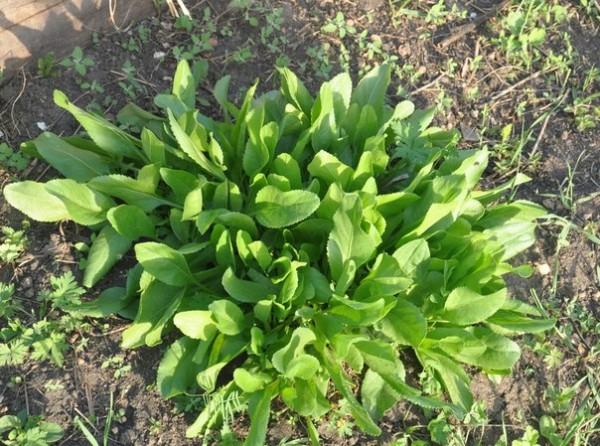
Canufer balsamic, canuper, Saracen mint, tansy balsam, Dnipropetrovsk region.
Region:all Ukraine,
Dnipropetrovsk region.
(Kryvyi Rih)
As a spicy seasoning for flavoring pickles and marinades, when preparing various drinks, in the liquor industry.
In European cuisine, kanupera is used for soups and salads, for preparing pies and pâtés.
It goes well with some types of meat, especially fatty meat, with veal, poultry and game. Ego is added to the food in small quantities due to its strong smell. They also make the famous balsamic tea with it.
Kanufera flowers in the form of powder or aqueous infusions are used for diseases of the liver (hepatitis, ankyholitis) and intestines, for ascariasis and pinworms. It is known that an infusion of Kanufera flowers increases the amplitude of the heartbeat, increases blood pressure, normalizes bile secretion, and has a positive effect on gastrointestinal secretion.
The wound-healing and anti-cystocide effect of Kanufer in giardiasis and catarrhal cholecystitis, peptic ulcer disease of the stomach and intestines has been noted. Infusions are applied to boils and tumors, in gynecology infusions are used in the form of a syringe.
This plant grows without problems. In general, it is unpretentious to soils, but does not tolerate waterlogging, prefers open sunny areas. Winters well without shelter. When choosing a place for cultivation, it is necessary to take into account the factor of dustiness, since pubescent leaves can become heavily polluted, which will eventually make it difficult to use the plant for medicinal purposes, and its decorative qualities will decrease. Kanufer can grow in one place for up to 10 years, then it begins to shrink, and subsequently the once luxurious bush may die. Therefore, it is better to rejuvenate old specimens by dividing the bush.
The plant is propagated by division, as well as by root cuttings.
(//tractor-service.com)
What else can be done with it
- add fresh leaves when salting/pickling cucumbers, tomatoes, squash, mushrooms;
- dry the leaves and rinse the hair with the decoction;
- make balsamic oiloil for bruises, hematomas and pimples, pour fresh leaves with warmed olive oil 1:5;
- make sachets with it to give linen freshness and repel moths;
- add when making beer, kvass or liqueur. Canupera leaves are used in the famous Chartreuse;
- insist onvinegar leaves, it is possible in a mixture with tarragon;
- add dry leaves to tea against colds, along with oregano and thyme;
- sprinkle herbs with infusionvegetables from pests;
Unfortunately, this plant can currently be purchased only from true connoisseurs or by inheritance with a purchased garden plot. Therefore, do not rush to say goodbye to the plant heritage left by the old owners, take a closer look, perhaps you will find this unusual plant in yourself.
In European cuisine, kanupera is used for soups and salads, for preparing pies and pâtés.
It goes well with some types of meat, especially fatty meat, with veal, poultry and game. Ego is added to the food in small quantities due to its strong smell. They also make the famous balsamic tea with it.
Kanufera flowers in the form of powder or aqueous infusions are used for diseases of the liver (hepatitis, ankyholitis) and intestines, for ascariasis and pinworms. It is known that an infusion of Kanufera flowers increases the amplitude of the heartbeat, increases blood pressure, normalizes bile secretion, and has a positive effect on gastrointestinal secretion.
The wound-healing and anti-cystocide effect of Kanufer in giardiasis and catarrhal cholecystitis, peptic ulcer disease of the stomach and intestines has been noted. Infusions are applied to boils and tumors, in gynecology infusions are used in the form of a syringe.
This plant grows without problems. In general, it is unpretentious to soils, but does not tolerate waterlogging, prefers open sunny areas. Winters well without shelter. When choosing a place for cultivation, it is necessary to take into account the factor of dustiness, since pubescent leaves can become heavily polluted, which will eventually make it difficult to use the plant for medicinal purposes, and its decorative qualities will decrease. Kanufer can grow in one place for up to 10 years, then it begins to shrink, and subsequently the once luxurious bush may die. Therefore, it is better to rejuvenate old specimens by dividing the bush.
The plant is propagated by division, as well as by root cuttings.
(//tractor-service.com)
What else can be done with it
- add fresh leaves when salting/pickling cucumbers, tomatoes, squash, mushrooms;
- dry the leaves and rinse the hair with the decoction;
- make balsamic oiloil for bruises, hematomas and pimples, pour fresh leaves with warmed olive oil 1:5;
- make sachets with it to give linen freshness and repel moths;
- add when making beer, kvass or liqueur. Canupera leaves are used in the famous Chartreuse;
- insist onvinegar leaves, it is possible in a mixture with tarragon;
- add dry leaves to tea against colds, along with oregano and thyme;
- sprinkle herbs with infusionvegetables from pests;
Unfortunately, this plant can currently be purchased only from true connoisseurs or by inheritance with a purchased garden plot. Therefore, do not rush to say goodbye to the plant heritage left by the old owners, take a closer look, perhaps you will find this unusual plant in yourself.
Ad ID: #1066844
(added by a registered user)
Permanent Ad Address:
Impressions / views for today: ?, total: ?
Similar recent ads
There are many interesting ones among them...





Total31 similar fresh adsin the section "Seeds of medicinal plants, herbs"
Dnipropetrovsk Region: Seeds, seedlings and seedlings materials 123 / Seeds of medicinal plants, herbs 1