
Sell / buy
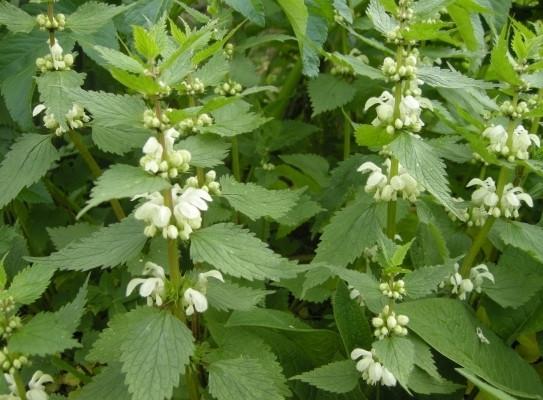
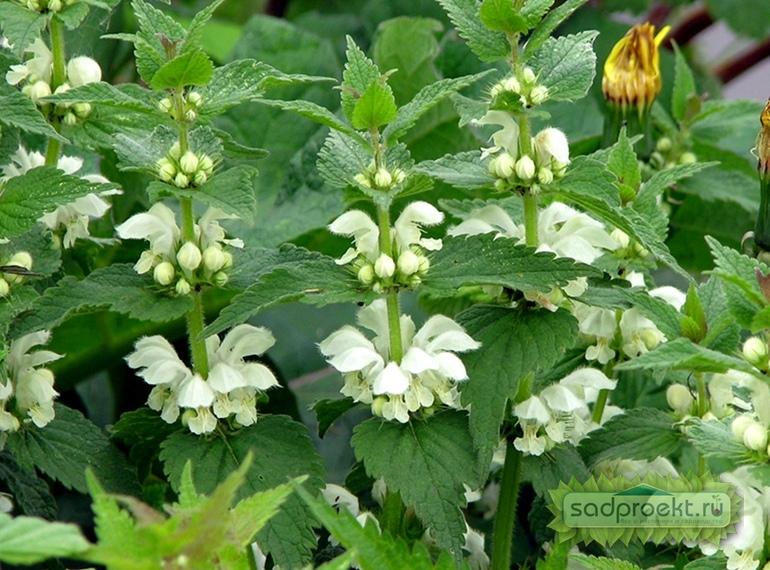
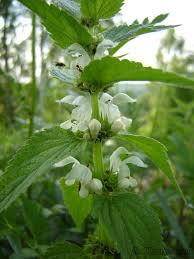
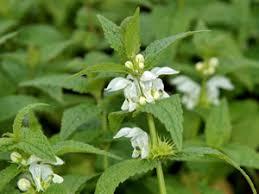
Jasnotki beloy juice, 210 ml, Dnipropetrovsk region.
Price240 UAH.
Region:all Ukraine,
Dnipropetrovsk region.
(Https://dobriy-lis.all.biz/)
Updated:
In practical medicinewhite hyacinth used as an anti-inflammatory, hemostatic, antispasmodic agent for cystitis, urethritis, nephritis. As an expectorant - for bronchitis, as a hemostatic - for pulmonary and uterine bleeding. But the most widely used are preparations from the flowers of the hyacinth in folk medicine in the form of juice, tincture, and powders. So, these flowers are taken for pulmonary, uterine and hemorrhoidal bleeding, for inflammation of the kidneys, renal pelvis, bladder and urethra, for furunculosis, eczema.
White hyacinth juice: pressed from flowers or grass. Take 2-3 tablespoons of juice with a spoonful of honey 3 times a day.
With anemia, various bleedings, drink the juice of hyacinth, 1 tbsp. spoon 3 times a day.
German folk medicine recommends taking the infusion of flowers inside for diseases of the bladder and urinary tract, kidney diseases, gastrointestinal diseases, diarrhea, dysentery, painful menstruation, insomnia.
According to literature data, the preparations of white hyacinth, having a hemostatic and uterine effect, strengthen the contraction of the uterine muscles.
(//tractor-service.com)
The uterine effect of the herb tincture is more pronounced than that of pituytrin, chisteca tincture, and ergot preparations. That's why the tincture of the hyacinth herb is recommended for wide use in obstetrics and gynecology practice.
Take freshly prepared juice from the plant 1 tablespoon 4 times a day before meals for neurasthenia.
The saponins and mucus contained in the flowers of the hyacinth help in the treatment of bronchitis, bronchial asthma, tracheitis and other diseases of the respiratory organs, and colds. Saponins thin sputum and contribute to the removal of mucus from the body. Along the way, the hyacinth has a tonic and calming effect, which is useful for insomnia and neurosis, neurasthenia and hysteria.
In the treatment of skin diseases, baths and lotions made of hyacinth help (especially in combination withyarrow).Jasnotkoy treat eczema, furunculosis, burns, skin rashes.
Take 1 tbsp. spoon 4 times a day during meals or used for lotions (in the treatment of skin diseases).
The juice of hyacinth flowers and leaves is recommended internally and externally for diathesis in children, furunculosis, and skin rashes. An infusion of white hyacinth flowers is used for gargling as an anti-inflammatory agent during angina. Jasnotki flowers are included in collections used for allergic dermatitis, psoriasis, acne, etc.
White hyacinth juice: pressed from flowers or grass. Take 2-3 tablespoons of juice with a spoonful of honey 3 times a day.
With anemia, various bleedings, drink the juice of hyacinth, 1 tbsp. spoon 3 times a day.
German folk medicine recommends taking the infusion of flowers inside for diseases of the bladder and urinary tract, kidney diseases, gastrointestinal diseases, diarrhea, dysentery, painful menstruation, insomnia.
According to literature data, the preparations of white hyacinth, having a hemostatic and uterine effect, strengthen the contraction of the uterine muscles.
(//tractor-service.com)
The uterine effect of the herb tincture is more pronounced than that of pituytrin, chisteca tincture, and ergot preparations. That's why the tincture of the hyacinth herb is recommended for wide use in obstetrics and gynecology practice.
Take freshly prepared juice from the plant 1 tablespoon 4 times a day before meals for neurasthenia.
The saponins and mucus contained in the flowers of the hyacinth help in the treatment of bronchitis, bronchial asthma, tracheitis and other diseases of the respiratory organs, and colds. Saponins thin sputum and contribute to the removal of mucus from the body. Along the way, the hyacinth has a tonic and calming effect, which is useful for insomnia and neurosis, neurasthenia and hysteria.
In the treatment of skin diseases, baths and lotions made of hyacinth help (especially in combination withyarrow).Jasnotkoy treat eczema, furunculosis, burns, skin rashes.
Take 1 tbsp. spoon 4 times a day during meals or used for lotions (in the treatment of skin diseases).
The juice of hyacinth flowers and leaves is recommended internally and externally for diathesis in children, furunculosis, and skin rashes. An infusion of white hyacinth flowers is used for gargling as an anti-inflammatory agent during angina. Jasnotki flowers are included in collections used for allergic dermatitis, psoriasis, acne, etc.
|
Store, contacts | |
Yuriy Yuryevich/ feedback, info./ activity evaluation | |
|
Telephone:
(067xxxxxx
show
| |
| https://dobriy-lis.all.biz/ | |
All ads user ~57 | |
Ad ID: #1025030
(added by registered user, registration date: 2014-08-20)
Added / Updated: 06-01-2026 09:02 (current, until: 06-01-2027)
Permanent Ad Address:
Impressions / views for today: ?, total: ?
Similar ads
Among them there are many interesting ones...