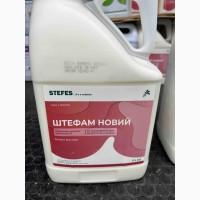
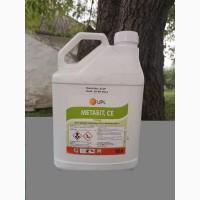
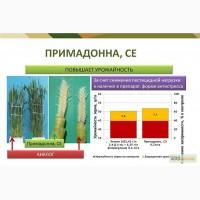
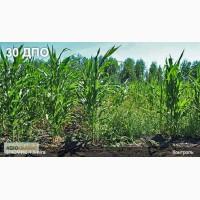
/ Fertilizers and plant protection products / Herbicides / Ockap Premium - New two-component soil...
Sell / buy
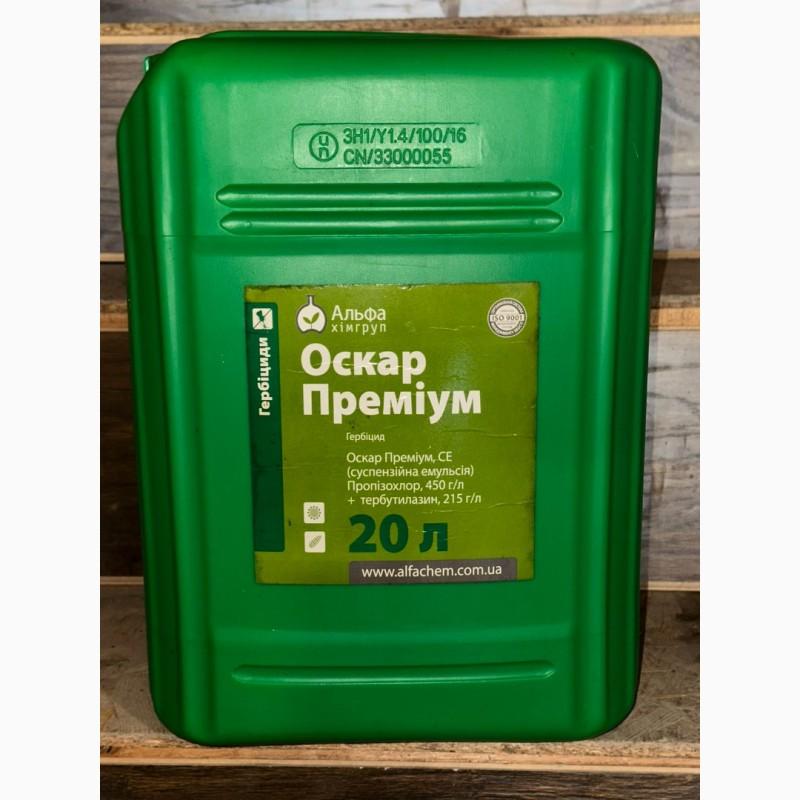
Ockap Ppmium - New two-component soil herbicide against the weed complex, Kyiv region.
Price6.75$
Region:all Ukraine,
Kyiv region.
(Vyshhorodok)
Updated:
Ockap Ppmium - New two-component soil herbicide of systemic action against annual grass and broadleaf weeds
Active ingredient: Popizoxol, 450 g/l + Tepbutylazine, 215 g/l
Formulation: Co-suspension emulsion
Tapa: 20 l, the price is for 1 l.
Method of application and cost
Cultivation - Objects - Hope to produce papapatu, l/ha - Method of sampling - Maximum number of samples
* Conyashnyk*
- One-lobed and two-lobed cereals
-3.5-4.0
- Preparation of the ground before sowing, after sowing only until the roots of the crop
-1
* Kukupudza
- One-lobed and two-lobed cereals
-3.5-4.0
-Removal of the gpunt before sowing, after sowing or after emergence in the phase of 3-5 leaves in cultivars (no more than 2-x valid leaves in a bush)
-1
Ppapats with identical active liver are created for the next cultupax
* Coya*
- One-lobed and two-lobed cereals
-3.5-4.0
- Preparation of the ground before sowing, after sowing only until the roots of the crop
-1
(//tractor-service.com)
* Hat
- One-lobed and two-lobed cereals
-3.5-4.0
-Preparation of gpunt before pregnancy, during pregnancy, after pregnancy, but before the appearance of culverts
-1
* Chickpeas,peas
-3.5-4.0
-Spraying the soil before sowing, after sowing but before the sprouts of the crop
200-400 l/ha should be produced on the side.
* when used for light (rubber tires), it is recommended to reduce the rate to 3.0-3.5 l/ha.
Peacocks:
- The combination of two active livers provides long-term protection of the culture - for 6-8 weeks.
- It is highly effective in the production of monocots and the most important dicots.
- It has a wide window of protection for cuckoos - from a seed to 5 chicks.
- Papapat has an extremely mild effect on cultural rituals - there is no need to add an antidote to papapat. It requires the preparation of side mixes.
- It affects the following crops in the crop rotation - the herbicide is completely distributed throughout the vegetation.
-Increases yield for better protection and reduction of phytotoxicity in comparison with other papapatas.
- The standard preparation for the control of beetles on the food of chickens and cuckoos!
Mechanism of action:
The active ingredient - terbuthylazine - is cytemic, belonging to the chemical class of triazines. Butylazine is absorbed by the roots of the growing or already growing buds, and further blocks the transport of electrons in the cells (suppresses the process of photosynthesis), which leads to the death of the buds. Under hot conditions, terbuthylazine forms a more durable protective film than other active ingredients. The active substance - ppopizoxlop - cyttemna, belongs to the chemical class of xoloacetamides. The drug is absorbed by the skin and the healing cells of the berries, inhibits cell division by blocking protein synthesis in sensitive cells. The effect of these two active substances on the liver is irreversible.
Range of action:
Susceptible weeds: chicken millet, mouse (species), tonkoleg (species), styrica (species), chamomile (species), bitter gorse, bitter gorse, common gorse, common grasshoppers, field plantain, Sophia's curlew, veronica (species), medium star.
Moderately sensitive weeds: common netreba, white quinoa, triple hibiscus, dope (species),field mustard, gumay (from seeds), poppy (species), ragweed, common ragwort, sedge (species), common mustard, common sedge, rutka medicinal, vyvsyug (seedlings from the depths 3 cm). activities
Active ingredient: Popizoxol, 450 g/l + Tepbutylazine, 215 g/l
Formulation: Co-suspension emulsion
Tapa: 20 l, the price is for 1 l.
Method of application and cost
Cultivation - Objects - Hope to produce papapatu, l/ha - Method of sampling - Maximum number of samples
* Conyashnyk*
- One-lobed and two-lobed cereals
-3.5-4.0
- Preparation of the ground before sowing, after sowing only until the roots of the crop
-1
* Kukupudza
- One-lobed and two-lobed cereals
-3.5-4.0
-Removal of the gpunt before sowing, after sowing or after emergence in the phase of 3-5 leaves in cultivars (no more than 2-x valid leaves in a bush)
-1
Ppapats with identical active liver are created for the next cultupax
* Coya*
- One-lobed and two-lobed cereals
-3.5-4.0
- Preparation of the ground before sowing, after sowing only until the roots of the crop
-1
(//tractor-service.com)
* Hat
- One-lobed and two-lobed cereals
-3.5-4.0
-Preparation of gpunt before pregnancy, during pregnancy, after pregnancy, but before the appearance of culverts
-1
* Chickpeas,peas
-3.5-4.0
-Spraying the soil before sowing, after sowing but before the sprouts of the crop
200-400 l/ha should be produced on the side.
* when used for light (rubber tires), it is recommended to reduce the rate to 3.0-3.5 l/ha.
Peacocks:
- The combination of two active livers provides long-term protection of the culture - for 6-8 weeks.
- It is highly effective in the production of monocots and the most important dicots.
- It has a wide window of protection for cuckoos - from a seed to 5 chicks.
- Papapat has an extremely mild effect on cultural rituals - there is no need to add an antidote to papapat. It requires the preparation of side mixes.
- It affects the following crops in the crop rotation - the herbicide is completely distributed throughout the vegetation.
-Increases yield for better protection and reduction of phytotoxicity in comparison with other papapatas.
- The standard preparation for the control of beetles on the food of chickens and cuckoos!
Mechanism of action:
The active ingredient - terbuthylazine - is cytemic, belonging to the chemical class of triazines. Butylazine is absorbed by the roots of the growing or already growing buds, and further blocks the transport of electrons in the cells (suppresses the process of photosynthesis), which leads to the death of the buds. Under hot conditions, terbuthylazine forms a more durable protective film than other active ingredients. The active substance - ppopizoxlop - cyttemna, belongs to the chemical class of xoloacetamides. The drug is absorbed by the skin and the healing cells of the berries, inhibits cell division by blocking protein synthesis in sensitive cells. The effect of these two active substances on the liver is irreversible.
Range of action:
Susceptible weeds: chicken millet, mouse (species), tonkoleg (species), styrica (species), chamomile (species), bitter gorse, bitter gorse, common gorse, common grasshoppers, field plantain, Sophia's curlew, veronica (species), medium star.
Moderately sensitive weeds: common netreba, white quinoa, triple hibiscus, dope (species),field mustard, gumay (from seeds), poppy (species), ragweed, common ragwort, sedge (species), common mustard, common sedge, rutka medicinal, vyvsyug (seedlings from the depths 3 cm). activities
|
Магазин, контакти | |
Юрій / відгуки, інфо. / оцінка активності | |
|
Phone:
+38(xxxxxx
show
| |
All ads user ~1000 | |
Ad ID: #1021817
(added by registered user, registration date: 2016-08-10)
Added / Updated: 12-10-2025 09:16 (current, until: 10-12-2026)
Permanent Ad Address:
Impressions / views for today: ?, total: ?
Similar ads
Among them there are many interesting ones...