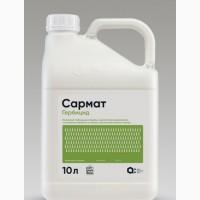
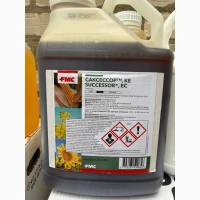
/ Fertilizers and plant protection products / Herbicides / Extrazin - herbicide against a wide range of weeds...

For sale / buy
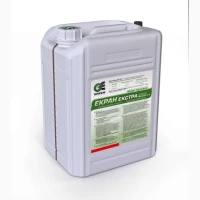
Extrazin - a herbicide against a wide range of weeds in sunflower, corn, soybean, chickpea crops, Kyiv region region.
Price10$
Region:
Kyiv region.
(Vyshhorodok)
Updated:
Extrazin herbicide - systemic selective soil herbicide against broad spectrum of dicotyledonous weeds, for crops such assunflower,corn, soybeans, chickpeas.
Active substance content: terbutalazine, 500 g/l
Preparative form: suspension concentrate
Packaging: 20 l, the price is for 1 l.
Advantages of the drug:
long-term protective effect - up to 60 days;
on corn, it is possible to spray the crop in the phase of 3-5 leaves;
relieves the problem with cruciferous weeds;
not phytotoxic to cultivated plants.
Application of the drug:
Corn
Consumption rate, l/ha - 1.5-2.5
Spraying period - Before the seedlings or 3-5 leaves(//tractor-service.com)
Sunflower
Consumption rate, l/ha - 1.5-2.5
Spraying period - Before sowing, during sowing, after sowing, but before the emergence of the crop
Soya
Consumption rate, l/ha - 1.5-2.5
Spraying period - Before sowing, during sowing, after sowing, but before the sprouts of the crop
Chickpeas
Consumption rate, l/ha - 1.5-2.5
Spraying period - Before sowing, during sowing, after sowing, but before the sprouts of the crop.
Mechanism of action:
Extrazin destroys chloroplasts and suppresses the process of photosynthesis. As a result, breathing stops and the energy balance is disturbed, which causes a violation of the general vital activity of the weed and its death. When applied to the soil, it is absorbed by the roots. Characteristic symptoms of the drug are yellowing of the vegetative mass followed by death (necrosis).
Range of action:
Sensitive dicotyledonous weeds: bitter gorse (species), common sedum, styrytsa (species,mustard field, wild radish, garden purslane, common nettle, common suripice, white quinoa, medium star, black solanum, rapeseed, carrion, field plantain, medicinal turnip, Cofia's curlew, tricolor violet, ragweed, chamomile (species), deaf nettle (species), galinsoga (species, gills (species), grasshoppers.
Active substance content: terbutalazine, 500 g/l
Preparative form: suspension concentrate
Packaging: 20 l, the price is for 1 l.
Advantages of the drug:
long-term protective effect - up to 60 days;
on corn, it is possible to spray the crop in the phase of 3-5 leaves;
relieves the problem with cruciferous weeds;
not phytotoxic to cultivated plants.
Application of the drug:
Corn
Consumption rate, l/ha - 1.5-2.5
Spraying period - Before the seedlings or 3-5 leaves(//tractor-service.com)
Sunflower
Consumption rate, l/ha - 1.5-2.5
Spraying period - Before sowing, during sowing, after sowing, but before the emergence of the crop
Soya
Consumption rate, l/ha - 1.5-2.5
Spraying period - Before sowing, during sowing, after sowing, but before the sprouts of the crop
Chickpeas
Consumption rate, l/ha - 1.5-2.5
Spraying period - Before sowing, during sowing, after sowing, but before the sprouts of the crop.
Mechanism of action:
Extrazin destroys chloroplasts and suppresses the process of photosynthesis. As a result, breathing stops and the energy balance is disturbed, which causes a violation of the general vital activity of the weed and its death. When applied to the soil, it is absorbed by the roots. Characteristic symptoms of the drug are yellowing of the vegetative mass followed by death (necrosis).
Range of action:
Sensitive dicotyledonous weeds: bitter gorse (species), common sedum, styrytsa (species,mustard field, wild radish, garden purslane, common nettle, common suripice, white quinoa, medium star, black solanum, rapeseed, carrion, field plantain, medicinal turnip, Cofia's curlew, tricolor violet, ragweed, chamomile (species), deaf nettle (species), galinsoga (species, gills (species), grasshoppers.
|
Shop, contacts | |
Yuriy / reviews, info. / evaluation activities | |
|
Phone:
+38(xxxxxx
show
| |
All ads user ~1000 | |
Ad ID: #1021610
(added by registered user, registration date: 2016-08-10)
Added / Updated: 2026-09-23 09:25 (current, until: 09-23-2027)
Permanent Ad Address:
Impressions / views for today: ?, total: ?
Similar ads
There are many interesting ones among them...