
Sell / buy
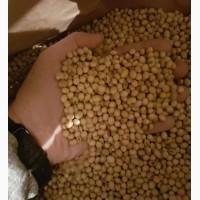
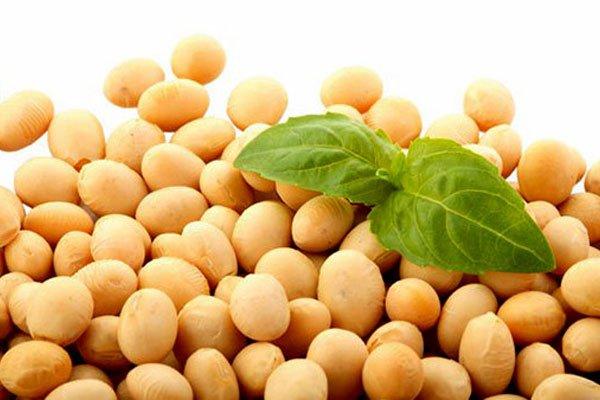
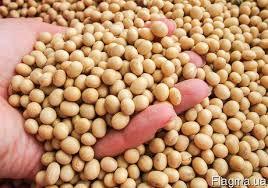
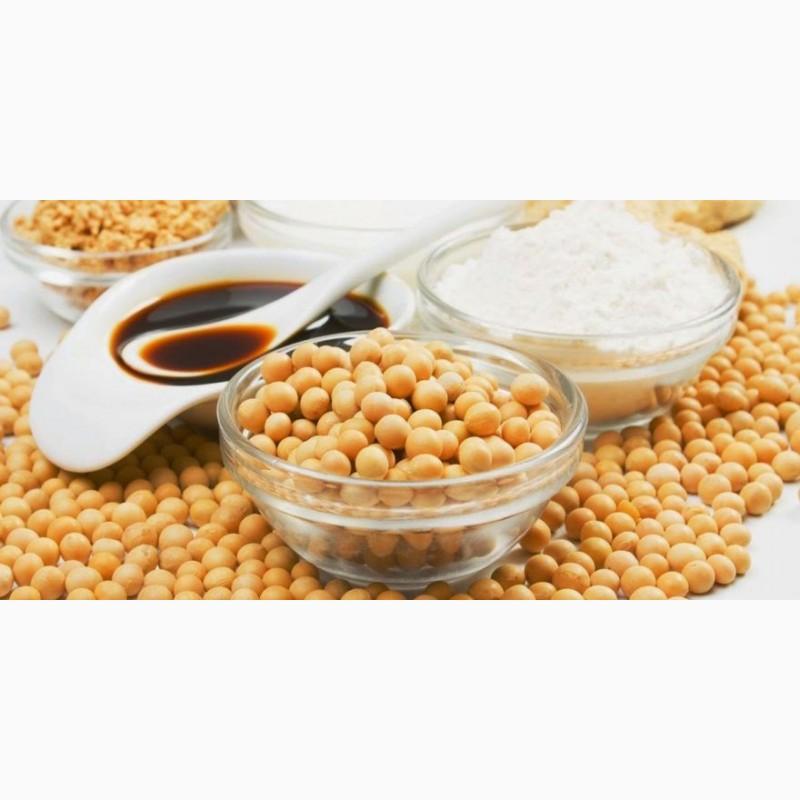
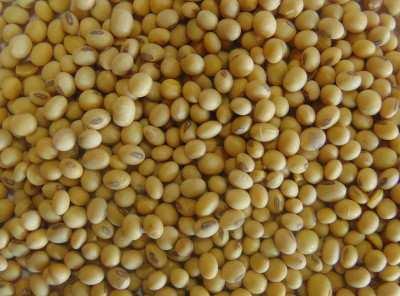
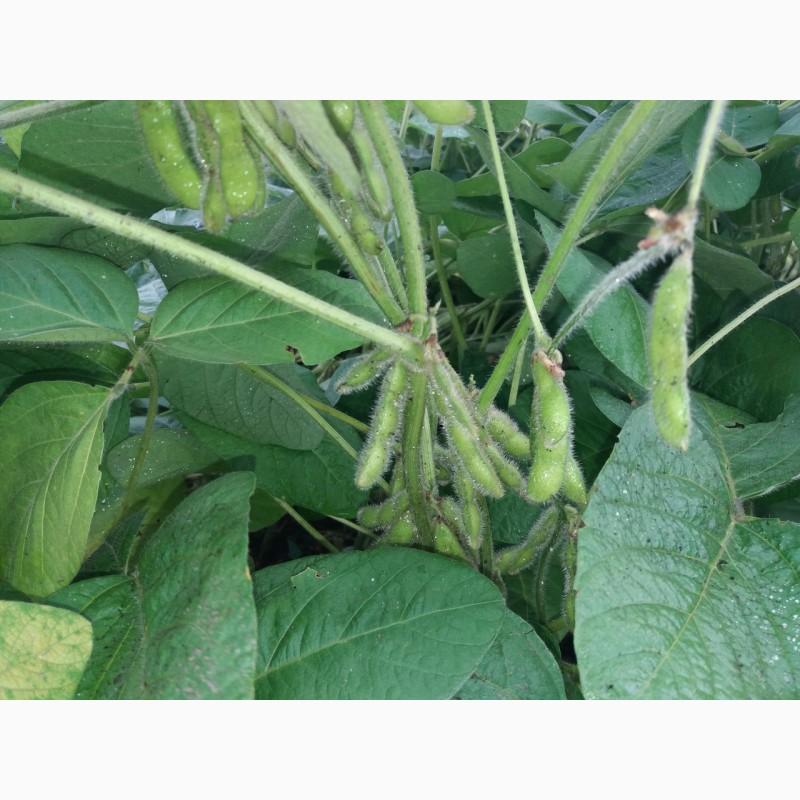
Soybean seeds early variety Canadian transgenic pod roundup ABEE, Kherson region.
Price60 UAH. / kg
Region:all of Ukraine,
Kherson region.
(Kherson)
Updated:
Grain destination: Posevnoy material
Quantity: 20 tons
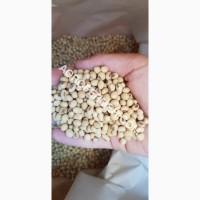
The weight of 1000 seeds of the Canadian transgenic ABEE soybean variety is 157 grams.
Germination - 97%, Germination energy - 97%, Typicality - 99.99%, Humidity - 8%, Purity - 99.99%.
The yield of the Canadian ABEE soybean variety is 65–70 cents. with 1 ha.
Soya (Glycine max seeds.) ABEE transgenic soybean variety. Scientifically developed on the basis of nano-technologies in Canada by the well-known Canadian SERTIS Holding and the American chemical concern DOW Chemikal in 2016, it showed excellent results in drought resistance due to the harsh climate of Canada. Passed hybrid tests in Russia, India, Kyrgyzstan, Kazakhstan, Argentina, Egypt, Tanzania, Ethiopia average subject. + 55 °C.
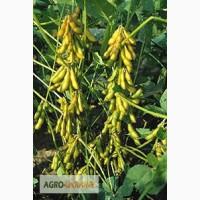
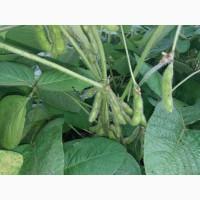
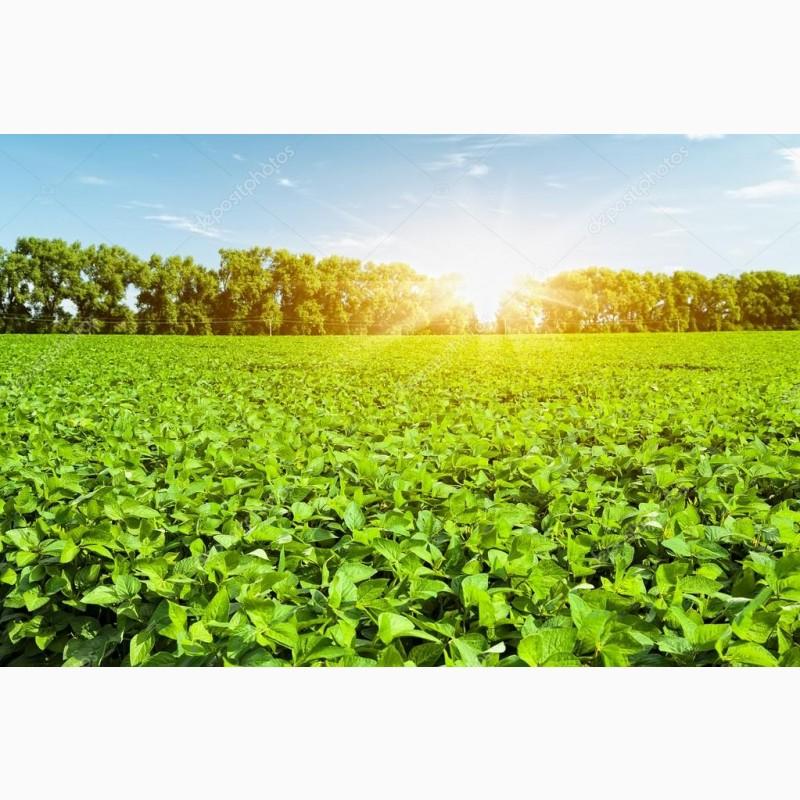
The height of the stem is 1.30–1.40 meters, the stem is straight, powerful, the diameter of the calliper is 20 mm. The root is powerful and taproots in the ground to a depth of 350 cm. The mounting height oflower soybeans soybeans is 12 cm, the number of pods in the nodes is 8 pods and they are located at a distance from the lower 3 cm to the upper next node. The soybean fruit is a bean with two opening flaps and usually containing 6 seeds along the dorsal seams. Bean large reaches 8 cm in length, has up to 420 beans on one plant, resistant to cracking. The pericarp (bean flaps) of soybeans consists of 3 layers: exocarp, mesocarp, and endocarp. Shapesoybean seeds oval, seed coat, dense, shiny, impermeable to water forms hard seeds.
Essential differences between transgenic soybeans and ordinary hybrids and varieties are that:
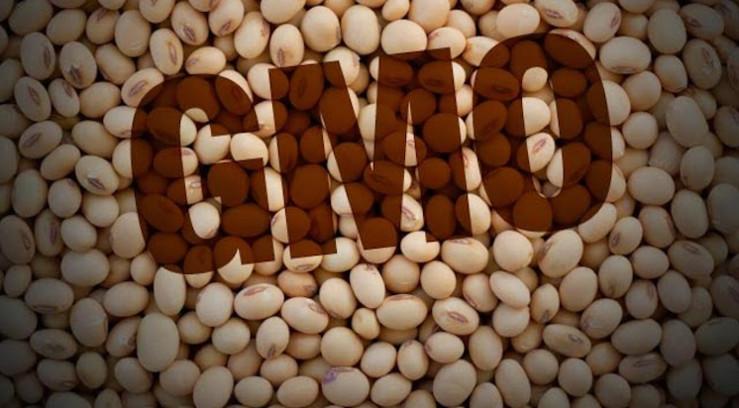
it is resistant to EPSP Synthase isolated from the soil bacterium Agrobacterium sp. strain СП4 transferred into the soybean genome with the help of a gene gun, which made this soybean resistant to the continuous action herbicide RR Roundup Ready.
Soybean is characterized by good drought resistance up to + 60 °C, characterized by uniform ripening, resistant to lying down and shedding (heavy rains, wind, hail), soybean is harvested directly and does not require desiccation.
This soybean variety is resistant to all soybean diseases that affect common soybean varieties and hybrids and is not affected by diseases such as (fusarium, cercosporosis, false powdery mildew, rusty spot, rust, powdery mildew, ascochitosis, angular spot, etc.). And it is practically not affected by these diseases.
Resistant transgenic soybean to viral diseases, wrinkled mosaic, yellow mosaic, pustular bacteriosis, bacterial burn, black spot.
It is resistant to abiotic stresses (sharp temperature changes from + 60 °C to -10 °C) throughout the growing season.
The content of soybean oil in soybeans is 51–53%. This soybean variety is self-pollinating and does not require the presence of bees. This soybean variety is resistant to acid rain.
This variety was sown in Ukraine and showed excellent yield results. The Canadian transgenic soybean variety ABEE perfectly tolerates early spring frosts of -10 °C.(//tractor-service.com)
The mass of 1000 seeds of the Canadian transgenic ABEE soybean variety is 157 grams.
Germination – 97%, Germination energy – 97%, Typicality – 99.99%, Moisture – 8%, Purity – 99.99%.
The yield of the Canadian ABEE soybean variety is 65–70 cents. with 1 ha.
Sowing Sowing of ABEE transgenic soybeans begins in the spring from March 20 and until June 10 inclusively, it is possible to sow soybeans at a temperature of +5 °С, +8 °С, since it is not afraid of spring frosts, soybean sprouts appear after 8–10 days.
The rate of sowing of the Canadian ABEE soybean variety per hectare is 600,000, it is sown to a depth of 4 cm on light soils and 2 cm on heavy soils, with rows 15 x 30 cm, the method of sowing is narrow-row 7.5 cm, which consists of pneumatic seeders and seed drills with SZT-3, SZU-3, SZ-3, SZA-3, SPG-6MF, and also precision drills.
Soybean yield depends on the density of planting. For southern steppe areas, the optimal planting density is 600,000 per hectare, for forest-steppe areas, 650,000 per hectare. For soybeans, shingle plowing is recommended. Pre-sowing soil treatment should provide fine-grained, well-drained soil. Only well-dried soil is processed. Surface application of fertilizer at the same time protects the soil from siltation.
Herbicide: It is processed with systemic herbicide Roundup (isopropylamine salt of glyphosate 607 g/l) for the destruction of a wide range of annual cereals, perennial weeds, dicotyledonous weeds, and also has a dual mechanism of action of the drug. It kills vegetative plants and weeds that grow from seeds. cuticle, and then gets directly into the root system, which leads to the cessation of cell growth and the death of plants after 20–30 days. The herbicide is applied with the help of ground sprayers, after the appearance of soybean sprouts in the phase of 2 to 5 real soybean leaves (soy cotyledons are not taken into account), it is possible to carry out roundup treatment every month in 2 liters until July. The consumption rate of Roundup herbicide is 2 l/ha.
Fertilizers: Application of phosphorus and nitrogen fertilizers increases not only productivity, but also oiliness. Recommended application doses of fertilizer 100–105 kg/ha superphosphate at the time of sowing and nitroammophoska 120–130 kg/ha before sowing or after soybean seedlings.
Insecticides: Treat with a preservative before sowingTabu soybean seeds Neo 1 l per 1 ton of soybean seeds, or with a Kosmos preservative 500–500 g/l Fipronil.
The vegetation period of the transgenic Canadian ABEE soybean variety from sowing to harvesting is 88 days (early).
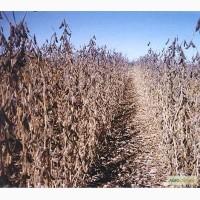
Harvesting of soybeans should begin when the leaves have fallen, the stalks have dried and at a humidity of 14–15%, harvesting is carried out with ordinary combines Don, Zhondyr, Case. activities
Germination - 97%, Germination energy - 97%, Typicality - 99.99%, Humidity - 8%, Purity - 99.99%.
The yield of the Canadian ABEE soybean variety is 65–70 cents. with 1 ha.
Soya (Glycine max seeds.) ABEE transgenic soybean variety. Scientifically developed on the basis of nano-technologies in Canada by the well-known Canadian SERTIS Holding and the American chemical concern DOW Chemikal in 2016, it showed excellent results in drought resistance due to the harsh climate of Canada. Passed hybrid tests in Russia, India, Kyrgyzstan, Kazakhstan, Argentina, Egypt, Tanzania, Ethiopia average subject. + 55 °C.
The height of the stem is 1.30–1.40 meters, the stem is straight, powerful, the diameter of the calliper is 20 mm. The root is powerful and taproots in the ground to a depth of 350 cm. The mounting height oflower soybeans soybeans is 12 cm, the number of pods in the nodes is 8 pods and they are located at a distance from the lower 3 cm to the upper next node. The soybean fruit is a bean with two opening flaps and usually containing 6 seeds along the dorsal seams. Bean large reaches 8 cm in length, has up to 420 beans on one plant, resistant to cracking. The pericarp (bean flaps) of soybeans consists of 3 layers: exocarp, mesocarp, and endocarp. Shapesoybean seeds oval, seed coat, dense, shiny, impermeable to water forms hard seeds.
Essential differences between transgenic soybeans and ordinary hybrids and varieties are that:
it is resistant to EPSP Synthase isolated from the soil bacterium Agrobacterium sp. strain СП4 transferred into the soybean genome with the help of a gene gun, which made this soybean resistant to the continuous action herbicide RR Roundup Ready.
Soybean is characterized by good drought resistance up to + 60 °C, characterized by uniform ripening, resistant to lying down and shedding (heavy rains, wind, hail), soybean is harvested directly and does not require desiccation.
This soybean variety is resistant to all soybean diseases that affect common soybean varieties and hybrids and is not affected by diseases such as (fusarium, cercosporosis, false powdery mildew, rusty spot, rust, powdery mildew, ascochitosis, angular spot, etc.). And it is practically not affected by these diseases.
Resistant transgenic soybean to viral diseases, wrinkled mosaic, yellow mosaic, pustular bacteriosis, bacterial burn, black spot.
It is resistant to abiotic stresses (sharp temperature changes from + 60 °C to -10 °C) throughout the growing season.
The content of soybean oil in soybeans is 51–53%. This soybean variety is self-pollinating and does not require the presence of bees. This soybean variety is resistant to acid rain.
This variety was sown in Ukraine and showed excellent yield results. The Canadian transgenic soybean variety ABEE perfectly tolerates early spring frosts of -10 °C.(//tractor-service.com)
The mass of 1000 seeds of the Canadian transgenic ABEE soybean variety is 157 grams.
Germination – 97%, Germination energy – 97%, Typicality – 99.99%, Moisture – 8%, Purity – 99.99%.
The yield of the Canadian ABEE soybean variety is 65–70 cents. with 1 ha.
Sowing Sowing of ABEE transgenic soybeans begins in the spring from March 20 and until June 10 inclusively, it is possible to sow soybeans at a temperature of +5 °С, +8 °С, since it is not afraid of spring frosts, soybean sprouts appear after 8–10 days.
The rate of sowing of the Canadian ABEE soybean variety per hectare is 600,000, it is sown to a depth of 4 cm on light soils and 2 cm on heavy soils, with rows 15 x 30 cm, the method of sowing is narrow-row 7.5 cm, which consists of pneumatic seeders and seed drills with SZT-3, SZU-3, SZ-3, SZA-3, SPG-6MF, and also precision drills.
Soybean yield depends on the density of planting. For southern steppe areas, the optimal planting density is 600,000 per hectare, for forest-steppe areas, 650,000 per hectare. For soybeans, shingle plowing is recommended. Pre-sowing soil treatment should provide fine-grained, well-drained soil. Only well-dried soil is processed. Surface application of fertilizer at the same time protects the soil from siltation.
Herbicide: It is processed with systemic herbicide Roundup (isopropylamine salt of glyphosate 607 g/l) for the destruction of a wide range of annual cereals, perennial weeds, dicotyledonous weeds, and also has a dual mechanism of action of the drug. It kills vegetative plants and weeds that grow from seeds. cuticle, and then gets directly into the root system, which leads to the cessation of cell growth and the death of plants after 20–30 days. The herbicide is applied with the help of ground sprayers, after the appearance of soybean sprouts in the phase of 2 to 5 real soybean leaves (soy cotyledons are not taken into account), it is possible to carry out roundup treatment every month in 2 liters until July. The consumption rate of Roundup herbicide is 2 l/ha.
Fertilizers: Application of phosphorus and nitrogen fertilizers increases not only productivity, but also oiliness. Recommended application doses of fertilizer 100–105 kg/ha superphosphate at the time of sowing and nitroammophoska 120–130 kg/ha before sowing or after soybean seedlings.
Insecticides: Treat with a preservative before sowingTabu soybean seeds Neo 1 l per 1 ton of soybean seeds, or with a Kosmos preservative 500–500 g/l Fipronil.
The vegetation period of the transgenic Canadian ABEE soybean variety from sowing to harvesting is 88 days (early).
Harvesting of soybeans should begin when the leaves have fallen, the stalks have dried and at a humidity of 14–15%, harvesting is carried out with ordinary combines Don, Zhondyr, Case. activities
|
Автор, контакты | |
Олег / отзывы, инфо. / оценка активности | |
|
Phone:
+380xxxxxx
show
| |
All user ads ~17 | |
Ad ID: #962675
(added by a registered user, registration date: 22-04-2019)
Added/Updated: 01-29-2026 13:39 (current, until: 01-29-2027)
Permanent ad address:
Showed / watched for today: ?, total: ?
Similar ads
Among them are many interesting...