Sell / buy
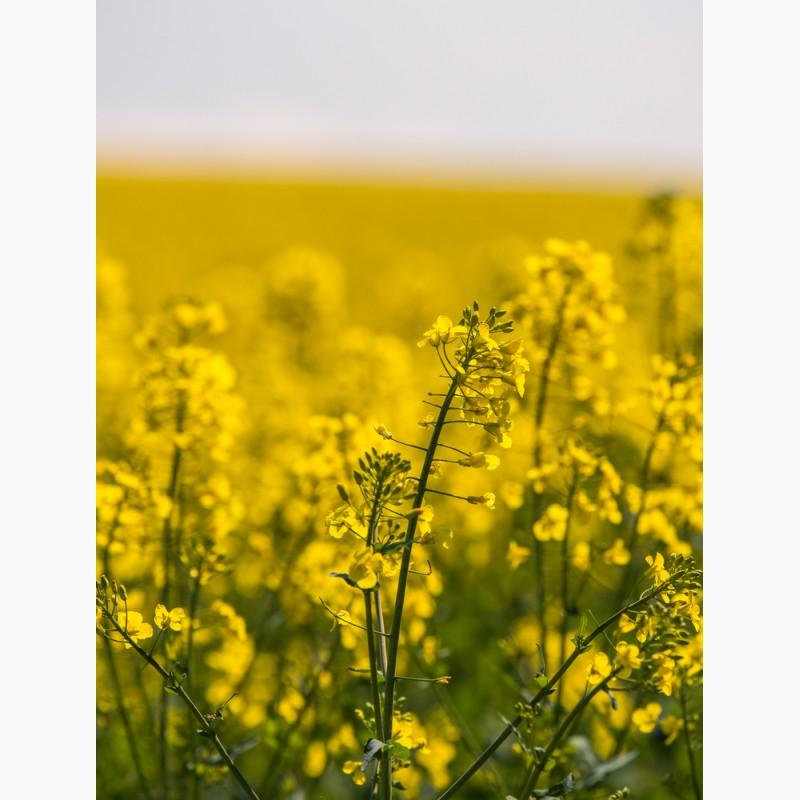
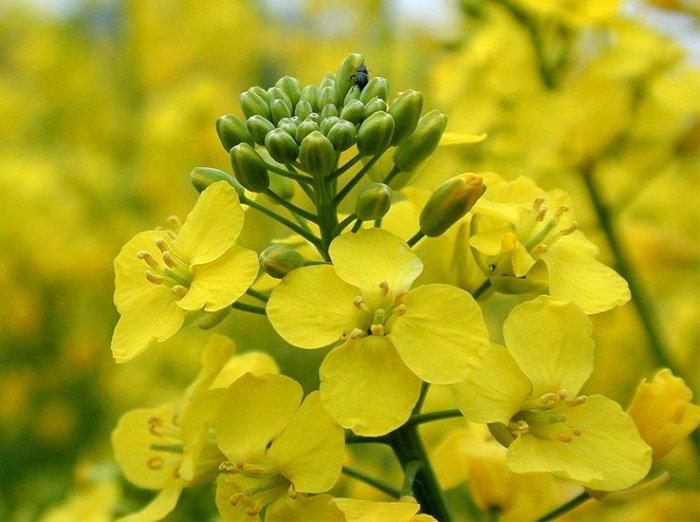
Sell URGENT rape seeds MEDANA F 36 Canadian nano transgenic winter rape hybrid, Poltava region.
Region:all Ukraine,
Poltava region.
(Poltava)
Grain purpose: Seed material
Quantity: 20000 tons
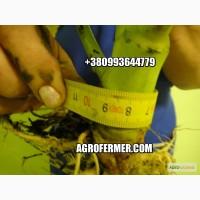
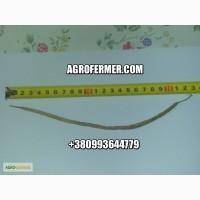
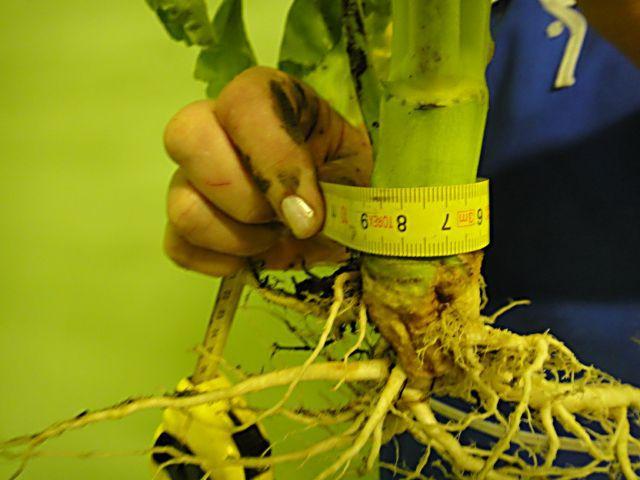
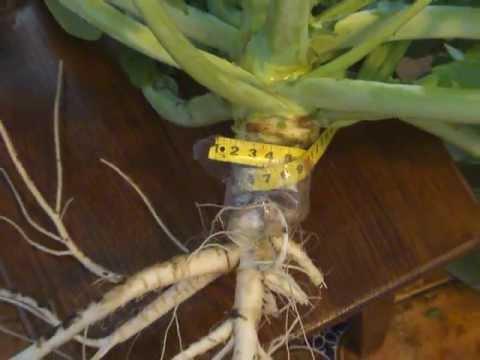
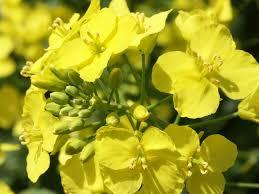
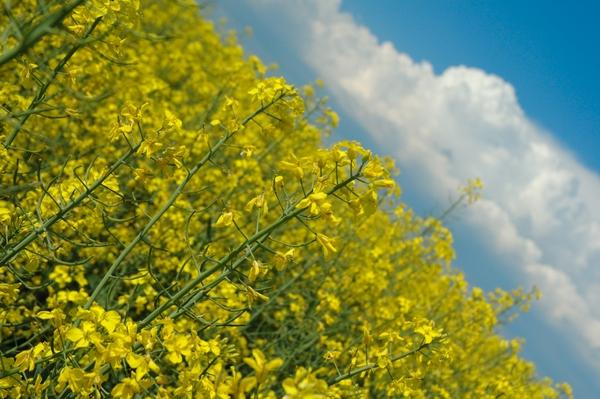
Raps (Brassica seeds.) Hot transgenic two-nuclear hybrid rape developed on the basis of nano technology by the well-known American chemical concern UNION CARBIDE, the English Imperial Chemical Industries Concern, the Canadian SERTIS Holding, nano - a modified two-nuclear hybrid of rapeseed is used for food purposes due to low glucosinolates - 0000 microns. per 1 gram and erucic acid — 0.00001%. Scientifically developed in Canada in 2016, hybrid tests for drought tolerance were conducted in Canada, Australia, Pakistan, USA, Morocco, Vietnam, China, India, Kyrgyzstan, Turkmenistan, where the average air temperature was + 58 C * in these conditions, he showed excellent results in terms of productivity. The height of rapeseed plants is from 180 cm to 185 cm, the stem is powerful in the girth of the circumference is 9 cm. The branches of the rape hybrid are located from the base of the root collar of rape from 7 cm and higher, and are located lengthwise to the top at a distance of 135 cm, with a slight slope of 50 degrees. and resemble the shape of a pine tree. The thickness of the developing canola root neck is 9 cm, the thickness of the leaf stalk along the length is 4 cm. The thickness of the forming canola stalk in the girth is 10 cm, and later, as it fully ripens, and until it is completely dried, the thickness of the canola stalk decreases to 7 cm. The mass of the canola plant in the phase of development of 60 leaves is 14 kg. The mass of the plant in the phase of full ripening of rape is 19 kg. A distinctive feature of nano is modified, that is, other ordinary hybrids and varieties of rapeseed.
1) Rapeseed is two-nuclear in its biological structure, which means that each pod of rapeseed has two partitions in which there are two rowsrapeseed seeds are available differs in high productivity due to the length of the rapeseed pod of 20 cm, due to the weight of the seeds, and also due to the fact that the rapeseed pods are located at a distance of 2 cm and higher and the number of pods on one branch is 180 pods, each pod has two partitions in which, in two rows, rapeseed seeds of 75 seeds are placed in each row.
2) It is characterized by resistance to abiotic stresses — it tolerates spring frosts well in the stage of full plant development up to -16 C*, which makes it possible to sow rapeseed at the earliest possible time.
3) A set of genes isolated from camel's thorn that increase the drought resistance of rapeseed + 60 C*.
4) Stable immunity to all rapeseed diseases affecting common hybrids and varieties such as (alternaria, fusarium, peronosporosis, bacteriosis, fomosis, etc.) and is not affected by these diseases.
5) Resistant to all harmful insects affecting ordinary varieties and ordinary hybrids of rapeseed (such as aphids, aphids, sawflies, etc.) due to the introduced Cry 1Aa gene — a globular protein of endotoxin that exhibits an insecticidal effect against insects of the Lepidoptera and Coleoptera groups in the structure of the cell DNA atom of rapeseed (this is manifested in the fact that when entering the intestine of an insect, the protein crystal dissolves in the alkaline environment of the intestinal juice, forming a toxic form harmful to coleoptera and lepidoptera, which is transmitted through the ion channel and leads to cell death due to loss of homeostasis, quickly causing starvation, the release of endotoxin protein begins from the moment of crop germination and stops until the moment of complete maturation of rapeseed, given that endotoxin is not transformed in DNA cells insect, therefore it is safe for all vertebrates - humans, warm-blooded animals, birds, mice.
6 ) Resistant to soil salinization due to the isolated gene of the saltwort wormwood.
7) Rapeseed is resistant to cracking of pods, due to the release of white resin from the stalk of rapeseed, which completely envelops the rapeseed pod and prevents it from falling off, until the rapeseed seeds are fully matured, thanks to this, the rapeseed does not need desiccation, the rapeseed is harvested directly by harvesters.
8) Rapeseed is resistant to lodging due to a strong, powerful stem.
9) Oil content in rapeseed is 54% - 55%.(//tractor-service.com)
10) This rapeseed is self-pollinating and does not require the presence of bees. This hybrid was sown in 2017 in Ukraine in the Kyiv, Dnipropetrovsk, Vinnytsia, Kherson, Chernihiv, Odesa regions and showed excellent results with a yield of 53 cents per 1 ha of net weight.
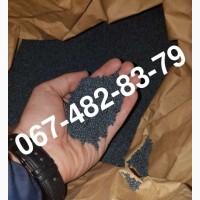
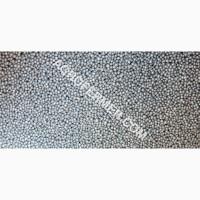
The weight of 1000 seeds is 4.35 grams.
The yield of the Canadian two-nuclear hybrid MEDANA F 36 is min. 53 cents, max. 56 cents. c 1 — ha .
Germination — 98%, Germination energy — 98%, Typicality — 100%, Purity — 99.99%, Moisture — 8%
The MEDANA F 36 seeding rate per 1 ha is 2.8 kg of precision, grain grass and grain. Rapeseed is sown to a depth of 2-3 cm.
It is not necessary to use herbicides, as hot rape kills them at the root, creating a strong shadow, due to its powerful leaf mass.
Sowing
The transgenic rapeseed hybrid MEDANA F 36 in the Southern regions and Northern regions begins to be sown from March 1 to the end of May 25.
Insecticides are not used because rapeseed is resistant to all harmful insects.
Herbicides: Lontrel 30% v.r. 0.3 liters per 1 - ha during the growing season in the phase of 3 - 4 leaves of rape, Galera 334 yr.
0.30 grams per 1 ha in any phase of rapeseed development before bud emergence, Treflan 24% k.e. 6 liters per 1 ha before sowing or before germination.
Fertilizers
Ammonium nitrate 180 kg — 200 kg is applied during sowing or after sowing. you can mix saltpeter with seeds and apply it to the soil.
The vegetation period of the spring rapeseed hybrid MEDANA F 36 from sowing to harvesting of rapeseed is 90 — 92 days (early). Don, Jondyr, Keys are harvested with combine harvesters.
Economic justification. The price for 1 ton of spring commercial rapeseed is UAH 15,000, due to low glucosinolates and erucic acid. Mines are removed from one hectare. 5.3 tons andmak. 5.6 tons, which is min. UAH 79,500, costs for 1 ha are UAH 1,600, with the use of plowing, cultivation, diesel fuel, drying, seeds. ads
1) Rapeseed is two-nuclear in its biological structure, which means that each pod of rapeseed has two partitions in which there are two rowsrapeseed seeds are available differs in high productivity due to the length of the rapeseed pod of 20 cm, due to the weight of the seeds, and also due to the fact that the rapeseed pods are located at a distance of 2 cm and higher and the number of pods on one branch is 180 pods, each pod has two partitions in which, in two rows, rapeseed seeds of 75 seeds are placed in each row.
2) It is characterized by resistance to abiotic stresses — it tolerates spring frosts well in the stage of full plant development up to -16 C*, which makes it possible to sow rapeseed at the earliest possible time.
3) A set of genes isolated from camel's thorn that increase the drought resistance of rapeseed + 60 C*.
4) Stable immunity to all rapeseed diseases affecting common hybrids and varieties such as (alternaria, fusarium, peronosporosis, bacteriosis, fomosis, etc.) and is not affected by these diseases.
5) Resistant to all harmful insects affecting ordinary varieties and ordinary hybrids of rapeseed (such as aphids, aphids, sawflies, etc.) due to the introduced Cry 1Aa gene — a globular protein of endotoxin that exhibits an insecticidal effect against insects of the Lepidoptera and Coleoptera groups in the structure of the cell DNA atom of rapeseed (this is manifested in the fact that when entering the intestine of an insect, the protein crystal dissolves in the alkaline environment of the intestinal juice, forming a toxic form harmful to coleoptera and lepidoptera, which is transmitted through the ion channel and leads to cell death due to loss of homeostasis, quickly causing starvation, the release of endotoxin protein begins from the moment of crop germination and stops until the moment of complete maturation of rapeseed, given that endotoxin is not transformed in DNA cells insect, therefore it is safe for all vertebrates - humans, warm-blooded animals, birds, mice.
6 ) Resistant to soil salinization due to the isolated gene of the saltwort wormwood.
7) Rapeseed is resistant to cracking of pods, due to the release of white resin from the stalk of rapeseed, which completely envelops the rapeseed pod and prevents it from falling off, until the rapeseed seeds are fully matured, thanks to this, the rapeseed does not need desiccation, the rapeseed is harvested directly by harvesters.
8) Rapeseed is resistant to lodging due to a strong, powerful stem.
9) Oil content in rapeseed is 54% - 55%.(//tractor-service.com)
10) This rapeseed is self-pollinating and does not require the presence of bees. This hybrid was sown in 2017 in Ukraine in the Kyiv, Dnipropetrovsk, Vinnytsia, Kherson, Chernihiv, Odesa regions and showed excellent results with a yield of 53 cents per 1 ha of net weight.
The weight of 1000 seeds is 4.35 grams.
The yield of the Canadian two-nuclear hybrid MEDANA F 36 is min. 53 cents, max. 56 cents. c 1 — ha .
Germination — 98%, Germination energy — 98%, Typicality — 100%, Purity — 99.99%, Moisture — 8%
The MEDANA F 36 seeding rate per 1 ha is 2.8 kg of precision, grain grass and grain. Rapeseed is sown to a depth of 2-3 cm.
It is not necessary to use herbicides, as hot rape kills them at the root, creating a strong shadow, due to its powerful leaf mass.
Sowing
The transgenic rapeseed hybrid MEDANA F 36 in the Southern regions and Northern regions begins to be sown from March 1 to the end of May 25.
Insecticides are not used because rapeseed is resistant to all harmful insects.
Herbicides: Lontrel 30% v.r. 0.3 liters per 1 - ha during the growing season in the phase of 3 - 4 leaves of rape, Galera 334 yr.
0.30 grams per 1 ha in any phase of rapeseed development before bud emergence, Treflan 24% k.e. 6 liters per 1 ha before sowing or before germination.
Fertilizers
Ammonium nitrate 180 kg — 200 kg is applied during sowing or after sowing. you can mix saltpeter with seeds and apply it to the soil.
The vegetation period of the spring rapeseed hybrid MEDANA F 36 from sowing to harvesting of rapeseed is 90 — 92 days (early). Don, Jondyr, Keys are harvested with combine harvesters.
Economic justification. The price for 1 ton of spring commercial rapeseed is UAH 15,000, due to low glucosinolates and erucic acid. Mines are removed from one hectare. 5.3 tons andmak. 5.6 tons, which is min. UAH 79,500, costs for 1 ha are UAH 1,600, with the use of plowing, cultivation, diesel fuel, drying, seeds. ads
Ad ID: #880721
(added by a registered user)
Permanent ad address:
Showed / watched for today: ?, total: ?
Similar fresh ads
There are many interesting ones among them...