Sell / buy
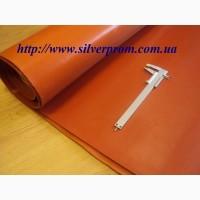
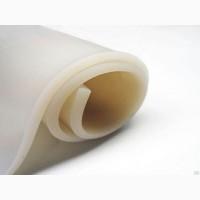
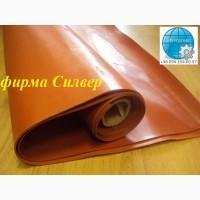
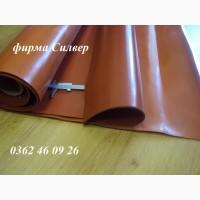
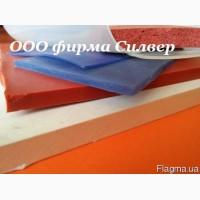
Silicone heat-resistant rubber, in rolls, thickness 2-10 mm, Dnipropetrovsk region.
Price750 UAH.
Region:all Ukraine,
Dnepropetrovsk region.
(Dnipro)
Updated:
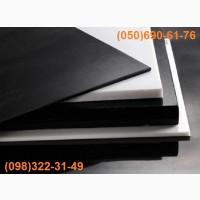
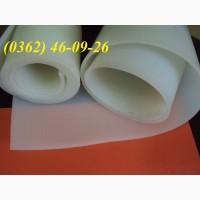
Wholesale company "Energopromteh" LLC (Dnipro, Ukraine) sells heat-resistant silicone rubber, in rolls, width 1000 and 1200 mm, thickness 2.0-10.0 mm, produced in Germany, Poland and China.
The minimum sales volume is one running meter.
Silicone rubber is an elastic material obtained on the basis of high-molecular compounds of silicon with organic substances. Outwardly, it is similar to traditional rubber, but thanks to the special characteristics of its chemical structure, it occupies a special position among elastic materials.
Products made of heat-resistant silicone rubber have excellent strength and elasticity and can be used in a wide range of temperatures from -60°С to +280°С, and for a short time at +300°С. Silicone rubber has become widespread due to its versatility and combination of various characteristics, such as harmlessness (non-toxic), excellent resistance to many chemicals (for example, to alcohols, phenols, mineraloils, solutions of acids and alkalis, hydrogen peroxide and ozone). Sheet silicone is an excellent replacement for vacuum rubbers, if the product is used in a vacuum or at temperatures above +70°С.
Due to its physiological harmlessness, silicone rubber is used in food technologies in direct contact with food products, the so-called In addition, products made of silicone rubber have excellent dielectric characteristics, resistance to high-energy radiation, UV radiation and can be used in atmospheric conditions. Silicone has good resistance to moisture. Depending on the brand (rubber mixture) and purpose, silicone rubber is available in several colors: white (main color), translucent, red, brown, and various degrees of hardness from 20 to 80 units. according to Shor A.(//tractor-service.com)
Silicone rubber products are resistant to atmospheric effects. Prolonged exposure to rain, snow or ice, the influence of ozone and ultraviolet rays do not cause any surface changes, for example, cracking even under the influence of mechanical stresses.
Resistance to chemical media:
Liquids: fresh water, sea water (including boiling water).
Gas: ammonia, oxygen, ozone.
Salts: sodium carbonate, copper sulfate, iron chloride, sodium chloride.
Acids: nitric (10%), sulfuric (30-50%), hydrochloric (10-18%), stearic, acetic (30%), phosphoric.
Food products: beer, wine, alcohol, table vinegar, juices, ghee and vegetable oil, confectionery and bakery products.
Solvents: hydrogen peroxide, ethylene glycol, ethyl alcohol, acetone.
The minimum sales volume is one running meter.
Silicone rubber is an elastic material obtained on the basis of high-molecular compounds of silicon with organic substances. Outwardly, it is similar to traditional rubber, but thanks to the special characteristics of its chemical structure, it occupies a special position among elastic materials.
Products made of heat-resistant silicone rubber have excellent strength and elasticity and can be used in a wide range of temperatures from -60°С to +280°С, and for a short time at +300°С. Silicone rubber has become widespread due to its versatility and combination of various characteristics, such as harmlessness (non-toxic), excellent resistance to many chemicals (for example, to alcohols, phenols, mineraloils, solutions of acids and alkalis, hydrogen peroxide and ozone). Sheet silicone is an excellent replacement for vacuum rubbers, if the product is used in a vacuum or at temperatures above +70°С.
Due to its physiological harmlessness, silicone rubber is used in food technologies in direct contact with food products, the so-called In addition, products made of silicone rubber have excellent dielectric characteristics, resistance to high-energy radiation, UV radiation and can be used in atmospheric conditions. Silicone has good resistance to moisture. Depending on the brand (rubber mixture) and purpose, silicone rubber is available in several colors: white (main color), translucent, red, brown, and various degrees of hardness from 20 to 80 units. according to Shor A.(//tractor-service.com)
Silicone rubber products are resistant to atmospheric effects. Prolonged exposure to rain, snow or ice, the influence of ozone and ultraviolet rays do not cause any surface changes, for example, cracking even under the influence of mechanical stresses.
Resistance to chemical media:
Liquids: fresh water, sea water (including boiling water).
Gas: ammonia, oxygen, ozone.
Salts: sodium carbonate, copper sulfate, iron chloride, sodium chloride.
Acids: nitric (10%), sulfuric (30-50%), hydrochloric (10-18%), stearic, acetic (30%), phosphoric.
Food products: beer, wine, alcohol, table vinegar, juices, ghee and vegetable oil, confectionery and bakery products.
Solvents: hydrogen peroxide, ethylene glycol, ethyl alcohol, acetone.
|
Author, contacts | |
Сергей Иванович/ отзывы, INFO./ evaluation activities | |
|
Phone:
+38(xxxxxx
show
| |
| http://energopromteh.prom.ua | |
Ad ID: #873677
(added by a registered user, registration date: 06-17-2013)
Added/Updated: 09-27-2026 21:34 (current, until: 09-27-2027)
Permanent ad address:
Showed / watched for today: ?, total: ?
Similar ads
Among them there are many interesting ones...