/ Seeds, seedlings and sowing materials / Various seeds, seedlings and sowing materials + in assortment / Wheat seeds Canadian transgenic soft variety...


Sell / buy
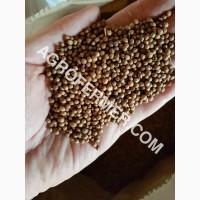
Wheat seeds Canadian transgenic soft two-handled variety OSHAWA, Kyiv
Region:all of Ukraine,
Kyiv
(G. Poltava)
Canadian transgenic soft wheat variety OSHAWA.
OUR WEBSITE: http://semena-cernel.com
Soft wheat (Triticum aestivum.) Wheat is a genus of grasses, mainly annual plants of the bluegrass family, which produces almost 30% of the world's grain production and supplies food to more than half of the world's population. Flour is made from grain, which contains 80% carbohydrates (mainly starch), 16% protein, minerals, amino acids, and vitamins. In general, the soft wheat variety is used for the production of flour products, elite varieties of bread and cereals. Now, according to the official version, a narrow strip surrounding the Mesopotamian lowland appears as the generally recognized family of wheat as one of the main grain crops on our planet.anywalls.com_74350 And from there
wheat, as it is believed, spread throughout the earth, but as a result of a global study of various types of wheat by the Russian scientist Vavilov, as many as three independent centers of origin of this culture were established. Syria and Palestine turned out to be a family of wild wheat and einkorn wheat; Ethiopia, Greece, Pakistan, Afghanistan family of durum wheat; and in the foothills of the western Himalayas - the center of origin of soft varieties of winter wheat. Wheat was known in the countries of Central Asia on the territory of the modern countries of Turkey, Iraq, Syria, Iran, and Turkmenistan as early as 7-6 thousand years ago. BC Soft wheat is significantly different from hard wheat, a dense ear with long ears directed parallel to the stem; the straw is filled with connective tissue, the grain is long, the color is yellow, the furrow is deep, the endosperm is mealy. OSHAWA soft wheat variety developed on the basis of nanotechnology, by transforming wheat DNA cells, by the American chemical concern UNION CARBIDE and the Canadian SERTIS Holding. This variety of durum wheat was scientifically developed in Canada in 2016, the OSHAWA variety was tested for frost resistance in January 2016, in the harsh climate of Canada, in the northern agricultural provinces of Ontario, Saskatchewan, Nova Scotia, Quebec, as well as in the southern provinces of Canada, it showed excellent results in terms of productivity, where the average air temperature was - 38C* in combination with with strong gusts of wind of 30 m\s, as well as in Northern Norway, in Russia Primorsky Krai, Magadan region. , Rostovskaya , Irkutsk Region , as well as the OSHAWA variety underwent a variety test during spring sowing for drought resistance in the EEC countries Greece , Morocco , Angola , South Africa , India , Pakistan , where the average tem. air was + 60 C*. The height of wheat plants of the OSHAWA variety is 110 cm, the erect bushiness coefficient of wheat is 28 stems, the thick stem filled with connective tissue is 12 mm in diameter. A distinctive feature of the transgenic wheat variety from other common wheat varieties. a01b72564a0194b3b4003a5c1ddac 1) This variety of Canadian transgenic wheat can be sown for 10 years in a row, as it does not lose its qualities. 2) It is characterized by good frost resistance up to -38 C* in a dry winter, without snow cover in combination with a strong icy wind due to isolated genes from oceanic algae Fucus vesiculosus, growing at the bottom of the Arctic Ocean. 3) It is resistant to abiotic stresses and tolerates spring temperature changes of frost in the stage of full plant development - 35 C* 4) It is characterized by good drought resistance up to + 60 C* due to genes introduced into the DNA structure of the wheat set, genes transformed from (Oscillatoria filiformis) into wheat DNA cells. 5) OSHAWA wheat has a stable immunity to all fungal diseases of wheat, as well as to viruses that affect common varieties of wheat such as (root rot, various types and forms of wheat bacteriosis, powdery mildew, snow mold, dwarf rust, reticulated and bordered spotting, dusty and false dusty (black main and stone mainly, stem blight, septoria, Russian mosaic, etc.) and is not affected by all these diseases. 6) This type of wheat is resistant to wheat dormancy, due to the strong, powerful stem of wheat. 7) Wheat is harvested directly by combines. 8) High productivity due to the length of the ear of 28 cm, as well as the number of grains of 320 pieces and fourteen rows of ears, this is its high productivity. 9) This variety of transgenic double-handled wheat is resistant to lodging, dusting, and grain germination in the ear. 10) It differs from other types of wheat in that it can be sown both in autumn and in spring, as well as in the February windows, the color of OSHAWA wheat is yellow-golden, and it also has a high gluten content of 38%. This variety of transgenic wheat was sown in Ukraine in spring sowing, as well as autumn sowing in 2016. in the Dnipropetrovsk region. , Kirovohrad region, Cherkasy region. Chernihiv region , the yield was 180 cents per hectare and in the spring of 2017 in the Transcarpathian region. , Kherson region Kyiv region showed excellent results in yield of 170 cents per hectare.
images (1)
OUR WEBSITE: http://semena-cernel.com
The weight of 1000 seeds is 58 grams.
The yield of the Canadian transgenic variety of double-handled OSHAWA wheat is min. 180 cents. , max. 182 cents. s 1 - ha.
Germination - 99%, Germination energy - 99%, Varietal purity - 100%, Moisture - 13%
The rate of sowing of OSHAWA transgenic two-handled wheat per 1 ha is 75 kg. It is sown with seed drills of our production to a depth of 5 cm - 6 cm.
(//tractor-service.com)
Sowing of two-handled wheat of the OSHAWA variety, autumn sowing of wheat begins on September 10 and continues
including November 30, spring sowing of wheat from the February windows and from March 2 to April 30 inclusive.
Treat double-handled wheat before sowing. k.e. - 0.5 liters per 1 haпротравителем Круйзер 350 FS 35 % т. к .с
Инсектициды Волатон 50 % - по 1,5л на 1 –га или Децис 2,5 % к.е.–0,25 литра на 1– га или Цимбуш 10 % к.е.- 0,5 литра на 1 - га
Herbicides: To fight with thistles, use triallate 50% or avadex BV 48% in a dose of 2.5 l/ha, to destroy dicotyledons 2.4 D amine salt 40% by weight. - 2 kg / per 1 hectare, and for the fight against gorse and bristly Iloxan 36% k.e.
3 kg per 1 ha, granstar ultra 25 grams per 1 ha in the phase of 2-3 leaves.
Nitroammophoska fertilizers 200 kg - 250 kg are applied during sowing or after sowing. It is possible to mix nitroammophoska withseeds in a percentage ratio of 1/2 and apply it to the soil.
The vegetation period of the OSHAWA transgenic two-handled wheat variety is 252 days until the harvest when it is sown in the fall, and it is 146 days when it is sown in the spring.
Cleaning. Canadian transgenic wheat of the OSHAWA variety is harvested with Don, Niva, Zhondyr, Case combines.
Economic justification. The price for 1 ton of soft wheat is UAH 6,426. Remove from 1 - ha min. 17 tons
and poppy seeds 18.2 tons, which is min. UAH 109,242 , costs per hectare are UAH 5,500, with the use of herbicides, plowing poisons, cultivation, diesel fuel OUR SITE: http://semena-cernel.com
OUR WEBSITE: http://semena-cernel.com
Soft wheat (Triticum aestivum.) Wheat is a genus of grasses, mainly annual plants of the bluegrass family, which produces almost 30% of the world's grain production and supplies food to more than half of the world's population. Flour is made from grain, which contains 80% carbohydrates (mainly starch), 16% protein, minerals, amino acids, and vitamins. In general, the soft wheat variety is used for the production of flour products, elite varieties of bread and cereals. Now, according to the official version, a narrow strip surrounding the Mesopotamian lowland appears as the generally recognized family of wheat as one of the main grain crops on our planet.anywalls.com_74350 And from there
wheat, as it is believed, spread throughout the earth, but as a result of a global study of various types of wheat by the Russian scientist Vavilov, as many as three independent centers of origin of this culture were established. Syria and Palestine turned out to be a family of wild wheat and einkorn wheat; Ethiopia, Greece, Pakistan, Afghanistan family of durum wheat; and in the foothills of the western Himalayas - the center of origin of soft varieties of winter wheat. Wheat was known in the countries of Central Asia on the territory of the modern countries of Turkey, Iraq, Syria, Iran, and Turkmenistan as early as 7-6 thousand years ago. BC Soft wheat is significantly different from hard wheat, a dense ear with long ears directed parallel to the stem; the straw is filled with connective tissue, the grain is long, the color is yellow, the furrow is deep, the endosperm is mealy. OSHAWA soft wheat variety developed on the basis of nanotechnology, by transforming wheat DNA cells, by the American chemical concern UNION CARBIDE and the Canadian SERTIS Holding. This variety of durum wheat was scientifically developed in Canada in 2016, the OSHAWA variety was tested for frost resistance in January 2016, in the harsh climate of Canada, in the northern agricultural provinces of Ontario, Saskatchewan, Nova Scotia, Quebec, as well as in the southern provinces of Canada, it showed excellent results in terms of productivity, where the average air temperature was - 38C* in combination with with strong gusts of wind of 30 m\s, as well as in Northern Norway, in Russia Primorsky Krai, Magadan region. , Rostovskaya , Irkutsk Region , as well as the OSHAWA variety underwent a variety test during spring sowing for drought resistance in the EEC countries Greece , Morocco , Angola , South Africa , India , Pakistan , where the average tem. air was + 60 C*. The height of wheat plants of the OSHAWA variety is 110 cm, the erect bushiness coefficient of wheat is 28 stems, the thick stem filled with connective tissue is 12 mm in diameter. A distinctive feature of the transgenic wheat variety from other common wheat varieties. a01b72564a0194b3b4003a5c1ddac 1) This variety of Canadian transgenic wheat can be sown for 10 years in a row, as it does not lose its qualities. 2) It is characterized by good frost resistance up to -38 C* in a dry winter, without snow cover in combination with a strong icy wind due to isolated genes from oceanic algae Fucus vesiculosus, growing at the bottom of the Arctic Ocean. 3) It is resistant to abiotic stresses and tolerates spring temperature changes of frost in the stage of full plant development - 35 C* 4) It is characterized by good drought resistance up to + 60 C* due to genes introduced into the DNA structure of the wheat set, genes transformed from (Oscillatoria filiformis) into wheat DNA cells. 5) OSHAWA wheat has a stable immunity to all fungal diseases of wheat, as well as to viruses that affect common varieties of wheat such as (root rot, various types and forms of wheat bacteriosis, powdery mildew, snow mold, dwarf rust, reticulated and bordered spotting, dusty and false dusty (black main and stone mainly, stem blight, septoria, Russian mosaic, etc.) and is not affected by all these diseases. 6) This type of wheat is resistant to wheat dormancy, due to the strong, powerful stem of wheat. 7) Wheat is harvested directly by combines. 8) High productivity due to the length of the ear of 28 cm, as well as the number of grains of 320 pieces and fourteen rows of ears, this is its high productivity. 9) This variety of transgenic double-handled wheat is resistant to lodging, dusting, and grain germination in the ear. 10) It differs from other types of wheat in that it can be sown both in autumn and in spring, as well as in the February windows, the color of OSHAWA wheat is yellow-golden, and it also has a high gluten content of 38%. This variety of transgenic wheat was sown in Ukraine in spring sowing, as well as autumn sowing in 2016. in the Dnipropetrovsk region. , Kirovohrad region, Cherkasy region. Chernihiv region , the yield was 180 cents per hectare and in the spring of 2017 in the Transcarpathian region. , Kherson region Kyiv region showed excellent results in yield of 170 cents per hectare.
images (1)
OUR WEBSITE: http://semena-cernel.com
The weight of 1000 seeds is 58 grams.
The yield of the Canadian transgenic variety of double-handled OSHAWA wheat is min. 180 cents. , max. 182 cents. s 1 - ha.
Germination - 99%, Germination energy - 99%, Varietal purity - 100%, Moisture - 13%
The rate of sowing of OSHAWA transgenic two-handled wheat per 1 ha is 75 kg. It is sown with seed drills of our production to a depth of 5 cm - 6 cm.
(//tractor-service.com)
Sowing of two-handled wheat of the OSHAWA variety, autumn sowing of wheat begins on September 10 and continues
including November 30, spring sowing of wheat from the February windows and from March 2 to April 30 inclusive.
Treat double-handled wheat before sowing. k.e. - 0.5 liters per 1 haпротравителем Круйзер 350 FS 35 % т. к .с
Инсектициды Волатон 50 % - по 1,5л на 1 –га или Децис 2,5 % к.е.–0,25 литра на 1– га или Цимбуш 10 % к.е.- 0,5 литра на 1 - га
Herbicides: To fight with thistles, use triallate 50% or avadex BV 48% in a dose of 2.5 l/ha, to destroy dicotyledons 2.4 D amine salt 40% by weight. - 2 kg / per 1 hectare, and for the fight against gorse and bristly Iloxan 36% k.e.
3 kg per 1 ha, granstar ultra 25 grams per 1 ha in the phase of 2-3 leaves.
Nitroammophoska fertilizers 200 kg - 250 kg are applied during sowing or after sowing. It is possible to mix nitroammophoska withseeds in a percentage ratio of 1/2 and apply it to the soil.
The vegetation period of the OSHAWA transgenic two-handled wheat variety is 252 days until the harvest when it is sown in the fall, and it is 146 days when it is sown in the spring.
Cleaning. Canadian transgenic wheat of the OSHAWA variety is harvested with Don, Niva, Zhondyr, Case combines.
Economic justification. The price for 1 ton of soft wheat is UAH 6,426. Remove from 1 - ha min. 17 tons
and poppy seeds 18.2 tons, which is min. UAH 109,242 , costs per hectare are UAH 5,500, with the use of herbicides, plowing poisons, cultivation, diesel fuel OUR SITE: http://semena-cernel.com
Ad ID: #756821
(added by a registered user)
Permanent ad address:
Showed / watched for today: ?, total: ?
Similar fresh ads
Among them there are many interesting...


All Ukraine: Seeds, seedlings and sowing materials 1220 / Various seeds, seedlings and sowing materials + in assortment 258