For sale / buy
Kreolin, Donetsk region.
Region:all of Ukraine,
Donetsk region.
(city of Bakhmut)
Description: ето homogeneous oily liquid with the smell of coal oil, dark brown to dark brown in color. With water, it forms a stable emulsion of a milky white color.
Composition: cresols, naphthalene, resin acids, pyridine bases and emulsifiers.
Pharmacological action: Creolin besphenolny has an acaricidal effect on the causative agents of sheep psoroptosis, has a long-term final effect on the scalp and hair. The drug has a strong disinfectant, antiseptic, bactericidal (broad spectrum of antimicrobial action against gram-positive and gram-negative bacteria), antifungal and antiparasitic effects. Creolin besphenolny is low-toxic for warm-blooded animals, in recommended doses it does not have a local irritant or allergenic effect. It is prescribed for psoroptosis in sheep (goats) with therapeutic and prophylactic purposes. For preventive and forced disinfection, disinsection, desaccharization, disinfestation of livestock and poultry premises, equipment, inventory, animal care items, for refueling decontamination mats and desbarriers. For the treatment of infected and purulent wounds, cuts, broken hooves, as well as for the treatment of burns, pus, purulent conjunctivitis, eczema of parasitic origin.
Application: For the treatment and prevention of scabies (psoroptosis), sheep are bathed in a shallow bath or a specially adaptedcontainer with 2% water emulsion of creolin in dry weather at an air temperature not lower than 18 °С. The temperature of the mass emulsion should be within 20-25 °С. Exposure — 2 minutes. Sick sheep are bathed twice with an interval of 10 days, suspect sheep are bathed once. Before treatment, animals are given rest, feeding is stopped 4-5 hours, drinking is stopped 1-2 hours before treatment. The working emulsion of the drug is prepared before use. For this purpose, creolin is added to a bath filled with water with thorough mixing at the rate of 2 kg per 100 l of water (20 kg per 1000 l). The bath is refilled after processing 200 sheep. At the same time, for every 1000 liters of water, 20 kg of creolin are added to the bath. When leaving the bath, the animals are kept for 15 minutes on the exit platform for the emulsion to run off, and then released to the pasture. In the cold season, animals are kept indoors for drying. When the bath is dirty, it is emptied, thoroughly cleaned of dirt, and the working emulsion is prepared again. After processing the sheep, the acaricidal liquid is poured into cesspools, preventing pollution of the environment. Before mass treatment of animals, each batch of the drug is tested on a small group of sheep (10-15 heads) of different requirements. If the animals do not show any signs of toxicosis within 2 days after treatment, they start treating the entire livestock. A 3-5% aqueous emulsion heated to 60 °C is used for disinfection, disinsection, desaccharization, and disinfestation of premises, equipment, and care items. For antiseptic treatment (washing) of wounds, including purulent and inflammatory processes, fractures of hooves, hooves and horns, as well as to protect animals from ticks and insects during the grazing period, a 2% aqueous emulsion is used. For the treatment of skin diseases (burns, pus, eczema, purulent conjunctivitis, etc.), animals are treated with 0.5-1% aqueous emulsion.
Contraindications: It is not recommended to bathe weakened and thirsty animals in the bath. Increased sensitivity to the drug.
Precautions: Everyone working with the drug must be provided with and must use a set of overalls and personal protective equipment (headgear, gown, rubberized apron, rubber boots and gloves, safety glasses, respirators). In order to provide first aid, there should be first-aid kits in places of work with the drug, which are replenished as they are used. Smoking, drinking and eating are prohibited during work. The duration of working with the drug should not exceed 6 hours a day. After work, the overalls are removed, the face and hands are washed with warm water and soap. If the drug gets on the skin or mucous membranes, wash it off thoroughly with a stream of water or carefully remove it with a tampon and then wash it off with water. If the drug entered the body through the mouth, the victim should be given a few glasses of warm water and, by irritating the root of the tongue, induce vomiting. After vomiting, drink 0.5 glasses with 2-3 tablets of activated charcoal 158угля или другого сорбента и затем солевое слабительное. При появлении у работающих признаков отравления (головокружение, общая слабость, тошнота) необходимо обратиться к медицинскому работнику. Убой овец на мясо разрешается через 15 дней после обработки. При вынужденном убое ранее установленного срока мясо используют на корм плотоядным животным. Запрещается использование молока для пищевых целей в течение 15 дней после обработки. (//tractor-service.com)
Storage: In the manufacturer's container in warehouses. Separately from food products and fodder. In a place inaccessible to outsiders and animals at a temperature not lower than minus 25 °C.
Shelf life: 5 years.
Packaging:
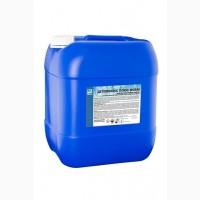
1 kg (PET bottle)
5 kg (PET bottle)
50 kg (Canister stackable pallet "Euro")
Composition: cresols, naphthalene, resin acids, pyridine bases and emulsifiers.
Pharmacological action: Creolin besphenolny has an acaricidal effect on the causative agents of sheep psoroptosis, has a long-term final effect on the scalp and hair. The drug has a strong disinfectant, antiseptic, bactericidal (broad spectrum of antimicrobial action against gram-positive and gram-negative bacteria), antifungal and antiparasitic effects. Creolin besphenolny is low-toxic for warm-blooded animals, in recommended doses it does not have a local irritant or allergenic effect. It is prescribed for psoroptosis in sheep (goats) with therapeutic and prophylactic purposes. For preventive and forced disinfection, disinsection, desaccharization, disinfestation of livestock and poultry premises, equipment, inventory, animal care items, for refueling decontamination mats and desbarriers. For the treatment of infected and purulent wounds, cuts, broken hooves, as well as for the treatment of burns, pus, purulent conjunctivitis, eczema of parasitic origin.
Application: For the treatment and prevention of scabies (psoroptosis), sheep are bathed in a shallow bath or a specially adaptedcontainer with 2% water emulsion of creolin in dry weather at an air temperature not lower than 18 °С. The temperature of the mass emulsion should be within 20-25 °С. Exposure — 2 minutes. Sick sheep are bathed twice with an interval of 10 days, suspect sheep are bathed once. Before treatment, animals are given rest, feeding is stopped 4-5 hours, drinking is stopped 1-2 hours before treatment. The working emulsion of the drug is prepared before use. For this purpose, creolin is added to a bath filled with water with thorough mixing at the rate of 2 kg per 100 l of water (20 kg per 1000 l). The bath is refilled after processing 200 sheep. At the same time, for every 1000 liters of water, 20 kg of creolin are added to the bath. When leaving the bath, the animals are kept for 15 minutes on the exit platform for the emulsion to run off, and then released to the pasture. In the cold season, animals are kept indoors for drying. When the bath is dirty, it is emptied, thoroughly cleaned of dirt, and the working emulsion is prepared again. After processing the sheep, the acaricidal liquid is poured into cesspools, preventing pollution of the environment. Before mass treatment of animals, each batch of the drug is tested on a small group of sheep (10-15 heads) of different requirements. If the animals do not show any signs of toxicosis within 2 days after treatment, they start treating the entire livestock. A 3-5% aqueous emulsion heated to 60 °C is used for disinfection, disinsection, desaccharization, and disinfestation of premises, equipment, and care items. For antiseptic treatment (washing) of wounds, including purulent and inflammatory processes, fractures of hooves, hooves and horns, as well as to protect animals from ticks and insects during the grazing period, a 2% aqueous emulsion is used. For the treatment of skin diseases (burns, pus, eczema, purulent conjunctivitis, etc.), animals are treated with 0.5-1% aqueous emulsion.
Contraindications: It is not recommended to bathe weakened and thirsty animals in the bath. Increased sensitivity to the drug.
Precautions: Everyone working with the drug must be provided with and must use a set of overalls and personal protective equipment (headgear, gown, rubberized apron, rubber boots and gloves, safety glasses, respirators). In order to provide first aid, there should be first-aid kits in places of work with the drug, which are replenished as they are used. Smoking, drinking and eating are prohibited during work. The duration of working with the drug should not exceed 6 hours a day. After work, the overalls are removed, the face and hands are washed with warm water and soap. If the drug gets on the skin or mucous membranes, wash it off thoroughly with a stream of water or carefully remove it with a tampon and then wash it off with water. If the drug entered the body through the mouth, the victim should be given a few glasses of warm water and, by irritating the root of the tongue, induce vomiting. After vomiting, drink 0.5 glasses with 2-3 tablets of activated charcoal 158угля или другого сорбента и затем солевое слабительное. При появлении у работающих признаков отравления (головокружение, общая слабость, тошнота) необходимо обратиться к медицинскому работнику. Убой овец на мясо разрешается через 15 дней после обработки. При вынужденном убое ранее установленного срока мясо используют на корм плотоядным животным. Запрещается использование молока для пищевых целей в течение 15 дней после обработки. (//tractor-service.com)
Storage: In the manufacturer's container in warehouses. Separately from food products and fodder. In a place inaccessible to outsiders and animals at a temperature not lower than minus 25 °C.
Shelf life: 5 years.
Packaging:
1 kg (PET bottle)
5 kg (PET bottle)
50 kg (Canister stackable pallet "Euro")
Ad ID: #577777
(added by a registered user)
Permanent ad address:
Showed / watched for today: ?, total: ?
Similar fresh ads
Among them there are many interesting...