Sell / buy
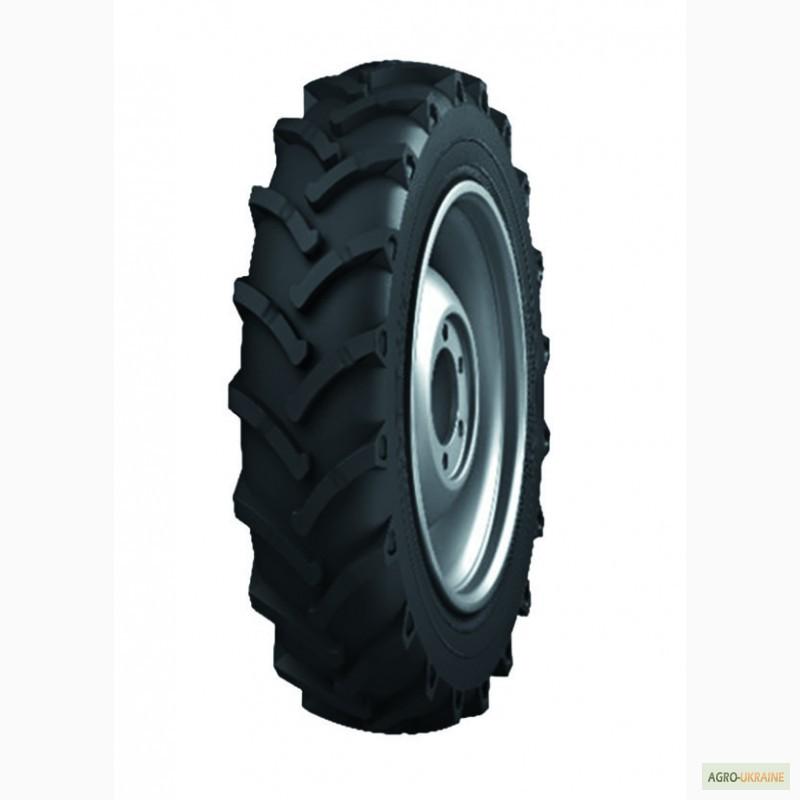
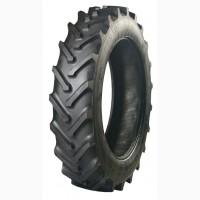
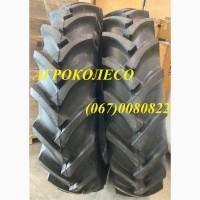
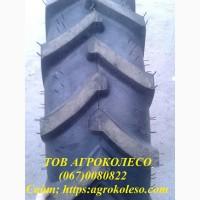
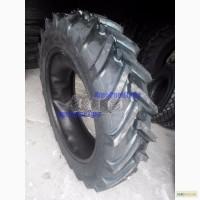
Tire 13.6R38 T-40, Kyiv region.
Price11,780 UAH.
Region:all of Ukraine,
Kiev region.
(Petrovka)
Updated:
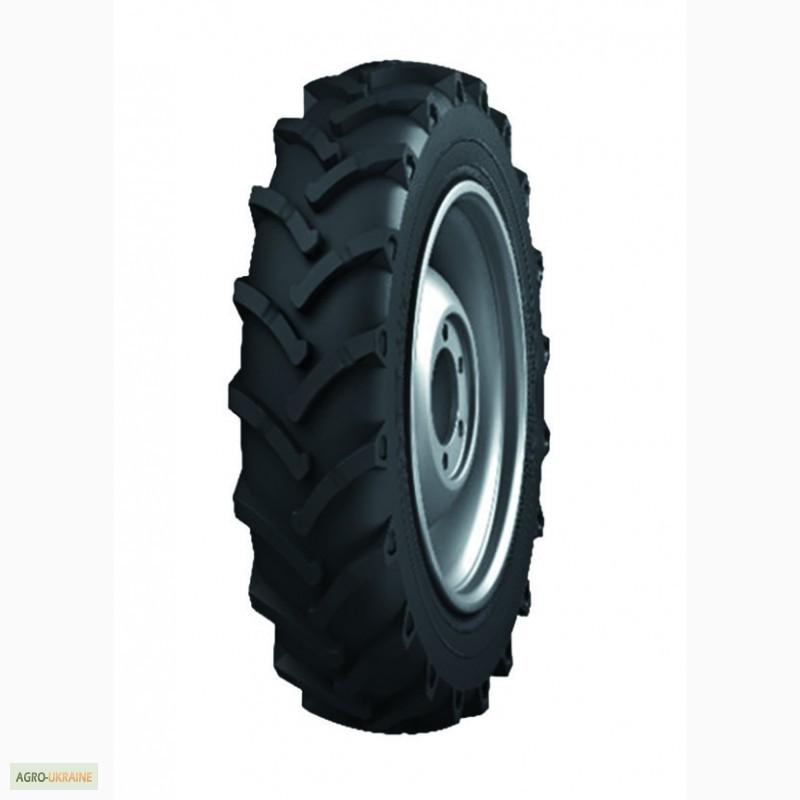
Tires 13.6R38 YAF-318 Voltyre (VOLTYRE)
Appointment:
The tire is intended for operation on the driving wheels of tractors of class 0.9 T-40, T-40A, T-28x4 MS-1, T-28x4 MAS-1, intended for work in agricultural production.
1 Manufacturer - OJSC "Voltayr-Prom" RUSSIA, 404103, Volzhsky, Volgograd Region, Highway No. 7, 25A.
2 Main characteristics
The tire is manufactured according to TU 38.304-14-108-2012.
The tire is produced in a chamber version.
The tire is equipped with a tube 13.6-38 according to GOST 7463-2003, a TC valve according to GOST 8107-75, it is allowed, upon agreement with the consumer, to use a TC valve with a valve body made according to the drawing of TC 30-3114174-02.
Designation of the rim profile according to GOST 10410-82: recommended ― W12, DW12; allowed ― W11, DW11.
The pattern of the tread is high cross-country ability.
Index of carrying capacity - 128.
The maximum permissible tire load is 1800 kg.
The pressure in the tire corresponding to the maximum load is 160 kPa.
The maximum speed is 30 km/h.
Main dimensions: outer diameter ― 1550 ± 23 mm;
the width of the profile without load, no more,
- 345 mm on recommended rims W12, DW12;
- 335 on permissible rims W11, DW11.
When mounting on the second rim, the width of the profile changes by 40% of the difference in the width of the two rims.
The maximum allowable pressure when mounting the tire on the rim is 2.5 bar MAX.
3 Product and environmental safety
The tire is not subject to mandatory certification.(//tractor-service.com)
A pneumatic tire is a low-hazard non-toxic product in terms of its effect on the human body, a low-flammability product (burns only when introduced into a fire source).
Used tires are classified as waste of the 4th class of danger (low-hazardous) for the environment and 4th class of danger in terms of the degree of impact on a person. Class 4 waste disposal is carried out in accordance with environmental legislation.
4 Terms of use
Type of climatic performance U1 according to GOST 15150-69.
Tire operation must comply with the requirements set forth in TU 38.304-14-108-2012 and the manufacturer's information about the product.
In the process of operation, it is prohibited to install tires on motor vehicles that do not comply with their purpose, size, and construction.
To ensure a proper fit of the side on the rim when installing the tire, the maximum pressure in the cold tire should not exceed 2.50 bar (250 kPa).
Installation and dismantling work shall be carried out in accordance with the instructions for the operation of the vehicle.
When using tires with a directional tread pattern (increased cross-country ability), it is necessary to take into account the directionality of the tread pattern and the place of installation of the tires on the vehicle, which is ensured by the coincidence of the tire rotation direction indicator (arrow on the sidewall of the tire) with the direction of rotationwheels when moving forward.
In the process of operating a vehicle withtires it is necessary to observe the norms of operational modes in accordance with the instructions for operating the vehicle.
Once every five days before the departure of the vehicle, when the temperature of the tire is equal to the ambient temperature, the internal air pressure in the tire is monitored and, if necessary, brought to the norm. The internal pressure in the tire must comply with the norms specified in TU 38.304-14-108-2012 and information about the product, and it must be observed with an accuracy of + 10 kPa (0.1 kgf/cm2).
Every day, before leaving the vehicle, they inspect the technical condition of the tires, remove foreign objects stuck in the tread, check the serviceability of the valves and the presence of caps or key caps on them, as well as the pressure in thetires.
During the operation of the vehicle, the following is prohibited:
- operation of a vehicle with tires of diagonal and radial designs, with tires of various types of tread patterns installed on one axle;
- parking equipment on tires with lower internal air pressure compared to the operating norm;
- long-term parking (more than 10 days) of non-working equipment. In the case of long-term parking, seasonal equipment is installed on stands, the wheels and tires are removed and stored in warehouses. It is allowed to store tires on equipment installed on a stand with internal pressure reduced to 50-70% of the operational norm;
- replacement of spools with stoppers, plugs and other devices;
- absence of caps or key caps on tire valves.
The use of tires is prohibited:
- when the final tread pattern depth is less than 7 mm;
- with damages that can lead to the destruction of the tire (punctures, cuts, etc.).
Appointment:
The tire is intended for operation on the driving wheels of tractors of class 0.9 T-40, T-40A, T-28x4 MS-1, T-28x4 MAS-1, intended for work in agricultural production.
1 Manufacturer - OJSC "Voltayr-Prom" RUSSIA, 404103, Volzhsky, Volgograd Region, Highway No. 7, 25A.
2 Main characteristics
The tire is manufactured according to TU 38.304-14-108-2012.
The tire is produced in a chamber version.
The tire is equipped with a tube 13.6-38 according to GOST 7463-2003, a TC valve according to GOST 8107-75, it is allowed, upon agreement with the consumer, to use a TC valve with a valve body made according to the drawing of TC 30-3114174-02.
Designation of the rim profile according to GOST 10410-82: recommended ― W12, DW12; allowed ― W11, DW11.
The pattern of the tread is high cross-country ability.
Index of carrying capacity - 128.
The maximum permissible tire load is 1800 kg.
The pressure in the tire corresponding to the maximum load is 160 kPa.
The maximum speed is 30 km/h.
Main dimensions: outer diameter ― 1550 ± 23 mm;
the width of the profile without load, no more,
- 345 mm on recommended rims W12, DW12;
- 335 on permissible rims W11, DW11.
When mounting on the second rim, the width of the profile changes by 40% of the difference in the width of the two rims.
The maximum allowable pressure when mounting the tire on the rim is 2.5 bar MAX.
3 Product and environmental safety
The tire is not subject to mandatory certification.(//tractor-service.com)
A pneumatic tire is a low-hazard non-toxic product in terms of its effect on the human body, a low-flammability product (burns only when introduced into a fire source).
Used tires are classified as waste of the 4th class of danger (low-hazardous) for the environment and 4th class of danger in terms of the degree of impact on a person. Class 4 waste disposal is carried out in accordance with environmental legislation.
4 Terms of use
Type of climatic performance U1 according to GOST 15150-69.
Tire operation must comply with the requirements set forth in TU 38.304-14-108-2012 and the manufacturer's information about the product.
In the process of operation, it is prohibited to install tires on motor vehicles that do not comply with their purpose, size, and construction.
To ensure a proper fit of the side on the rim when installing the tire, the maximum pressure in the cold tire should not exceed 2.50 bar (250 kPa).
Installation and dismantling work shall be carried out in accordance with the instructions for the operation of the vehicle.
When using tires with a directional tread pattern (increased cross-country ability), it is necessary to take into account the directionality of the tread pattern and the place of installation of the tires on the vehicle, which is ensured by the coincidence of the tire rotation direction indicator (arrow on the sidewall of the tire) with the direction of rotationwheels when moving forward.
In the process of operating a vehicle withtires it is necessary to observe the norms of operational modes in accordance with the instructions for operating the vehicle.
Once every five days before the departure of the vehicle, when the temperature of the tire is equal to the ambient temperature, the internal air pressure in the tire is monitored and, if necessary, brought to the norm. The internal pressure in the tire must comply with the norms specified in TU 38.304-14-108-2012 and information about the product, and it must be observed with an accuracy of + 10 kPa (0.1 kgf/cm2).
Every day, before leaving the vehicle, they inspect the technical condition of the tires, remove foreign objects stuck in the tread, check the serviceability of the valves and the presence of caps or key caps on them, as well as the pressure in thetires.
During the operation of the vehicle, the following is prohibited:
- operation of a vehicle with tires of diagonal and radial designs, with tires of various types of tread patterns installed on one axle;
- parking equipment on tires with lower internal air pressure compared to the operating norm;
- long-term parking (more than 10 days) of non-working equipment. In the case of long-term parking, seasonal equipment is installed on stands, the wheels and tires are removed and stored in warehouses. It is allowed to store tires on equipment installed on a stand with internal pressure reduced to 50-70% of the operational norm;
- replacement of spools with stoppers, plugs and other devices;
- absence of caps or key caps on tire valves.
The use of tires is prohibited:
- when the final tread pattern depth is less than 7 mm;
- with damages that can lead to the destruction of the tire (punctures, cuts, etc.).
|
Store, contacts | |
Kimeks KO, LTD / отзывы, INFO./ activity evaluation | |
|
Phone:
(050xxxxxx
show
| |
| Telegram: +380503317620 | |
| Viber: +380503317620 | |
| Whatsapp: +38 0503317620 | |
| https://www.facebook.com/profile.php?id=100065070967803 | |
| facebook.com/kimex2020 | |
All user ads ~40 | |
Ad ID: #508459
(added by a registered user, registration date: 02-04-2011)
Added/Updated: 11-09-2026 16:05 (relevant, until: 11-09-2027)
Permanent ad address:
Showed / watched for today: ?, total: ?
Similar ads
Among them there are many interesting...


All Ukraine: Agricultural equipment, equipment, inventory 45592 / Tires, wheels, wheels for agricultural machinery 5103 / Tires for agriculture technics 4958
Kyiv region: Agricultural equipment, equipment, inventory 4272 / Tires, rims, wheels agricultural machinery 427 / Tires for agriculture technicians 422