/ Agricultural machinery, equipment, inventory / Livestock, poultry (equipment) / Milking apparatuses / Oil-free milking apparatus Stella AID-2/1...

For sale / buy
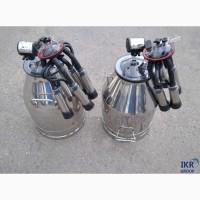
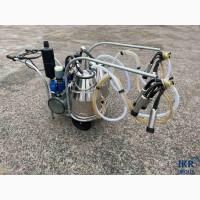
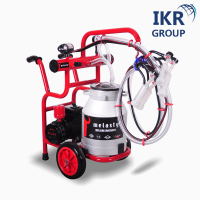
Doilless milking machine Stella AID-2/1 (with one milking bucket), Donetsk region.
Region:all of Ukraine,
Donetsk region.
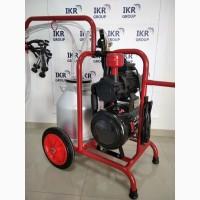
Milking machine without oil Stella AID-2/1 (with one milking bucket)
Technical characteristics of the milking machine AID-2/1
The number of milked cows per time is 8-10 heads.
Time for milking one cow is 5-6 min.
Material of glasses Stainless steel, solid without cup holders
Materialpump Cast iron
Protection against milk getting into thepump Esti
Overvoltage protection is available.
AIR UT A2 SU engine (Poltava)
Engine power 0.75 kW
The pump capacity is 12.5 m3/h
Network voltage 220 +-5%, up to -10%
Engine speed 2880 rpm
Type of milking machine Two-stroke
Pump type Dry, plate-rotor, graphite vanes
Working vacuum pressure 47 kPa (0.48 kgf/cm2)
Total weight, no more than 40 kg.
Manufacturer Kharkiv, Ukraine
Garatnia 12 months for the pump, 6 months for the electric motor
Description:
The AID-2/1 milking unit with one milking bucket is primarily intended for milking cows, goats, sheep and buffaloes in private auxiliary farms (depending on the type of animal, the unit is equipped with the appropriate milking equipment).
The milking apparatus is also called a milking machine, a milker, a milking unit, a milking installation.
The operation of the milking unit is based on the principle of suction of milk by the milking apparatus from the cistern of the cow's teat under the action of a vacuum created in the pipeline system by a vacuum pump.
The device for milking cows works according to the two-stroke principle, with air suction into the collector, with a pulsation frequency of 66 (+-6) pulses per minute. Each pulsation consists of a compression cycle and a suction cycle. The pulsator alternately creates vacuum and atmospheric pressure in the interwall chamber of the milking cup, which causes pulsationnipple rubber.
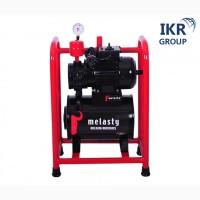
Since the AID-2/1 milking machine has a dry pump, it saves you from having to monitor the oil level and top it up every time. In this regard, a dry vacuum pump has an advantage over an oil pump, however, it is worth noting that the blades in a dry pump are much more expensive than in an oil pump. Vanes for a dry pump are made of more expensive and fragile graphite. At the same time, the blades for the oil pump are made of cheaper textolite and are not so fragile.
Important!
A dry vacuum pump is much more productive than an oil pump. Therefore, the AID-2/1 milking machine can milk two cows at the same time if a second milking bucket is connected to it.
You can also immediately buy an AID-2 milking machine with two buckets, which allows you to milk up to 20 cows in a very short time.
(//tractor-service.com)
How to wash and clean the milking machine:
It is necessary to wash the milking equipment regularly. The quality of milk directly depends on the cleanliness of the milking machine. In order to wash the milking equipment, you just need to fill a bucket or basin with washing-up liquid and lower the milking equipment (glasses) into it. Turn on the milking machine and wait until the hoses are washed. After this, the procedure should be repeated with ordinary warm water in order to wash off the solution and soap foam. I just wash the milking bucket as usual.
How to accustom a cow to machine milking:
Before switching to machine milking, the cow should be accustomed to the appearance and noise created by the milking machine. To do this, within 1-2 days, simply place the milking machine in a visible place (for the cow) and milk manually. In the next 1-2 days, turn on the device, but continue to milk the cow manually. After that, you can try milking a cow with a milking machine. It should be noted that animals react differently to the milking apparatus. Some cows get used to the milking machine more slowly than others and it will take more time to accustom them. In the first time, when milking with a milking machine, a decrease in milk yield and milk yield may be observed, also in the first time, it may be necessary to feed the cow manually after milking with the machine.
In any case, over time any animal will get used to it and milk will return to normal.
How to milk with a milking machine:
Wash the udder with warm water and massage. Take the collector (with the valve down) with one hand so that the glasses hang freely. Milk hoses on each nipple rubber must be bent to facilitate this task, you can install special clamps on these hoses. Open the valve, as for milking, the pulsator will start working, you will understand it by the sound of pulsations. Next, alternately put the cups on the nipples, bending the hoses or opening the clamps if they are standing.
Slightly lift the collector up, pressing the cups to the udder, make sure that they firmly hold on the udder. Then make sure that milk flows into the bucket through the transparent milk hose. That's all, nothing complicated.
The video below clearly shows how to milk with a milking machine.
Important!
The milking machine should be turned off immediately after the end of milk flow through the transparent hose. Overstaying the milking machine is categorically not recommended, it can damage the health of the animal.
Do not tear glasses from the udder while the device is working. In order to remove the glasses, you need to pull the valve of the collector, the vacuum will disappear and the glasses will be freely removed from the udder.
Do not exceed the recommended vacuum pressure (see the table with characteristics), this can also harm the cow. Monitor the pressure and adjust it using a vacuum regulator.
Maintenance of the lower apparatus.
Daily:
Check the correctness of the electrical wiring, the value of vacuum pressure during milking.
Once a month:
Cleans the device from dust and dirt, as contamination of the pump or engine fins can lead to their overheating. They will check the reliability of all threaded connections.
Once an hour:
Wash the muffler with kerosene.
If you follow all these simple rules, the AID-2/1 milking machine with a dry pump will serve you for at least 10 years without major repairs.
Technical characteristics of the milking machine AID-2/1
The number of milked cows per time is 8-10 heads.
Time for milking one cow is 5-6 min.
Material of glasses Stainless steel, solid without cup holders
Materialpump Cast iron
Protection against milk getting into thepump Esti
Overvoltage protection is available.
AIR UT A2 SU engine (Poltava)
Engine power 0.75 kW
The pump capacity is 12.5 m3/h
Network voltage 220 +-5%, up to -10%
Engine speed 2880 rpm
Type of milking machine Two-stroke
Pump type Dry, plate-rotor, graphite vanes
Working vacuum pressure 47 kPa (0.48 kgf/cm2)
Total weight, no more than 40 kg.
Manufacturer Kharkiv, Ukraine
Garatnia 12 months for the pump, 6 months for the electric motor
Description:
The AID-2/1 milking unit with one milking bucket is primarily intended for milking cows, goats, sheep and buffaloes in private auxiliary farms (depending on the type of animal, the unit is equipped with the appropriate milking equipment).
The milking apparatus is also called a milking machine, a milker, a milking unit, a milking installation.
The operation of the milking unit is based on the principle of suction of milk by the milking apparatus from the cistern of the cow's teat under the action of a vacuum created in the pipeline system by a vacuum pump.
The device for milking cows works according to the two-stroke principle, with air suction into the collector, with a pulsation frequency of 66 (+-6) pulses per minute. Each pulsation consists of a compression cycle and a suction cycle. The pulsator alternately creates vacuum and atmospheric pressure in the interwall chamber of the milking cup, which causes pulsationnipple rubber.
Since the AID-2/1 milking machine has a dry pump, it saves you from having to monitor the oil level and top it up every time. In this regard, a dry vacuum pump has an advantage over an oil pump, however, it is worth noting that the blades in a dry pump are much more expensive than in an oil pump. Vanes for a dry pump are made of more expensive and fragile graphite. At the same time, the blades for the oil pump are made of cheaper textolite and are not so fragile.
Important!
A dry vacuum pump is much more productive than an oil pump. Therefore, the AID-2/1 milking machine can milk two cows at the same time if a second milking bucket is connected to it.
You can also immediately buy an AID-2 milking machine with two buckets, which allows you to milk up to 20 cows in a very short time.
(//tractor-service.com)
How to wash and clean the milking machine:
It is necessary to wash the milking equipment regularly. The quality of milk directly depends on the cleanliness of the milking machine. In order to wash the milking equipment, you just need to fill a bucket or basin with washing-up liquid and lower the milking equipment (glasses) into it. Turn on the milking machine and wait until the hoses are washed. After this, the procedure should be repeated with ordinary warm water in order to wash off the solution and soap foam. I just wash the milking bucket as usual.
How to accustom a cow to machine milking:
Before switching to machine milking, the cow should be accustomed to the appearance and noise created by the milking machine. To do this, within 1-2 days, simply place the milking machine in a visible place (for the cow) and milk manually. In the next 1-2 days, turn on the device, but continue to milk the cow manually. After that, you can try milking a cow with a milking machine. It should be noted that animals react differently to the milking apparatus. Some cows get used to the milking machine more slowly than others and it will take more time to accustom them. In the first time, when milking with a milking machine, a decrease in milk yield and milk yield may be observed, also in the first time, it may be necessary to feed the cow manually after milking with the machine.
In any case, over time any animal will get used to it and milk will return to normal.
How to milk with a milking machine:
Wash the udder with warm water and massage. Take the collector (with the valve down) with one hand so that the glasses hang freely. Milk hoses on each nipple rubber must be bent to facilitate this task, you can install special clamps on these hoses. Open the valve, as for milking, the pulsator will start working, you will understand it by the sound of pulsations. Next, alternately put the cups on the nipples, bending the hoses or opening the clamps if they are standing.
Slightly lift the collector up, pressing the cups to the udder, make sure that they firmly hold on the udder. Then make sure that milk flows into the bucket through the transparent milk hose. That's all, nothing complicated.
The video below clearly shows how to milk with a milking machine.
Important!
The milking machine should be turned off immediately after the end of milk flow through the transparent hose. Overstaying the milking machine is categorically not recommended, it can damage the health of the animal.
Do not tear glasses from the udder while the device is working. In order to remove the glasses, you need to pull the valve of the collector, the vacuum will disappear and the glasses will be freely removed from the udder.
Do not exceed the recommended vacuum pressure (see the table with characteristics), this can also harm the cow. Monitor the pressure and adjust it using a vacuum regulator.
Maintenance of the lower apparatus.
Daily:
Check the correctness of the electrical wiring, the value of vacuum pressure during milking.
Once a month:
Cleans the device from dust and dirt, as contamination of the pump or engine fins can lead to their overheating. They will check the reliability of all threaded connections.
Once an hour:
Wash the muffler with kerosene.
If you follow all these simple rules, the AID-2/1 milking machine with a dry pump will serve you for at least 10 years without major repairs.
Ad ID: #390921
(added by a registered user)
Permanent ad address:
Showed / watched for today: ?, total: ?
Similar fresh ads
Among them there are many interesting...

All Ukraine: Agricultural equipment, equipment, inventory 45640 / Livestock, poultry farming (equipment) 580 / Milking apparatuses 15
Donetsk region: Agricultural equipment, equipment, inventory 193 / Livestock breeding, poultry farming (equipment) 1 / Milking appliances 1