/ Fertilizers and plant protection products / Organic fertilizers / For sale Haupsin, Trichodermin, Humat directly...

I will sell / buy
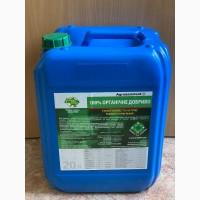
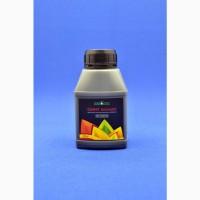
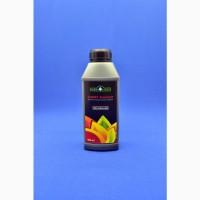
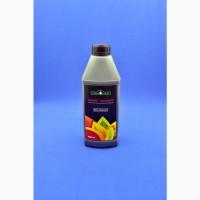
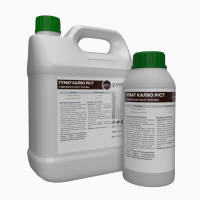
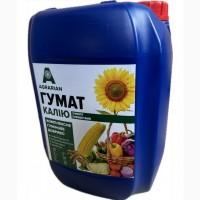
I will sell Haupsin, Trihodermin, Humate directly from the manufacturer's factory, Kherson region.
Region:
Khersonskaya oblast.
(Kherson city)
Stimbio-N (Haupsin), HumatBio, TrichostimBio (Trichodermin) phone 095-122-55-44 067-796-32-55
Complex biological preparation for foliar feeding Ctimbio-N (better known as haupsin) is designed to protect plants from phytopathogens of various nature (insects,fungi, bacteria), fix atmospheric nitrogen, stimulate plant growth and development.
The composition of the drug includes two strains of Pseudomonas chlororaphis subsp. aureofaciens UKM B-111 and UKM B-306, which are characterized by nitrogen-fixing, entomocidal, antibacterial and antifungal properties. The combination of these properties in one biological preparation is a fundamental and essential difference between Stymbio-N and other known biological preparations.(//tractor-service.com)
Over the years of drug research, it has been concluded that Pseudomonas aureofaciens B-306 bacteria modify poorly soluble soil compounds, as a result of which plants receive additional nutrition. In a short time after processing, the physiological activity of the plant itself begins to increase, its roots begin to absorb nutrients more intensively. This happens thanks to the plant hormone - indolin-3-acetic acid, which is secreted by bacteria. Soil pseudomonads suppress the growth of phytopathogenic microorganisms in the rhizosphere, which also promotes intensive plant growth.
As experiments have shown, the application of 5 liters of Stimbio-N per 1 ha of agricultural land has a nitrogen-fixing effect compared to the application of 100 kg of ammonium nitrate or 60 kg of urea. Prices formineral fertilizers increase annually, the price of Stimbio-N is stable at UAH 25.
The principle of nitrogen fixation Stimbio-N is fundamentally different from agrochemicals. Under the influence of moisture and sunlight, urea and nitrate introduced into the soil turn into nitrates, which feed plants with nitrogen (non-symbiotic nitrogen fixation). Nitrogen enters plants as part of a chemical compound. In the case of biological (symbiotic) nitrogen fixation, bacteria receive from plants compounds formed by them in the process of photosynthesis, which provide the plant with nitrogen fixed by them from the air. At the same time, symbiotic nitrogen fixation can annually enrich 1 ha of soil with 200-300 kilograms of nitrogen. It is important that with this method of nitrogen fixation, the plant assimilates not bound, but atomic nitrogen.
Complex biological preparation for foliar feeding Ctimbio-N (better known as haupsin) is designed to protect plants from phytopathogens of various nature (insects,fungi, bacteria), fix atmospheric nitrogen, stimulate plant growth and development.
The composition of the drug includes two strains of Pseudomonas chlororaphis subsp. aureofaciens UKM B-111 and UKM B-306, which are characterized by nitrogen-fixing, entomocidal, antibacterial and antifungal properties. The combination of these properties in one biological preparation is a fundamental and essential difference between Stymbio-N and other known biological preparations.(//tractor-service.com)
Over the years of drug research, it has been concluded that Pseudomonas aureofaciens B-306 bacteria modify poorly soluble soil compounds, as a result of which plants receive additional nutrition. In a short time after processing, the physiological activity of the plant itself begins to increase, its roots begin to absorb nutrients more intensively. This happens thanks to the plant hormone - indolin-3-acetic acid, which is secreted by bacteria. Soil pseudomonads suppress the growth of phytopathogenic microorganisms in the rhizosphere, which also promotes intensive plant growth.
As experiments have shown, the application of 5 liters of Stimbio-N per 1 ha of agricultural land has a nitrogen-fixing effect compared to the application of 100 kg of ammonium nitrate or 60 kg of urea. Prices formineral fertilizers increase annually, the price of Stimbio-N is stable at UAH 25.
The principle of nitrogen fixation Stimbio-N is fundamentally different from agrochemicals. Under the influence of moisture and sunlight, urea and nitrate introduced into the soil turn into nitrates, which feed plants with nitrogen (non-symbiotic nitrogen fixation). Nitrogen enters plants as part of a chemical compound. In the case of biological (symbiotic) nitrogen fixation, bacteria receive from plants compounds formed by them in the process of photosynthesis, which provide the plant with nitrogen fixed by them from the air. At the same time, symbiotic nitrogen fixation can annually enrich 1 ha of soil with 200-300 kilograms of nitrogen. It is important that with this method of nitrogen fixation, the plant assimilates not bound, but atomic nitrogen.
Advertisement ID: #379862
(added by an unregistered user)
Permanent ad address:
Showed / watched for today: ?, total: ?
Similar recent ads
Among them there are many interesting ones...