Sell / купить
Flax seeds of the oily brown variety - Liryna (Germany), Kyiv
Region:all of Ukraine,
Kyiv
Updated:
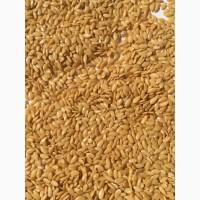
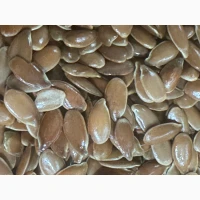
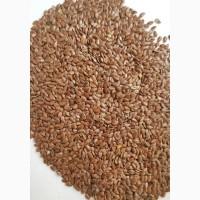
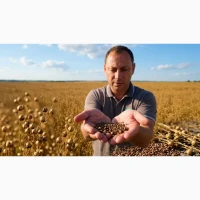
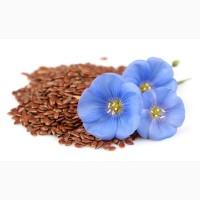
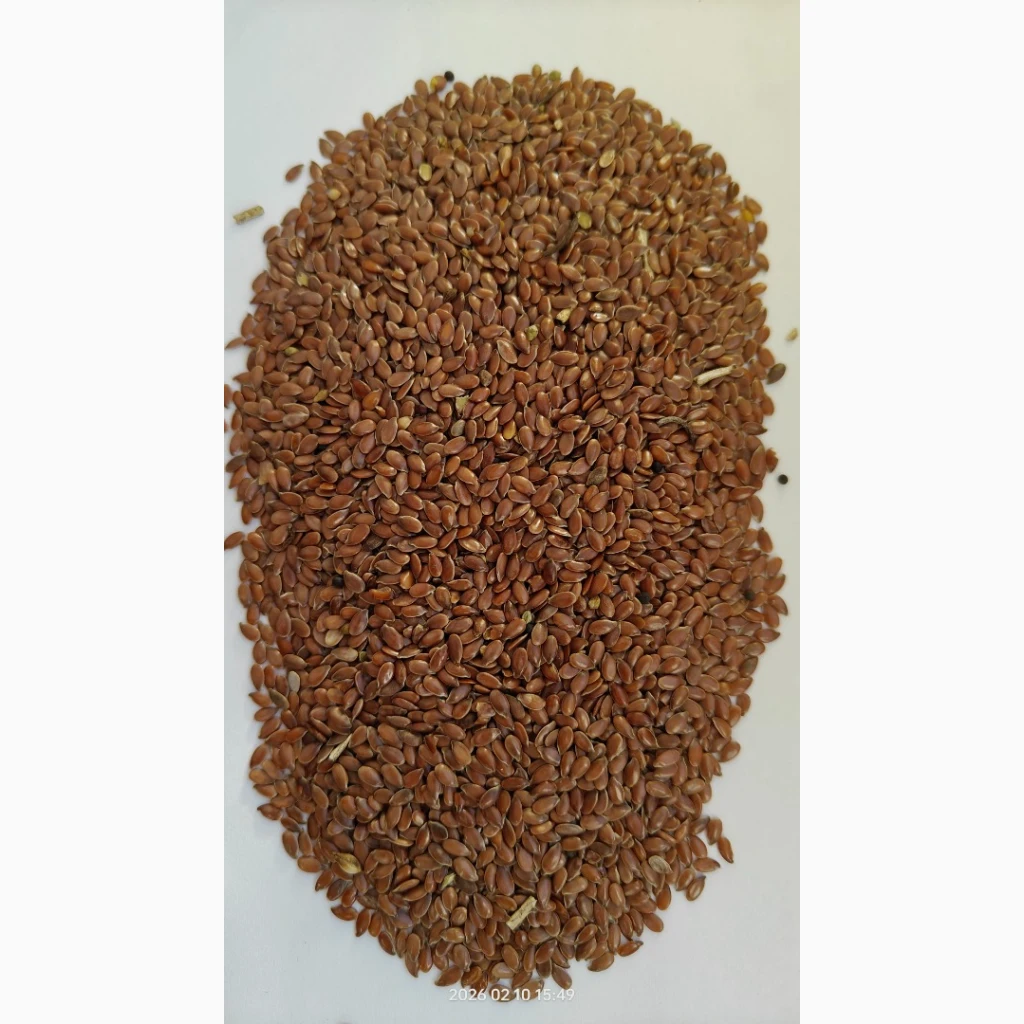
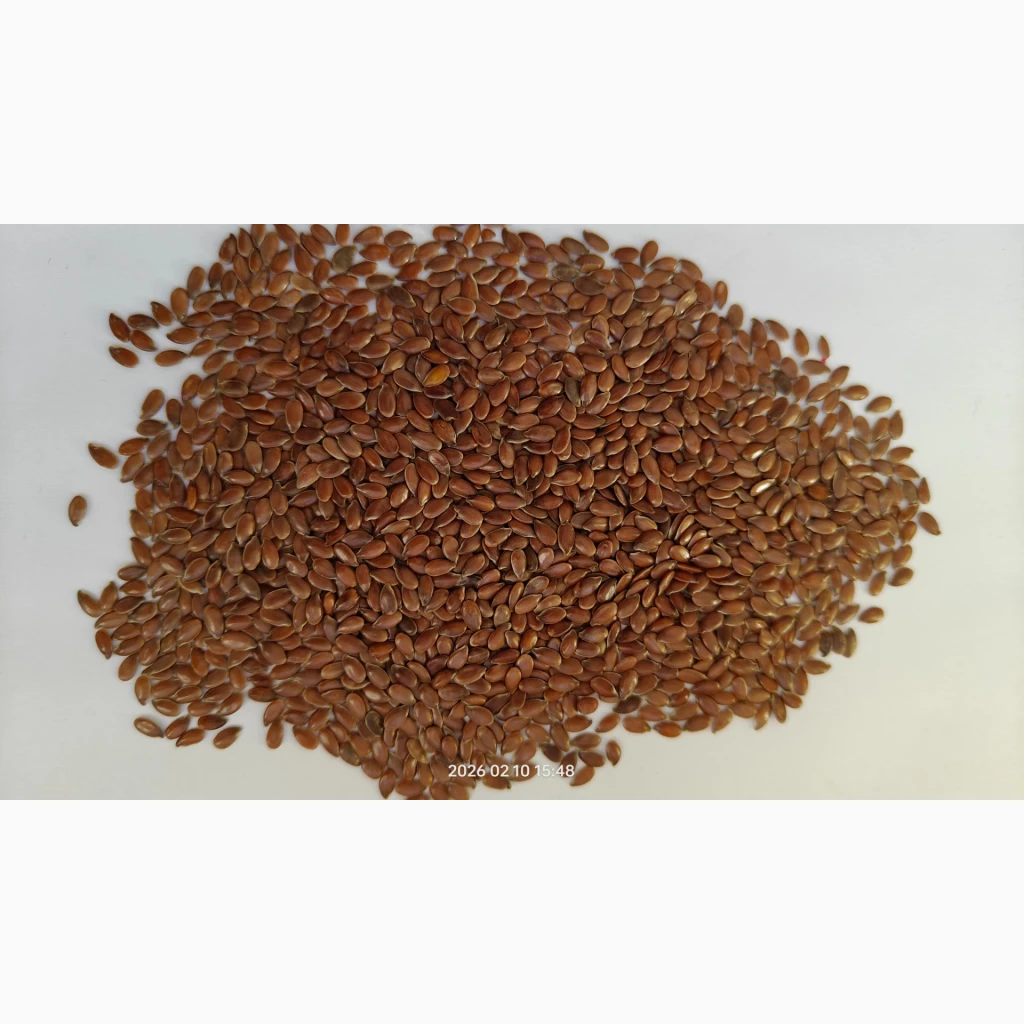
Flax seeds of the oily brown variety Liryna (Germany).
Humidity - 8.7%
Purity - 99%
Energy - 94%
Similarity - 95%
The weight of 1,000 seeds is 7 gr.
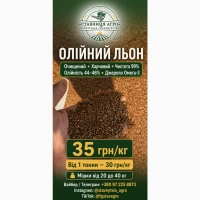
If necessary, additional cleaning is possible
separator in the photo, + to the price (example in the second photo).
Packaging:
big beg- 1 1t.,
it is possible in p.p., a bag of 25 kg., + to the price.
Viber,
WhatsApp,
Telegram.
t.+38 098 448 29 88
t.+38 066 281 42 43
Since 1997, the Liryna oil flax variety has held a leading position in Germany in terms of yield and oil content in seeds. In 2002, it was included in the State Register of plant varieties suitable for distribution in Ukraine, with a recommendation for cultivation in steppe and forest-steppe zones.
The combination of high productivity, significant oiliness and excellent manufacturability (suitability for mechanized harvesting, resistance to lodging and shedding, simultaneous ripening) provided the variety with wide industrial recognition. High drought resistance made it possible for farms in the southern regions of Ukraine to more effectively form short-rotational crop rotations, which developed under the conditions of dominance of highly profitable crops.
Economic and biological indicators
A variety of intensive type
The yield is stable — 25–29 t/ha.
The duration of the growing season is 107–128 days.
Forms a significant number of boxes, which provides a harvest even with reduced stand density
The height of the plants is 58–78 cm.
The weight of 1000 seeds is 5.6–7.2 g
Resistance to lodging — 8 points(//tractor-service.com)
Resistance to shedding — 8 points.
Drought resistance — 7 points.
Disease resistance — 7 points.
Oil content — 44.3–46.1%
Achievement is uniform
Protection of plants
Weed control is carried out in the early phases of crop development — when the plants are 2–3 cm and 8–10 cm tall.
Protection against diseases, as a rule, is not mandatory due to the sufficient natural resistance of the variety. With optimal nitrogen nutrition, the use of growth regulators is not required, as the plants are highly resistant to lodging.
Main pests: flax fleas, thrips, flax leafworm, scoop caterpillars. The decision on the use of insecticides is made after determining the economic threshold of harmfulness.
Agricultural cultivation techniques:
Sowing.
Soils with a neutral or slightly alkaline reaction (pH 6.5–7.0) are suitable for cultivation. Sowing is carried out from the end of March to the middle of April, taking into account the climatic zone. Late spring frosts can have a negative effect on culture.
Sowing rate — 4.0–4.5 million similar seeds/ha., (40-50 kg/ha).
The depth of wrapping is 2–4 cm (depending on the moisture reserves and sowing time)
The width of the rows is standard for grain crops.
Rolling is recommended, preferably with ring-spur rollers.
Oily flax is sensitive to soil compaction and flooding.
It is not recommended to be placed after leguminous crops due to the risk of excess nitrogen nutrition.
Fertilizer system
Phosphorus, potassium and magnesium are applied according to the agrochemical analysis of the soil or taking into account the removal of nutrients.
For the formation of 1 ton of seeds, the culture consumes:
12 kg of P₂O₅
10 kg of K₂O
8 kg of MgO
Flax, like most oil crops, reacts to sulfur availability.
For its deficiency, it is sufficient to apply 20 kg/ha.
Nitrogen fertilizers are used for pre-sowing soil cultivation at the rate of 30–40 kg N/ha.
Humidity - 8.7%
Purity - 99%
Energy - 94%
Similarity - 95%
The weight of 1,000 seeds is 7 gr.
If necessary, additional cleaning is possible
separator in the photo, + to the price (example in the second photo).
Packaging:
big beg- 1 1t.,
it is possible in p.p., a bag of 25 kg., + to the price.
Viber,
WhatsApp,
Telegram.
t.+38 098 448 29 88
t.+38 066 281 42 43
Since 1997, the Liryna oil flax variety has held a leading position in Germany in terms of yield and oil content in seeds. In 2002, it was included in the State Register of plant varieties suitable for distribution in Ukraine, with a recommendation for cultivation in steppe and forest-steppe zones.
The combination of high productivity, significant oiliness and excellent manufacturability (suitability for mechanized harvesting, resistance to lodging and shedding, simultaneous ripening) provided the variety with wide industrial recognition. High drought resistance made it possible for farms in the southern regions of Ukraine to more effectively form short-rotational crop rotations, which developed under the conditions of dominance of highly profitable crops.
Economic and biological indicators
A variety of intensive type
The yield is stable — 25–29 t/ha.
The duration of the growing season is 107–128 days.
Forms a significant number of boxes, which provides a harvest even with reduced stand density
The height of the plants is 58–78 cm.
The weight of 1000 seeds is 5.6–7.2 g
Resistance to lodging — 8 points(//tractor-service.com)
Resistance to shedding — 8 points.
Drought resistance — 7 points.
Disease resistance — 7 points.
Oil content — 44.3–46.1%
Achievement is uniform
Protection of plants
Weed control is carried out in the early phases of crop development — when the plants are 2–3 cm and 8–10 cm tall.
Protection against diseases, as a rule, is not mandatory due to the sufficient natural resistance of the variety. With optimal nitrogen nutrition, the use of growth regulators is not required, as the plants are highly resistant to lodging.
Main pests: flax fleas, thrips, flax leafworm, scoop caterpillars. The decision on the use of insecticides is made after determining the economic threshold of harmfulness.
Agricultural cultivation techniques:
Sowing.
Soils with a neutral or slightly alkaline reaction (pH 6.5–7.0) are suitable for cultivation. Sowing is carried out from the end of March to the middle of April, taking into account the climatic zone. Late spring frosts can have a negative effect on culture.
Sowing rate — 4.0–4.5 million similar seeds/ha., (40-50 kg/ha).
The depth of wrapping is 2–4 cm (depending on the moisture reserves and sowing time)
The width of the rows is standard for grain crops.
Rolling is recommended, preferably with ring-spur rollers.
Oily flax is sensitive to soil compaction and flooding.
It is not recommended to be placed after leguminous crops due to the risk of excess nitrogen nutrition.
Fertilizer system
Phosphorus, potassium and magnesium are applied according to the agrochemical analysis of the soil or taking into account the removal of nutrients.
For the formation of 1 ton of seeds, the culture consumes:
12 kg of P₂O₅
10 kg of K₂O
8 kg of MgO
Flax, like most oil crops, reacts to sulfur availability.
For its deficiency, it is sufficient to apply 20 kg/ha.
Nitrogen fertilizers are used for pre-sowing soil cultivation at the rate of 30–40 kg N/ha.
|
Author, contacts | |
S.M./ отзывы, инфо./ estimate of activity | |
|
Phone:
(098xxxxxx
show
| |
| Telegram: 380984482988 | |
| Viber: 380984482988 | |
| Whatsapp: 380984482988 | |
All ads user ~103 | |
Ad ID: #1366190
(added by a registered user, registration date: 03-14-2011)
Added / Updated: 09-28-2026 12:22 (current, until: 09-28-2027)
Permanent ad address:
Showed / watched for today: ?, total: ?