Sell / buy
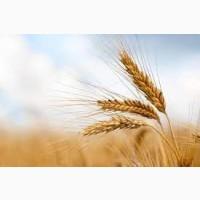
I will sell seeds for sowing Durum Wheat (Yara) Meisa variety, MIP Kseniya, Spadshchyna, Kyiv region.
Price10 UAH.
Region:all of Ukraine,
Kyiv region.
Updated:
Appointment grains: Seed material
Quantity: 100 tons
Seeds durum spring wheat: Meisa, MIP Ksenia, Spadshchyna - varieties with scientifically proven characteristics for different agricultural backgrounds
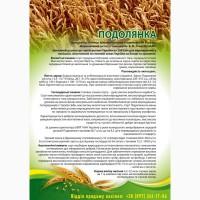
I sellcertified wheat seeds durum spring wheat (Triticum durum Desf.) varieties Meisa, MIP Ksenia and Spadshchyna. The agrobiological properties of the varieties are confirmed by the data of the state variety study and scientific publications in the field of breeding and seed production.
Agrobiological characteristics of varieties
1. "Meisa" variety
(Selection: Institute ofgrain crops NAAS)
Morphobiological signs:
Plant type: semi-dwarf, with shortened internodes (bush habit — semi-erect).
Vegetation period: 85–90 days (refers to medium-ripe forms according to the classification of V. M. Kuzmenko, 2018).
Ear: dense, prismatic, with bristles. The weight of 1000 grains is 42–45 g.
Economically valuable properties (according to the data of tests in Lisostep):
Average yield: 5.6–6.2 t/ha on podzolized chernozems
Protein content in grain: 14.8–15.5% (meets standards for the pasta direction).
Agroecological resistance: high tolerance to Fusarium graminearum (according to phytopathological monitoring, 2022).
Recommendations for growing technology:
Optimum seeding rate: 4.5–5.0 million people. ha (according to the scheme for semi-dwarf varieties).
Sensitive to nitrogen fertilizers at the stage of emergence into the tube - fractional application is recommended.
2. Variety "MIP Ksenia"
(Selection: Myroniv Institute of Wheat named after V. M. Remesl)
Morphobiological signs:
The plant is medium-sized (95–105 cm), with a thickened stem.
Ear: long (9–11 cm), with a dense arrangement of grains.
The period from germination to full maturity: 88–93 days.
Economically valuable properties:
The maximum yield on dark gray soils is 6.8 t/ha with background fertilizer N90P60K40.
(//tractor-service.com)
Gluten content: 28–30%, deformation index (according to GOST) — 75–80 units.
Adaptability: the coefficient of adaptation to stressful conditions is 0.89 (according to the method of V.V. Kirichenko).
Technological features:
Stand density: 5.0–5.5 million plants/ha.
Sensitive to herbicides based on 2,4-D — careful application is recommended in the 3–4 leaf phase.
3. "Heritage" variety
(Selection: Kharkiv Institute of Plant Breeding)
Morphobiological signs:
The plant is tall (110–120 cm), with a spreading bush.
Ear: white, spineless, weight of 1000 grains — 48–52 g.
Maturity group: mid-late (95–100 days).
Economically valuable properties:
Stable yield on poor soils: 5.0–5.7 t/ha.
Carotenoid content: 6.8–7.2 mg/kg (quality criterion for pasta).
Resistance to abiotic stress factors: drought resistance is rated at 8 points (on the 9-point Ebergart scale).
Agrotechnical recommendations:
Sowing rate: 3.8–4.2 million people. ha due to a tendency to intensive weeding.
The introduction of microelements (Cu, Mn) on sod-podzolic soils increases the vitreousness of grain by 12–15%.
Terms of implementation:
Seed category: complies with DSTU 2240-93.
Similarity: 94–96% (Certificate).
Packaging: bag-bag.
Documents: varietal identity certificate, phytosanitary passport.
The proposed varieties are recommended for implementation in science-based crop rotations and farming systems. All agronomic parameters are confirmed by experimental data.
I sellcertified wheat seeds durum spring wheat (Triticum durum Desf.) varieties Meisa, MIP Ksenia and Spadshchyna. The agrobiological properties of the varieties are confirmed by the data of the state variety study and scientific publications in the field of breeding and seed production.
Agrobiological characteristics of varieties
1. "Meisa" variety
(Selection: Institute ofgrain crops NAAS)
Morphobiological signs:
Plant type: semi-dwarf, with shortened internodes (bush habit — semi-erect).
Vegetation period: 85–90 days (refers to medium-ripe forms according to the classification of V. M. Kuzmenko, 2018).
Ear: dense, prismatic, with bristles. The weight of 1000 grains is 42–45 g.
Economically valuable properties (according to the data of tests in Lisostep):
Average yield: 5.6–6.2 t/ha on podzolized chernozems
Protein content in grain: 14.8–15.5% (meets standards for the pasta direction).
Agroecological resistance: high tolerance to Fusarium graminearum (according to phytopathological monitoring, 2022).
Recommendations for growing technology:
Optimum seeding rate: 4.5–5.0 million people. ha (according to the scheme for semi-dwarf varieties).
Sensitive to nitrogen fertilizers at the stage of emergence into the tube - fractional application is recommended.
2. Variety "MIP Ksenia"
(Selection: Myroniv Institute of Wheat named after V. M. Remesl)
Morphobiological signs:
The plant is medium-sized (95–105 cm), with a thickened stem.
Ear: long (9–11 cm), with a dense arrangement of grains.
The period from germination to full maturity: 88–93 days.
Economically valuable properties:
The maximum yield on dark gray soils is 6.8 t/ha with background fertilizer N90P60K40.
(//tractor-service.com)
Gluten content: 28–30%, deformation index (according to GOST) — 75–80 units.
Adaptability: the coefficient of adaptation to stressful conditions is 0.89 (according to the method of V.V. Kirichenko).
Technological features:
Stand density: 5.0–5.5 million plants/ha.
Sensitive to herbicides based on 2,4-D — careful application is recommended in the 3–4 leaf phase.
3. "Heritage" variety
(Selection: Kharkiv Institute of Plant Breeding)
Morphobiological signs:
The plant is tall (110–120 cm), with a spreading bush.
Ear: white, spineless, weight of 1000 grains — 48–52 g.
Maturity group: mid-late (95–100 days).
Economically valuable properties:
Stable yield on poor soils: 5.0–5.7 t/ha.
Carotenoid content: 6.8–7.2 mg/kg (quality criterion for pasta).
Resistance to abiotic stress factors: drought resistance is rated at 8 points (on the 9-point Ebergart scale).
Agrotechnical recommendations:
Sowing rate: 3.8–4.2 million people. ha due to a tendency to intensive weeding.
The introduction of microelements (Cu, Mn) on sod-podzolic soils increases the vitreousness of grain by 12–15%.
Terms of implementation:
Seed category: complies with DSTU 2240-93.
Similarity: 94–96% (Certificate).
Packaging: bag-bag.
Documents: varietal identity certificate, phytosanitary passport.
The proposed varieties are recommended for implementation in science-based crop rotations and farming systems. All agronomic parameters are confirmed by experimental data.
|
Author, contacts | |
Serhiy / отзывы, инфо. / activity assessment Date of registration (on site): 10.11.2025 | |
|
Telephone:
0950xxxxxx
show
| |
All user ads ~59 | |
Ad ID: #1360432
(added by a registered user, registration date: 10-11-2025)
Added/Updated: 16-01-2026 12:06 (current, until: 16-01-2027)
Permanent ad address:
Showed / watched for today: ?, total: ?
Similar ads
Among them there are many interesting...