/ Fertilizers and plant protection products / Protraviteli / Brigid - insecticidal and fungicidal poison for...

For sale / buy
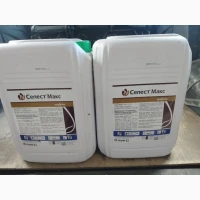
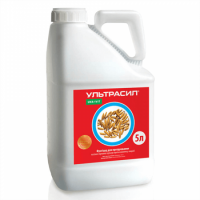
Brigid - insecticidal and fungicidal spray for seed protection against pests and diseases, Kiev region.
Price22$
Region:all Ukraine,
Kiev region.
(Vyshhorodok)
Updated:
Brigid antidote is a highly effective insecticidal and fungicidal antidote to protect seeds from a wide range of diseases and pests during germination, seedling and initial stages of development, growth regulator, growth and photosynthesis stimulator
Content of active substances:
thiamethoxam, 150 g/l + tebuconazole, 50 g/l + azoxystrobin, 50 g/l
Preparative form: concentrated suspension.
Cultivated crops:
Winter wheat,Corn,Sunflower.
Consumption of working fluid: 150
7-50 л/т посівного матеріалу, залежно від культури, для забезпечення рівномірного покриття поверхні насіння.
Packaging: 5 l, the price is indicated for 1 l.
Advantages of Brigid:
* long-term control over a wide range of pests and diseases;
* strong power at high seeding rates to maximize crop potential;
* a convenient way to replace soil and foliarinsecticides;
* supported by worldwide registration to ensure the free movement of treated seeds on the world market;
* safe for workers and the environment (if the application regulations are followed);
* low level of costs with ease of use in processing;
* provides quality coverage and good seed retention leading to excellent disease performance;
* not only prevents losses, but also improves the quality and quantity of the harvest;
* fights fungal infection on the seed coat and inside the grain, providing comprehensive protection.
(//tractor-service.com)
Regulation of application:
Culture
Malicious object
Drug rate, l/t
Rate of working solution, l/t
Winter wheat
Cereal flies, aphids, leech. Root rot, powdery mildew, powdery mildew, septoriosis, seed mold.
0.3-0.8
10-15
Sunflower
Wireworms, gray and southern beet weevils, false wireworms, aphids, midges.
Molding of seeds.
0.8-1.5 (4.0*)
15-20
Corn
Wireworms, Swedish fly, false wireworms, blackflies, western corn beetle, aphids, fleas.
Bubbly and volatile corn soot, seed mold.
0.8-1.5 (4.0*)
8-15
* The maximum rate (4.0 l/t) is applied only under the condition of a sufficient level of moisture provision, processing immediately before sowing - no earlier than 3 days before sowing in case of mono-sowing; and also when there is a confirmed infection of the field with powdery mildew diseases and settlement by a significant number of soil pests. It is important to use fresh seeds, not last year's leftovers.
Content of active substances:
thiamethoxam, 150 g/l + tebuconazole, 50 g/l + azoxystrobin, 50 g/l
Preparative form: concentrated suspension.
Cultivated crops:
Winter wheat,Corn,Sunflower.
Consumption of working fluid: 150
7-50 л/т посівного матеріалу, залежно від культури, для забезпечення рівномірного покриття поверхні насіння.
Packaging: 5 l, the price is indicated for 1 l.
Advantages of Brigid:
* long-term control over a wide range of pests and diseases;
* strong power at high seeding rates to maximize crop potential;
* a convenient way to replace soil and foliarinsecticides;
* supported by worldwide registration to ensure the free movement of treated seeds on the world market;
* safe for workers and the environment (if the application regulations are followed);
* low level of costs with ease of use in processing;
* provides quality coverage and good seed retention leading to excellent disease performance;
* not only prevents losses, but also improves the quality and quantity of the harvest;
* fights fungal infection on the seed coat and inside the grain, providing comprehensive protection.
(//tractor-service.com)
Regulation of application:
Culture
Malicious object
Drug rate, l/t
Rate of working solution, l/t
Winter wheat
Cereal flies, aphids, leech. Root rot, powdery mildew, powdery mildew, septoriosis, seed mold.
0.3-0.8
10-15
Sunflower
Wireworms, gray and southern beet weevils, false wireworms, aphids, midges.
Molding of seeds.
0.8-1.5 (4.0*)
15-20
Corn
Wireworms, Swedish fly, false wireworms, blackflies, western corn beetle, aphids, fleas.
Bubbly and volatile corn soot, seed mold.
0.8-1.5 (4.0*)
8-15
* The maximum rate (4.0 l/t) is applied only under the condition of a sufficient level of moisture provision, processing immediately before sowing - no earlier than 3 days before sowing in case of mono-sowing; and also when there is a confirmed infection of the field with powdery mildew diseases and settlement by a significant number of soil pests. It is important to use fresh seeds, not last year's leftovers.
|
Shop, contacts | |
Yuriy / отзывы, инфо. / оценка activities | |
|
Phone:
+38(xxxxxx
show
| |
All user ads ~1000 | |
Ad ID: #1294645
(added by a registered user, registration date: 10-08-2016)
Added / Updated: 22-09-2026 10:35 (relevant, until: 09-22-2027)
Permanent ad address:
Showed / watched for today: ?, total: ?
Similar ads
Among them there are many interesting...