/ Agricultural equipment, equipment, inventory / Agricultural equipment, inventory / Teplychnaya film / Professional greenhouse film Politiv Israel


Sell / buy
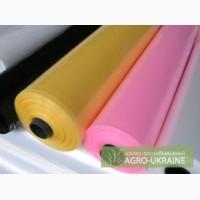
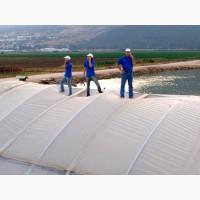
Professional greenhouse film Politiv Israel, Kyiv region.
Region:all of Ukraine,
Kyiv region.
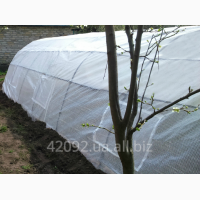
Polyethylene film as a covering for greenhouses, the width is divided into:
• Polyethylene film as a crop protection against weather conditions
(wind, rain, snow, etc.)
• Polyethylene film that helps to control the microclimate
in the greenhouse (light, temperature and humidity)
• "Smart" polyethylene with additional advantages
The main application of a film greenhouse:
• Creating a controlled and uniform microclimate in the greenhouse
regarding the quality of light, temperature and humidity, regardless of the climate.
outside the greenhouse. A controlled climate ensures a higher yield.
• Protection of plants
• Improvement of plant quality and higher yield.
• Increase in the growing season
Influence on the climate in a greenhouse when using a polyethylene film as a coating.
• Illumination: the best control of the percentage and quality of light.
• Temperature: influence on temperature during the day and night.
• UV radiation: control of UV radiation penetrating through the film
The film forPolitiv greenhouses provides the following properties:
• High mechanical characteristics
• Light transmittance (scattering or direct)
• Resistance to UV radiation (determines the durability of the film)
• Thermal effect (to minimize heat loss through
film)
• Anti-condensate/"anti-drop" properties
• Anti-fog
• Anti-virus
• Anti-dust
Light transmission: scattered and direct light:
Scattered light: When using mineral additives in the film, the light is refracted and
spreads in different directions. The transparency of the film is not a criterion.
light transmittance This is determined by the amount of light passing through the film.
Diffuse light is very important in the development of plants.
Diffuse light reduces the shadow and is responsible for a more uniform distribution of light in
daytime Yes, plants can receive more light, outside the PAR spectrum for the upper ones.
leaves, more photosynthesis also occurs in the lower leaves.
Influence of the dispersed world on the growth of culture:
•Light spreads more evenly
•Less risk of UV stress on plants. The plant develops strongly, less.
exposed to diseases
• Smaller absorption of plants outside the PAR spectrum, as a result - more compact.
growth and liberation of the growth area
•Lower temperature in the greenhouse during the day with solar radiation
•Moderate temperatures at night provide a milder climate
• At high temperatures, the fruits ripen not so quickly, but they develop better up to
of high-quality final product
• Without "albino" fruits - correctly colored fruits, thanks to uniform
the distribution of the world. It is not equally good for all cultures. Before that
to choose the type of film, it is necessary to decide what kind of culture will be grown and
to choose between scattered or transparent film, or their combination
The service life of the polyethylene film is determined, including,
by UV radiation
Materials exposed to the influence of sunlight are usually exposed.
rapid petrochemical destruction if they are incorrect
stabilized to UV radiation.
The reason is that UV light has sufficient energy to destroy(//tractor-service.com)
polymer components in the material. Yes, a chain reaction and film begins.
it tears and rubs off more easily.
The resistance of polyethylene to UV radiation is determined by 4 factors:
• Film thickness
•Light transmittance
•Type of polymer
• Use of additives such as UV stabilizer
The combination of these 4 factors protects the polyethylene film from UV radiation.
UV stabilizers
We use UV stabilizers to protect the film. These are additives that
are added to the film during the production process, so that
to increase the service life of the film.
Destruction of the film
Aggressive agrochemistry: sulfur (S) and especially chlorine (Cl) react with co
standard UV stabilizers, which leads to rapid destruction of the film.
(sometimes even for several months).
Symptoms of film destruction
- The film tears and breaks easily due to the loss of strong mechanical properties.
characteristics.
- Reduction of light transmittance, the film becomes cloudy.
Thermal effect: Infrared, IR and long infrared waves LIR (780 nm and higher) are part of the
solar radiation, which causes the greatest heating.
During the day, everything in the greenhouse heats up - soil, structure, plants, etc..
In the evening, when the greenhouse cools down, the absorbed radiation is released by the soil, structure,
plants, etc.
The absorbed radiation is emitted by a part of the IR spectrum, the long IR spectrum (LIR) at
the wavelength is 1000 nm.
Standard polyethylene film transmits more LIR than thermal film.
polyethylene film, therefore, the greenhouse cools down faster.
The thermal effect in the film is achieved when mineral additives are added.
and/or using EVA (Ethylene-vinyl acetate).
More EVA copolymers are used for the transparent film. For scattering
films - more mineral additives.
Theseadditives create a barrier for long infrared waves and prevent
rapid cooling of the greenhouse at night.
EVA is also used in film in cold climates. EVA allows film
remain elastic at low temperatures. EVA also preserves the film.
more clean.
The thermal effect is expressed in the percentage ratio of the quantity.
infrared light, which is lost. The less this percentage is, the better it is.
thermal effect.
The opposite is IR efficiency (the amount of stored infrared). 349
света). Норма для теплового эффекта составляет 20%. Это означает, что пленка
thermal only by 20% loss of infrared light.
Thermal properties are responsible for reducing heat losses at night.
More infrared light will be absorbed, which will increase the thermal effect.
Anti-condensate/anti-drip properties: Condensate drops block the light intended for plants. Water drops
act as a mirror, reflecting light.
When adding AC additives, condensate does not form in drops on the film, and also
allows water to flow in a thin layer, which can be collected in a gutter.
AC additives slowly leave the film. Functionality is gradually reduced by
throughout the year. At high humidity, AC additives are removed faster. In the cold
more slow evaporation occurs in the climate.
Politiv has developed special AC additives for cold and warm climates.
The warranty on anti-condensate additives varies from 18 to 36 months.
• Polyethylene film as a crop protection against weather conditions
(wind, rain, snow, etc.)
• Polyethylene film that helps to control the microclimate
in the greenhouse (light, temperature and humidity)
• "Smart" polyethylene with additional advantages
The main application of a film greenhouse:
• Creating a controlled and uniform microclimate in the greenhouse
regarding the quality of light, temperature and humidity, regardless of the climate.
outside the greenhouse. A controlled climate ensures a higher yield.
• Protection of plants
• Improvement of plant quality and higher yield.
• Increase in the growing season
Influence on the climate in a greenhouse when using a polyethylene film as a coating.
• Illumination: the best control of the percentage and quality of light.
• Temperature: influence on temperature during the day and night.
• UV radiation: control of UV radiation penetrating through the film
The film forPolitiv greenhouses provides the following properties:
• High mechanical characteristics
• Light transmittance (scattering or direct)
• Resistance to UV radiation (determines the durability of the film)
• Thermal effect (to minimize heat loss through
film)
• Anti-condensate/"anti-drop" properties
• Anti-fog
• Anti-virus
• Anti-dust
Light transmission: scattered and direct light:
Scattered light: When using mineral additives in the film, the light is refracted and
spreads in different directions. The transparency of the film is not a criterion.
light transmittance This is determined by the amount of light passing through the film.
Diffuse light is very important in the development of plants.
Diffuse light reduces the shadow and is responsible for a more uniform distribution of light in
daytime Yes, plants can receive more light, outside the PAR spectrum for the upper ones.
leaves, more photosynthesis also occurs in the lower leaves.
Influence of the dispersed world on the growth of culture:
•Light spreads more evenly
•Less risk of UV stress on plants. The plant develops strongly, less.
exposed to diseases
• Smaller absorption of plants outside the PAR spectrum, as a result - more compact.
growth and liberation of the growth area
•Lower temperature in the greenhouse during the day with solar radiation
•Moderate temperatures at night provide a milder climate
• At high temperatures, the fruits ripen not so quickly, but they develop better up to
of high-quality final product
• Without "albino" fruits - correctly colored fruits, thanks to uniform
the distribution of the world. It is not equally good for all cultures. Before that
to choose the type of film, it is necessary to decide what kind of culture will be grown and
to choose between scattered or transparent film, or their combination
The service life of the polyethylene film is determined, including,
by UV radiation
Materials exposed to the influence of sunlight are usually exposed.
rapid petrochemical destruction if they are incorrect
stabilized to UV radiation.
The reason is that UV light has sufficient energy to destroy(//tractor-service.com)
polymer components in the material. Yes, a chain reaction and film begins.
it tears and rubs off more easily.
The resistance of polyethylene to UV radiation is determined by 4 factors:
• Film thickness
•Light transmittance
•Type of polymer
• Use of additives such as UV stabilizer
The combination of these 4 factors protects the polyethylene film from UV radiation.
UV stabilizers
We use UV stabilizers to protect the film. These are additives that
are added to the film during the production process, so that
to increase the service life of the film.
Destruction of the film
Aggressive agrochemistry: sulfur (S) and especially chlorine (Cl) react with co
standard UV stabilizers, which leads to rapid destruction of the film.
(sometimes even for several months).
Symptoms of film destruction
- The film tears and breaks easily due to the loss of strong mechanical properties.
characteristics.
- Reduction of light transmittance, the film becomes cloudy.
Thermal effect: Infrared, IR and long infrared waves LIR (780 nm and higher) are part of the
solar radiation, which causes the greatest heating.
During the day, everything in the greenhouse heats up - soil, structure, plants, etc..
In the evening, when the greenhouse cools down, the absorbed radiation is released by the soil, structure,
plants, etc.
The absorbed radiation is emitted by a part of the IR spectrum, the long IR spectrum (LIR) at
the wavelength is 1000 nm.
Standard polyethylene film transmits more LIR than thermal film.
polyethylene film, therefore, the greenhouse cools down faster.
The thermal effect in the film is achieved when mineral additives are added.
and/or using EVA (Ethylene-vinyl acetate).
More EVA copolymers are used for the transparent film. For scattering
films - more mineral additives.
Theseadditives create a barrier for long infrared waves and prevent
rapid cooling of the greenhouse at night.
EVA is also used in film in cold climates. EVA allows film
remain elastic at low temperatures. EVA also preserves the film.
more clean.
The thermal effect is expressed in the percentage ratio of the quantity.
infrared light, which is lost. The less this percentage is, the better it is.
thermal effect.
The opposite is IR efficiency (the amount of stored infrared). 349
света). Норма для теплового эффекта составляет 20%. Это означает, что пленка
thermal only by 20% loss of infrared light.
Thermal properties are responsible for reducing heat losses at night.
More infrared light will be absorbed, which will increase the thermal effect.
Anti-condensate/anti-drip properties: Condensate drops block the light intended for plants. Water drops
act as a mirror, reflecting light.
When adding AC additives, condensate does not form in drops on the film, and also
allows water to flow in a thin layer, which can be collected in a gutter.
AC additives slowly leave the film. Functionality is gradually reduced by
throughout the year. At high humidity, AC additives are removed faster. In the cold
more slow evaporation occurs in the climate.
Politiv has developed special AC additives for cold and warm climates.
The warranty on anti-condensate additives varies from 18 to 36 months.
Advertisement ID: #1156857
(added by a registered user)
Permanent ad address:
Showed / watched for today: ?, total: ?
Similar fresh ads
Among them there are many interesting...


All Ukraine: Selkhoztehnika, oborudovanie, inventory 45640 / Agricultural equipment, inventory 1555 / Teplychnaya film 114
Kyiv region: Agricultural equipment, equipment, inventory 4273 / Agricultural equipment, inventory 119 / Greenhouse film 6