For sale / buy
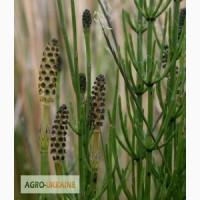
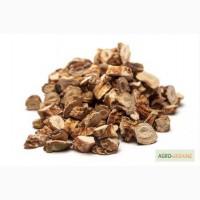
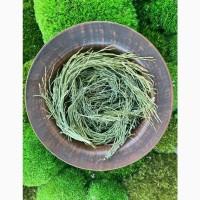
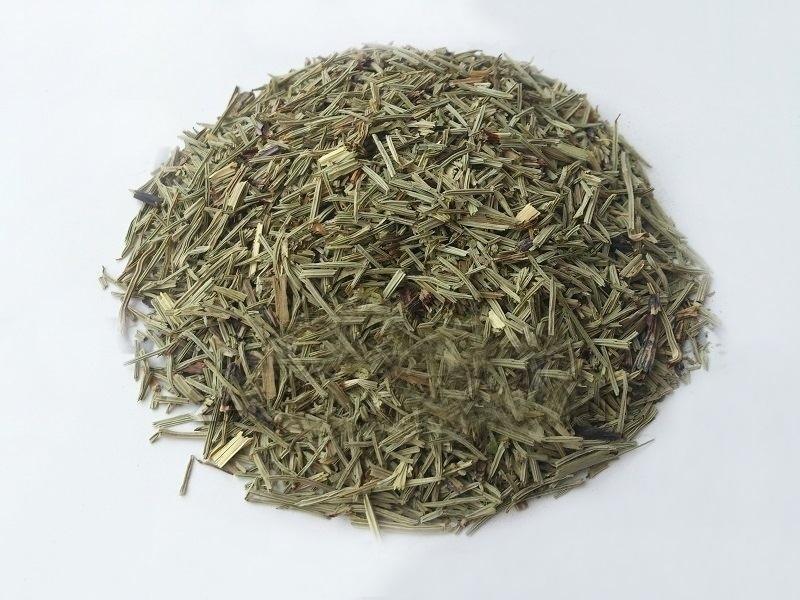
Field horsetail (herb) 1kg, Kharkov region.
Region:all Ukraine,
Kharkiv region.
(Kharkiv)
Updated:
The horsetail herb has proven itself as an excellent remedy against various skin diseases: acne, rashes, abscesses, eczema, ulcers, ringworm, furunculosis, purulent wounds, and dermatitis and seborrhea. In addition, this plant helps with urolithiasis, cystitis, urethritis and other inflammatory diseases of the bladder and urinary tract.Horse is treated with horsetail dropsy, edema, and congestion due to circulatory insufficiency, heart disease, rheumatism, and gout. It also helps with pleurisy, bronchitis, pulmonary tuberculosis, jaundice and liver diseases. With the help of horsetail grass, they stop bleeding of the most varied nature, get rid of stomatitis and other inflamed mucous membranes of the oral cavity. Also, the number of ailments that can be treated with this remedy include hemorrhoids, dysentery, diarrhea, atherosclerosis, and increased sweating. In addition, preparations based on horsetail help to remove excess lead from the body. First of all, generative shoots of horsetail are used. In some cases, they are used for food, the root system helps in dyeing textiles, and preparations based on grass are used to treat other, decorative plants, as well as animals. Generative shoots are also used in folk and official medicine. They have strong diuretic, anti-inflammatory and hemostatic properties. Also,horsetail has a detoxification effect, especially when the body is poisoned with lead. Horsetail grass contains ascorbic acid, flavonoids, carotene, fats, nicotine, saponins, silicic, malic, aconitic, and oxalic acids. It also contains bitter, tannic and resinous substances, mineral salts, polystyrene, potassium, magnesium, calcium, manganese.
|
Author, contacts | |
Юлия / reviews, info./ evaluation activities | |
|
Telephone:
+38(xxxxxx
show
| |
| Viber: 380672594366 | |
All ads of the user ~209 | |
Ad ID: #1115849
(added by a registered user, registration date: 04-30-2021)
Added / Updated: 09-11-2025 15:09 (relevant, until: 11-09-2026)
Permanent ad address:
Showed / watched for today: ?, total: ?