For sale / buy
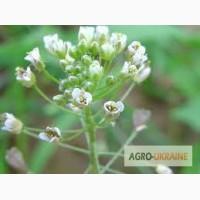
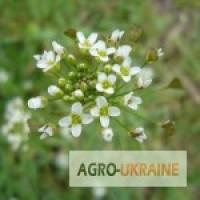
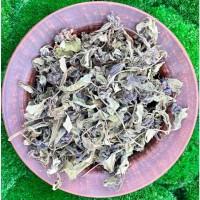
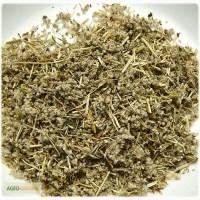
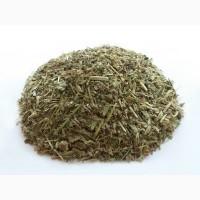
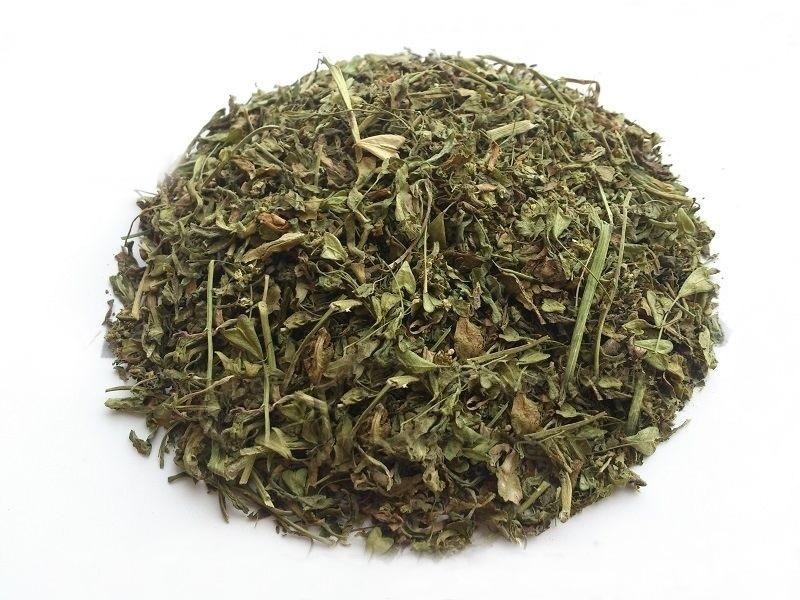
Shepherd's bag (grass) 1kg, Kharkiv region.
Region:all of Ukraine,
Kharkov region.
(Kharkiv)
Updated:
As a medicine, shepherd's purse has been used since the times of Ancient Greece; In the Middle Ages, the main use of this herb was to stop bleeding, including liver, uterine and pulmonary bleeding. It also successfully cures diseases of the kidneys and liver, stones in the kidneys and gall bladder, inflammation of the kidneys and bladder, as well as cholecystitis, gastritis, diarrhea, stomach ulcer, typhoid and colitis. The same tool is used in the treatment of high blood pressure, metabolic disorders, tuberculosis, joint diseases and skin diseases. Shepherd's purse is also used in the treatment of uterine atony. Different parts of this herb contain a substantial amount of vitamins, so they are used in cooking to prepare soups, salads, fillings for baking and some other dishes. Also, the plant is a good honey bearer, however, it is used quite rarely due to the presence of more suitable competitors. In medicine,shepherd's bag is known, first of all, as a hemostatic agent used for internal and external bleeding. In addition, there are a large number of diseases in which the use of marsupial preparations is considered effective. The aerial part of the plant contains hyssopine rhamnoglycoside, tannins, fumaric, ascorbic, citric, malic, tartaric and some other acids, choline, acetylcholine, carotene and a large number of vitamins.
|
Author, contacts | |
Юлия / отзывы, информация./ activity evaluation | |
|
Phone:
+38(xxxxxx
show
| |
| Viber: 380672594366 | |
All ads of the user ~206 | |
Ad ID: #1115706
(added by a registered user, registration date: 04-30-2021)
Added / Updated: 09-02-2026 18:42 (relevant, until: 02-09-2027)
Permanent ad address:
Showed / watched for today: ?, total: ?