For sale / buy
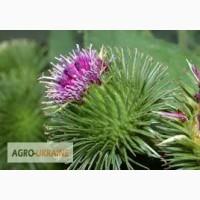
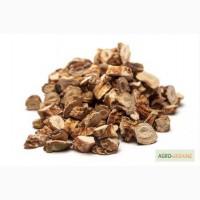
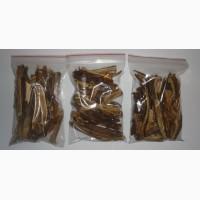
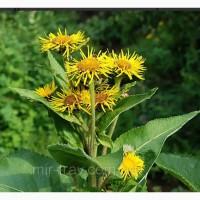
Burdock (root) 1kg, Kharkiv region.
Region:all Ukraine,
Kharkov region.
(Kharkiv)
Updated:
In folk medicine, burdock root is known as a mild laxative, choleretic and diuretic. It is also used for kidney stones, edema, diabetes, inflamed mucous membranes of the genital organs, and some venereal diseases. In addition, it helps with gout, joint pain, eczema, furunculosis, dropsy and hemorrhoids. For the treatment of every itch in case of dermatitis, the treatment of gastritis and stomach ulcers. In the form of burdock oiloil strengthens hair. In traditional medicine, the roots, leaves, and fruits of plants of the first year of life are used. Burdock roots are dug in autumn, washed with cold water, cut into pieces 10-15 cm long, dried in the sun or in warm rooms. Leaves are collected without petioles after the plant has flowered, dried in the shade. Burdock roots contain tannic and bitter substances, mucus, fattyoil, inulin, flavonoids sitosterol and stigmasterol, essential oil, organic acids (caffeic, citric, malic), glycoside, which is split into lactone and glucose during hydrolysis. The leaves contain flavonoids, anthocyanins: organic acids, essential oil, tannins, mucilage, ascorbic acid, fruits — arctiin glycoside, sesquiterpene lactones, and fatty oil. Methods of application. Crushed, fresh burdock leaves are applied to wounds, hard tumors, and gouty nodes. Wounds and skin cancer are treated with fresh juice from the leaves. The curative and preventive diet includes salads made from young burdock leaves and leaves peeled from petioles. Young burdock leaves are put in borscht, and the root is eaten baked or fried, using it as a substitute for potatoes. Burdock root is used as a substitute for coffee.заменитель картофеля. Употребляют корень лопуха и как суррогат кофе.
|
Author, contacts | |
Julia/ отзывы, INFO. / activity evaluation | |
|
Phone:
+38(xxxxxx
show
| |
| Viber: 380672594366 | |
All user ads ~206 | |
Ad ID: #1115667
(added by a registered user, registration date: 04-30-2021)
Added / Updated: 09-02-2026 18:42 (current, until: 02-09-2027)
Permanent ad address:
Showed / watched for today: ?, total: ?
Similar ads
There are many interesting ones among them...